Award-Winning AP Chemistry Tutors
serving St. Louis, MO
AP Chemistry
Tutors in St. Louis
Private 1-on-1 tutoring, weekly live classes for academic support, test prep & enrichment, practice tests and diagnostics, and more to elevate grades and test scores.
Based on 3.4M Learner Ratings
UniversitiesSchools & Universities
DeliveredHours Delivered
ProficiencyGrowth in Proficiency
Who needs tutoring?
No obligation. Takes ~1 minute.

I'm a current undergraduate student at the University of Pennsylvania working towards my Bachelor of Science in Engineering for Mechanical Engineering and Applied Mechanics. I value education and have tutored my peers and underprivileged kids with ADHD, dysgraphia, and autism in the STEM-E Youth Development organization. I have experience tutoring in math (Kindergarten - MVC), science, and English, and I am most passionate with drafting/3D modeling and helping students prepare for college through college admissions consulting and standardized test prep (mainly the math portions). I believe everyone can learn anything if they have the right attitude and good instructors, and with this motto, I strive to ensure that my students will leave each lesson understanding the content we cover and excited to learn more.
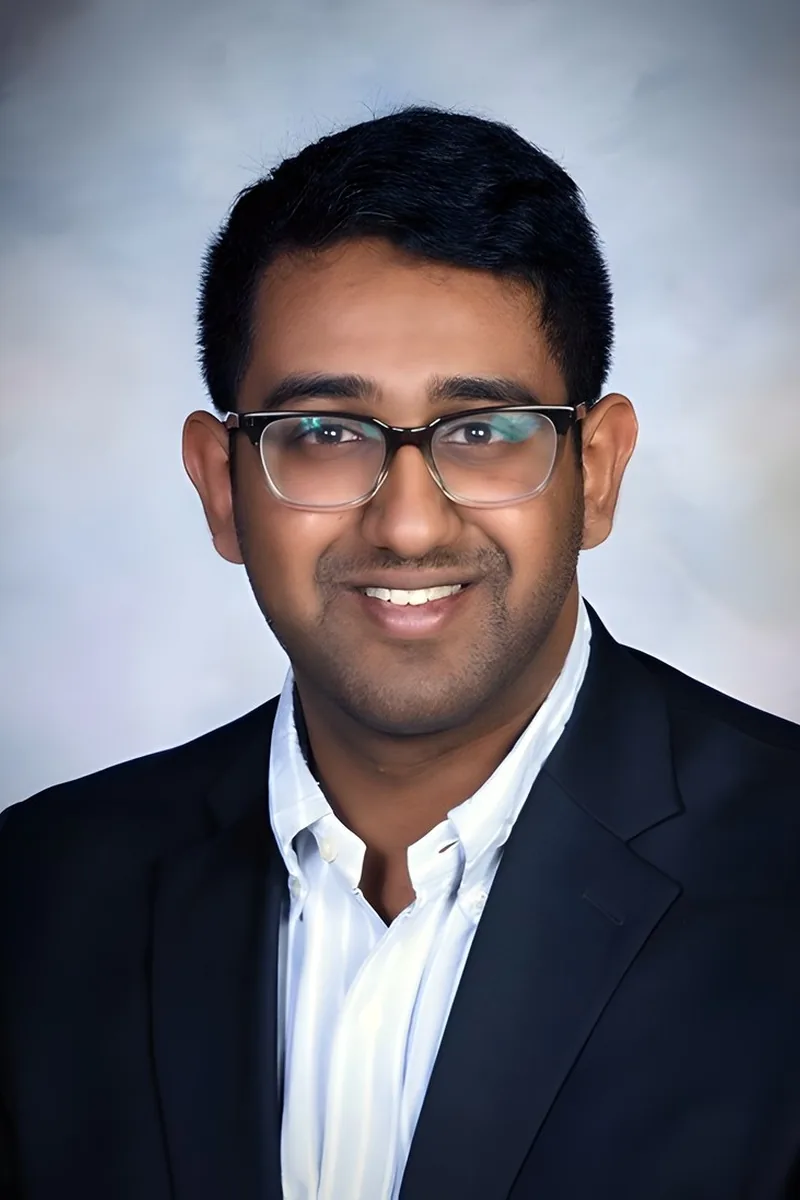
Cornell's chemical engineering program put Rahul through physical chemistry, thermodynamics, and reaction engineering courses where AP Chemistry concepts like enthalpy, equilibrium, and kinetics were just the starting point — so he can teach those topics with the depth that makes free-response questions feel manageable. He's especially sharp on thermochemistry, his self-described favorite, and connects energy diagrams and Hess's law to the industrial-scale processes he studied as an engineer. Rated 4.9 by students.
AP Chemistry's jump from memorizing periodic trends to applying thermodynamics and equilibrium concepts trips up a lot of students. Eric's engineering coursework at Duke required mastering these same principles — reaction kinetics, enthalpy calculations, electrochemistry — and he teaches them with the quantitative rigor the AP exam demands. Rated 5.0 by students.
Thermodynamics, equilibrium, and electrochemistry tend to be the units where AP Chemistry students hit a wall — the math gets heavier and the conceptual leaps get bigger. Amanda tackles these topics by connecting abstract chemical principles to biological systems she knows deeply from her medical training, which makes ideas like Gibbs free energy or Le Chatelier's principle feel less arbitrary. Rated 4.7 by students.
Cornell's Chemistry & Chemical Biology program meant Samantha spent years doing the kind of lab work and quantitative problem-solving that AP Chemistry's free-response section is designed to test — from designing experiments around reaction stoichiometry to interpreting spectroscopic data. She's a deeply visual teacher who uses molecular models and diagrams to make abstract ideas like orbital hybridization and intermolecular forces click, especially for students who struggle when the textbook stays purely symbolic. Rated 5.0 by students.
Georgia Tech's chemical engineering curriculum threw Aimee into college-level thermodynamics, kinetics, and reaction engineering years before most students encounter those ideas — which means she can teach AP Chemistry's toughest conceptual leaps, like connecting enthalpy diagrams to spontaneity or interpreting rate law data, from genuine fluency rather than textbook familiarity. Her 4.9 rating and experience as a teaching assistant show she can translate that depth into clear, patient explanations when a student is stuck on a free-response problem at 9 p.m. the night before the exam.
Equilibrium, thermodynamics, and reaction kinetics aren't abstract concepts for Kristen — they were daily tools in her chemical-biological engineering coursework. She teaches AP Chemistry by connecting each unit back to underlying principles, so students can reason through unfamiliar free-response questions instead of relying on memorized shortcuts. Rated 4.9 by students.
Raveena's bioinformatics degree at VCU means she doesn't just know AP Chemistry's content — she applies it daily, using computational tools to analyze molecular structures and chemical data in ways that make topics like electron configuration and periodic trends feel concrete. Her 8-year direct med program has taken her well beyond the AP curriculum through organic chemistry and biochemistry, giving her a clear picture of which foundational concepts the free-response section rewards most. Rated 4.9 by students.
Pratik's strongest subject is chemistry, and it shows — he tutors it at both the high school and college level from his home base as a premed biology major at Cornell. He digs into the conceptual logic behind equilibrium, thermodynamics, and electrochemistry so that students can reason through unfamiliar free-response prompts instead of relying on memorized shortcuts.
AP Chemistry's toughest problems — multi-step equilibrium calculations, thermodynamic predictions, electrochemistry — demand the kind of quantitative fluency that comes naturally to a physics major. Nima walks through these concepts by building from first principles, connecting Le Chatelier's principle or Gibbs free energy to the underlying logic rather than a memorized rule set. His 1580 SAT speaks to the precision he brings to problem-solving.
The jump from regular chemistry to AP Chemistry usually hits hardest around equilibrium, thermodynamics, and electrochemistry, where problems demand both quantitative precision and conceptual reasoning. Rebecca pairs her biology degree's deep chemistry coursework with a knack for walking through multi-step free-response questions so students learn to show their thinking clearly under exam pressure.
The jump from honors chemistry to AP Chemistry catches students off guard because suddenly they need to explain *why* — why equilibrium shifts, why certain reactions are spontaneous, why atomic structure dictates bonding behavior. Cassandra tackles these conceptual layers by tying each unit back to the underlying thermodynamic and kinetic principles, so students aren't just memorizing trends but understanding the logic that drives them. Her science degree and experience with analytical chemistry give her depth well beyond the AP curriculum.
A PhD student at UT Southwestern with a Master's in Biotechnology from Johns Hopkins and a biochemistry degree from SMU, Pauline has lived the full chemistry pipeline — from general chem through organic and into the graduate-level biochemistry that AP Chemistry is preparing students for. She zeroes in on the conceptual leaps that cause the most trouble, like connecting Le Chatelier's principle to actual equilibrium math or translating Lewis structures into predictions about molecular polarity. Her experience tutoring across Algebra, Chemistry, and Organic Chemistry means she can catch when a student's real gap is mathematical rather than conceptual — and fix both.
Testimonials
Because the right AP Chemistry tutor makes all the difference.
Average Session Rating – Based on 3.4M Learner Ratings
Practice AP Chemistry
Free practice tests, flashcards, and AI tutoring for AP Chemistry
Nearby AP Chemistry Tutors
Other St. Louis Tutors
Related Science Tutors in St. Louis
Frequently Asked Questions
Your first session is an opportunity to assess your current understanding of chemistry concepts and identify specific areas where you need support—whether that's thermodynamics, equilibrium, kinetics, or exam strategy. The tutor will discuss your goals (improving your overall grade, targeting a specific AP score, or mastering particular units), review your class materials, and create a personalized plan tailored to your learning style and timeline before the exam.
Score improvement depends on your starting point, consistency with tutoring, and how much time you dedicate to practice. Students who work with a tutor typically see gains by strengthening weak content areas, learning efficient problem-solving strategies, and building confidence with the exam format. Most students benefit significantly from focused preparation over 8-12 weeks, especially when combining tutoring with regular practice tests and review.
Many students struggle with the math-heavy aspects of stoichiometry and equilibrium calculations, conceptual understanding of atomic structure and bonding, and managing time during the multiple-choice section. Additionally, the free-response questions require clear communication of lab procedures and chemical reasoning, which is different from just knowing the content. A tutor can help you break down these challenging topics and develop strategies for explaining your thinking clearly on exam day.
Practice tests are essential—they help you understand the exam's pacing, question formats, and the types of problems you'll encounter on test day. Taking full-length practice tests under timed conditions also reveals which content areas need more review and helps reduce test anxiety. A tutor can review your practice test results with you, identify patterns in mistakes, and adjust your study plan accordingly to maximize your score.
Look for tutors with strong chemistry backgrounds—ideally those who have taught AP Chemistry, scored well on the AP exam themselves, or have advanced chemistry education. They should understand both the content deeply and the specific demands of the AP exam, including how to approach free-response questions and manage time during the multiple-choice section. Varsity Tutors connects you with expert tutors who have proven experience helping students succeed in AP Chemistry.
A solid approach is to start with tutoring 1-2 times per week several months before the exam, focusing on challenging units and building foundational understanding. As exam day approaches, increase frequency to 2-3 sessions weekly and shift focus toward practice tests, timing strategies, and free-response question techniques. Between sessions, dedicate time to problem sets and review notes—tutoring works best when combined with consistent independent study.
Test anxiety often stems from feeling unprepared or uncertain about question formats. Working with a tutor builds confidence through repeated exposure to AP-style questions, mastery of problem-solving strategies, and practice under timed conditions. Your tutor can also teach you breathing techniques and mental strategies for staying calm during the exam, and help you develop a personalized test-day approach that plays to your strengths.
With 40 schools across 9 districts in the St. Louis area, students have access to different AP Chemistry curricula and pacing. Varsity Tutors connects you with tutors familiar with the St. Louis area's schools and their specific approaches to AP Chemistry, ensuring your tutoring aligns with what your teacher emphasizes. Whether you're at a competitive prep school or a public high school, personalized tutoring can bridge any gaps and help you reach your target score.
Let’s find your perfect tutor
Answer a few quick questions. We’ll recommend the right plan and match you with a top 5% tutor.