Award-Winning AP Chinese Language and Culture Tutors
serving St. Louis, MO
AP Chinese Language and Culture
Tutors in St. Louis
Private 1-on-1 tutoring, weekly live classes for academic support, test prep & enrichment, practice tests and diagnostics, and more to elevate grades and test scores.
Based on 3.4M Learner Ratings
UniversitiesSchools & Universities
DeliveredHours Delivered
ProficiencyGrowth in Proficiency
Who needs tutoring?
No obligation. Takes ~1 minute.

After a decade teaching middle schoolers in a Chinese immersion school in California, Ruth knows exactly where students' spoken Mandarin starts to buckle under the pressure of timed AP tasks — especially the presentational speaking prompts that demand formal structure and clear tonal precision on the fly. She also taught History and Theater entirely in Chinese, which means her students get exposure to the kind of cross-disciplinary cultural vocabulary that the exam's reading and listening passages actually test. Rated 5.0 by students.
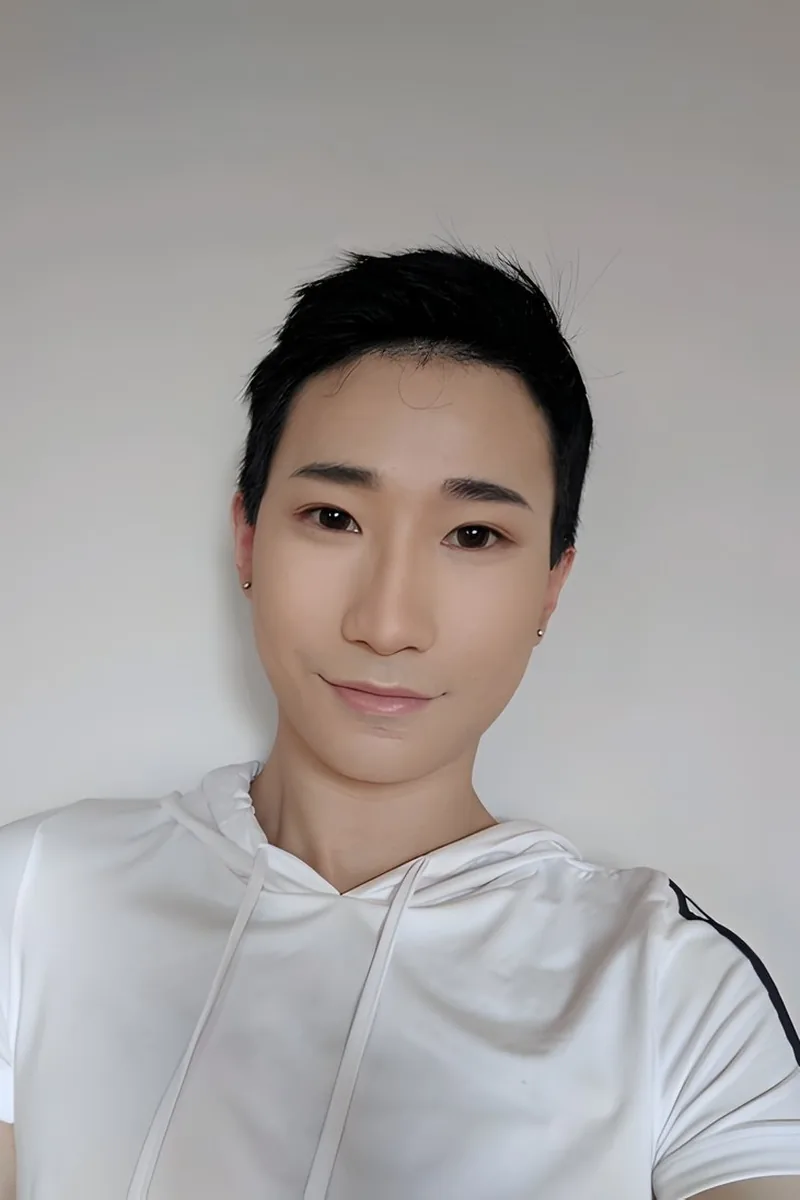
The culture component of AP Chinese Language and Culture is where many students lose points — understanding idioms, social registers, and cultural practices well enough to respond authentically under timed conditions. Jiahao's graduate training in interpretation at Beijing Foreign Studies University was built around exactly this kind of cross-cultural fluency, and he brings that depth to every practice prompt and free-response drill.
The AP Chinese exam's cultural comparison essays reward students who can draw on genuine cross-cultural experience — and as a Mandarin Chinese speaker studying at the University of Minnesota, Amy lives that dual perspective daily. She also teaches across multiple Mandarin levels, so she can identify gaps in a student's formal written register or listening comprehension and target those specific weaknesses before exam day.
Minoring in Chinese at Northeastern while pursuing a pharmacy degree, Amy uses the language daily in academic contexts — reading research, discussing coursework — which builds the kind of formal register fluency the AP Chinese exam's interpretive reading and presentational writing sections actually test. Her 4.9 rating from students reflects a knack for breaking complex characters and grammatical structures into manageable patterns, and she draws on her own experience as a heritage learner to bridge gaps between conversational Mandarin and the academic-level precision the exam demands.
Eileen scored well enough on the SAT Subject Test in Chinese with Listening to understand both the language mechanics and the test strategy behind AP Chinese. She tackles the interpersonal and presentational communication tasks by drilling real conversational patterns and teaching students how to structure spoken and written responses under timed conditions.
With an economics degree and fluency across four levels of Mandarin Chinese, Alexander brings a practical, content-rich angle to AP Chinese prep — particularly the interpretive listening passages, where students need to process real-world topics like trade, policy, and social trends discussed in rapid, formal Mandarin. He also tackles the exam's cultural comparison essays by drawing on his cross-cultural academic background to teach students how to move beyond surface-level observations and anchor their responses in specific, substantive examples.
The AP Chinese Language and Culture exam tests more than vocabulary — it demands cultural literacy, formal writing conventions, and the ability to switch between interpersonal and presentational communication on the spot. May is a native speaker who has taught Mandarin at multiple levels and understands how to bridge the gap between conversational fluency and the precise, structured responses the exam rewards.
Most AP Chinese prep zeroes in on language mechanics, but the exam's interpersonal speaking prompts also reward the kind of natural conversational flow that comes from genuine cultural immersion — something Yuyi brings as a native Mandarin speaker who also studied English and psychology at the university level. That dual-language academic background makes her especially effective at coaching students through the interpretive reading section, where parsing formal written Mandarin requires more than character recognition.
Barry grew up in China, took the AP Chinese Language and Culture exam himself, and spent years tutoring Chinese 4 students in high school. He knows exactly where the exam tests cultural nuance — from interpreting idiomatic expressions to navigating the presentational writing and speaking prompts — and prepares students for those specific demands.
Ten years teaching Mandarin in public schools — from absolute beginners through AP — means Paulkey has watched hundreds of students hit the same walls on the AP Chinese exam, especially the interpersonal response tasks where students freeze up trying to produce spontaneous, culturally appropriate Mandarin in real time. He pairs that classroom experience with a computer science background that makes his prep unusually structured: timed drills, systematic vocabulary review, and targeted practice on the listening comprehension passages that reward quick processing over perfect translation.
The AP Chinese Language and Culture exam tests far more than vocabulary — it demands cultural fluency, the ability to compare perspectives, and comfort producing spoken and written Mandarin under timed pressure. Hannah holds a master's degree in Chinese Studies and is fully fluent in reading, writing, and spoken Mandarin, so she can prepare students for every section of the exam with real cultural context behind each response.
The AP Chinese Language and Culture exam tests listening, reading, speaking, and writing in a single sitting, which means students need more than vocabulary drills — they need fluency under pressure. Nova's real-world Mandarin teaching experience and her SAT Subject Test preparation in Chinese with Listening give her a sharp sense of where American-educated students typically lose points. She zeroes in on the story narration and cultural comparison sections that carry heavy weight on exam day.
As a native Mandarin speaker who taught a beginning Chinese course at the Wheeler School in Providence, Jennifer knows exactly where English-speaking learners stumble — tonal accuracy, measure words, and the leap from textbook dialogue to real conversation. She covers all four AP exam skills (interpersonal and presentational speaking, listening, and reading) with particular attention to the cultural comparison essay, where strong structure can make or break a score.
Testimonials
Because the right AP Chinese Language and Culture tutor makes all the difference.
Average Session Rating – Based on 3.4M Learner Ratings
Nearby AP Chinese Language and Culture Tutors
Other St. Louis Tutors
Related Languages Tutors in St. Louis
Frequently Asked Questions
The AP Chinese Language and Culture exam tests proficiency across listening, reading, writing, and speaking skills, with an emphasis on cultural understanding. The exam includes multiple-choice sections for listening and reading comprehension, a free-response writing section, and a speaking component where you'll participate in conversations and deliver cultural presentations. Success requires not just language mechanics, but also familiarity with Chinese-speaking cultures and the ability to communicate authentically across different contexts.
AP Chinese is considered one of the more challenging AP exams because it requires sustained language learning—typically 3-4 years of study—and cultural competency that goes beyond memorizing facts. Unlike content-based AP courses, Chinese demands continuous skill development across four language domains (listening, reading, writing, speaking) simultaneously. However, students who have studied Chinese consistently and engage with authentic cultural materials often find the exam rewarding, and personalized tutoring can help you identify specific weak areas and develop targeted strategies for improvement.
The speaking section tests your ability to communicate, not perfect pronunciation—examiners expect some accent and are trained to focus on comprehensibility and fluency. The best preparation involves regular practice with authentic audio (news, podcasts, films) and speaking consistently, even if it's just recording yourself and reviewing. Tutors can provide real-time feedback on your tones, pacing, and clarity, helping you build confidence through repeated practice in a low-pressure environment before test day.
Effective reading strategies include identifying key vocabulary before diving into passages, recognizing common grammatical patterns, and practicing skimming for main ideas rather than translating every character. The AP Chinese reading section often includes cultural nuance and idioms, so exposure to diverse authentic texts—news articles, literary excerpts, advertisements—builds both vocabulary and cultural context. Tutors can teach you how to manage the time pressure by prioritizing question types and showing you how to eliminate incorrect answers efficiently.
Score improvement depends on your starting point and how consistently you practice. Students who work with tutors typically see meaningful gains by focusing on their weakest skill area—whether that's listening comprehension, writing accuracy, or speaking fluency—rather than spreading effort too thin. With 2-3 months of focused preparation and regular practice, many students improve by 1-2 score points, though the timeline varies based on your current proficiency level and how much you practice between sessions.
Aim to take full-length practice tests every 2-3 weeks starting about 8-10 weeks before the exam, then increase frequency to weekly in the final month. Practice tests serve two purposes: they help you build stamina for the full exam format and identify which sections need the most attention. After each practice test, review mistakes carefully—especially listening and reading errors—to spot patterns in what you're missing, and use those insights to guide your study focus with a tutor.
Look for tutors who have native or near-native fluency in Mandarin Chinese, ideally with experience teaching AP Chinese or similar proficiency exams. They should understand the specific demands of the AP exam format—including the cultural component—and be able to diagnose which of the four language skills needs the most work. Experience with St. Louis students and familiarity with how different high schools approach AP Chinese preparation can also be valuable.
Ideally, start focused AP exam preparation 8-12 weeks before the May test date, though this assumes you've already completed 3+ years of Chinese language study. If you're earlier in your language journey or feel less confident, starting earlier gives you more time to build foundational skills and cultural knowledge. Tutors can assess your current level and create a customized prep plan that targets your specific needs, whether that's intensive work on listening comprehension or refining your writing accuracy.
Let’s find your perfect tutor
Answer a few quick questions. We’ll recommend the right plan and match you with a top 5% tutor.