Award-Winning AP Latin Tutors
serving St. Louis, MO
AP Latin
Tutors in St. Louis
Private 1-on-1 tutoring, weekly live classes for academic support, test prep & enrichment, practice tests and diagnostics, and more to elevate grades and test scores.
Based on 3.4M Learner Ratings
UniversitiesSchools & Universities
DeliveredHours Delivered
ProficiencyGrowth in Proficiency
Who needs tutoring?
No obligation. Takes ~1 minute.

A computer science PhD candidate with a bachelor's in applied mathematics might seem like an unusual pick for AP Latin, but Daniel's formal training in Latin through multiple levels gives him genuine facility with the language — and his mathematical mindset turns complex syntax into logical puzzles, breaking periodic sentences into dependency trees the way a programmer would parse nested functions. He's especially effective on the grammar-intensive portions of the exam, where systematic pattern recognition matters more than literary intuition. Rated 5.0 by students.
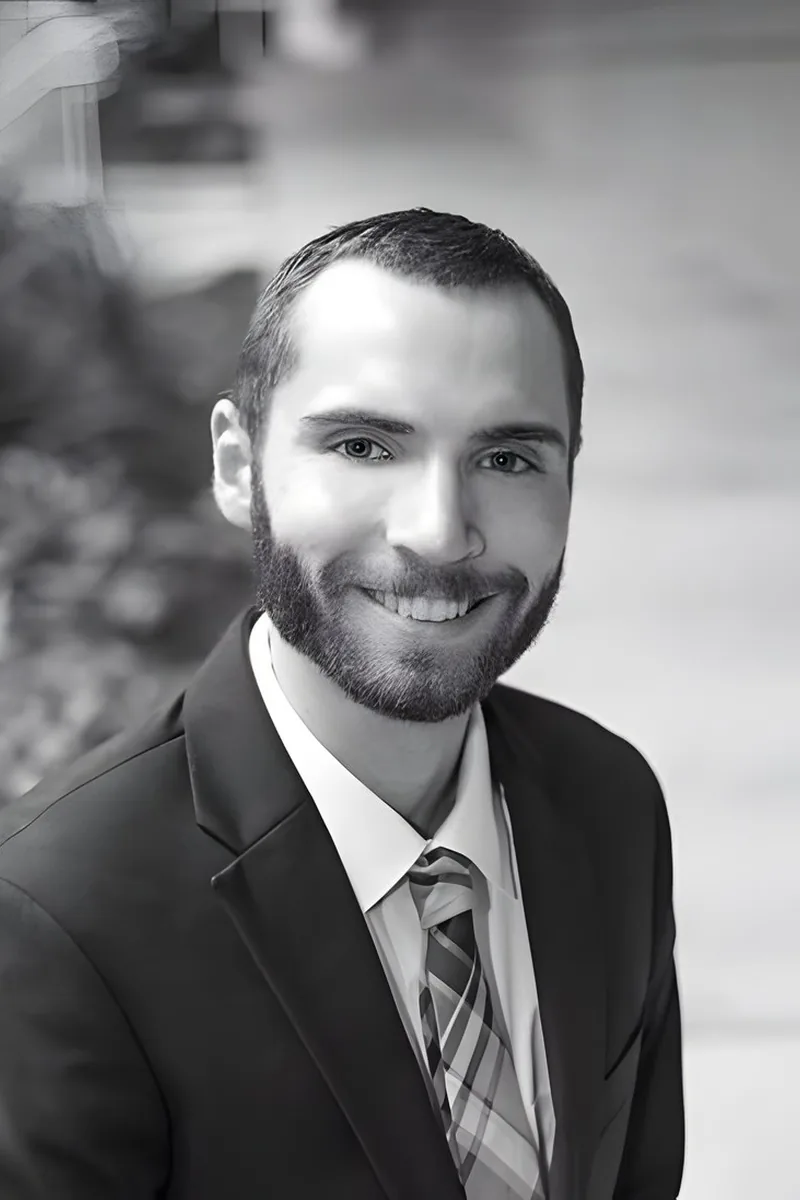
Wyatt's Classics degree means he didn't just dabble in Latin — he built his entire undergraduate education around the ancient world, reading the same Vergil and Caesar passages that dominate the AP exam as part of his daily coursework. That deep textual familiarity pays off when students need to quickly identify how an ablative absolute or a fear clause functions in a real passage rather than a textbook exercise. Rated 5.0 by students.
Studying at Yale with Latin on his transcript and an SAT score of 1500, Stephen brings sharp reading comprehension instincts to the AP Latin texts — skills that transfer directly to unpacking Caesar's dense periodic sentences and Vergil's hyperbatic word order. His psychology background also gives him an edge when coaching students through the essay prompts, since analyzing an author's intent to persuade or evoke emotion is as much about understanding human motivation as it is about grammar.
Katherine's psychology major gives her an unusual angle on the AP Latin essays — when students need to analyze how Vergil manipulates emotion or how Caesar constructs persuasive narratives, understanding human motivation becomes a genuine asset. She's studied Latin and brings that foundation to translation work, though her real strength is coaching the free-response section where rhetorical analysis and clear argumentative writing determine the score.
Majoring in both French/Francophone Studies and Linguistics at William & Mary, Tristan brings a linguist's eye to Latin — the kind of cross-language structural awareness that makes it easier to explain why Vergil inverts word order for emphasis or how Caesar's subjunctive clauses signal intent. He's completed Latin through the advanced level and scored a 1590 SAT, reflecting the close-reading precision that pays off on both translation and free-response sections. Rated 5.0 by students.
While Latin isn't John's primary teaching area, his English and drama training sharpens the close-reading and rhetorical analysis skills that AP Latin's essay and free-response sections demand — particularly when students need to discuss how Vergil or Caesar construct persuasive or dramatic moments in their texts. His experience with literature and writing gives him a practical angle on the interpretive side of the exam.
A Classics degree means Leslie didn't just take Latin — she built her entire undergraduate education around the ancient world, reading the same Vergil and Caesar passages that AP students face on exam day. Her coursework through Latin 4 and AP-level material gives her the grammatical depth to walk through tricky constructions like ablative absolutes and purpose clauses, while her 4.9 rating speaks to how well that knowledge translates into actual tutoring sessions.
Grace lists AP Latin among her subjects and has studied the language, but her strongest academic foundation is in political science and government — so she's at her best coaching the essay and analytical portions of the exam, where students need to argue how Caesar or Vergil uses rhetoric and structure to achieve a purpose. Her 1570 SAT reflects the close-reading precision that transfers well to unpacking Latin passages under timed conditions.
Having studied Latin through the advanced level and across multiple classical languages, Jamie uses a comprehensible input approach that treats Vergil and Caesar not as decoding exercises but as stories — building the kind of reading fluency that lets students handle sight passages and literary analysis questions without freezing up. A master's in Special Education also means Jamie knows how to adapt when a student's usual approach to grammar or translation isn't clicking.
Three years of peer tutoring Latin in high school gave Brooke a knack for explaining the grammatical structures that trip students up most — and now, studying engineering at Duke, she brings that same systematic thinking to helping AP students decode Vergil's layered word order and Caesar's winding periodic sentences. She's particularly good at turning intimidating constructions into step-by-step logic, which makes sight-reading passages feel less like a guessing game. Rated 5.0 by students.
Having studied Latin through three levels — including AP — Sarah knows firsthand where students get tripped up on the exam's translation and essay demands. Her English degree sharpens the literary analysis side, especially when students need to articulate how Vergil's word order or Caesar's sentence structure creates meaning in free-response prompts. Rated 5.0 by students.
Dennis has studied Latin through the advanced level, but what sets him apart is the analytical precision he brings from his physics research at Princeton — parsing a complex periodic sentence in Vergil isn't so different from breaking down a multi-variable equation, and he teaches students to decompose Latin syntax the same way. He's particularly strong on the grammar-heavy side of the AP exam, walking through indirect discourse and subjunctive constructions with the kind of systematic rigor that makes sight-reading feel less like guesswork.
Testimonials
Because the right AP Latin tutor makes all the difference.
Average Session Rating – Based on 3.4M Learner Ratings
Practice AP Latin
Free practice tests, flashcards, and AI tutoring for AP Latin
Nearby AP Latin Tutors
Other St. Louis Tutors
Related Languages Tutors in St. Louis
Frequently Asked Questions
AP Latin focuses on reading comprehension and analysis of authentic Latin texts, primarily from Virgil's Aeneid and Caesar's Gallic Wars. Students develop translation skills, understand grammar and syntax, and analyze literary devices and historical context. The exam tests these skills through multiple-choice questions and free-response essays, requiring both technical language knowledge and interpretive ability.
Many students struggle with the volume and complexity of unseen passages, where they must apply grammar knowledge to unfamiliar texts under time pressure. Building vocabulary retention, mastering subjunctive mood constructions, and developing speed in translation are frequent pain points. Personalized tutoring helps students identify their specific weak areas—whether it's grammar fundamentals, vocabulary, or test-taking pacing—and create targeted study strategies.
Score improvement depends on your starting point and consistency, but focused tutoring typically helps students gain 1-2 score points by addressing specific knowledge gaps and teaching strategic approaches to the exam. Many students see the biggest gains when they work with a tutor to master challenging grammar concepts, expand vocabulary systematically, and practice timed passage analysis. Regular practice combined with expert feedback creates measurable progress over 8-12 weeks.
Your first session focuses on assessment and goal-setting. A tutor will evaluate your current Latin proficiency, review your vocabulary knowledge and grammar strengths, and discuss your target AP score. Together, you'll identify which areas need the most attention—whether that's translation speed, subjunctive constructions, or essay writing—and create a personalized study plan tailored to your timeline before the exam.
Effective AP Latin preparation combines daily vocabulary review (using spaced repetition), weekly grammar drills, and regular timed passage practice. Most students benefit from dedicating 4-6 hours weekly to focused study in the months leading up to the exam. A tutor can help you develop a realistic schedule, select high-quality practice materials, and adjust your approach based on practice test results to ensure you're targeting your weakest areas.
Test anxiety often stems from uncertainty about passage comprehension or time management. Working through full-length practice exams under timed conditions with a tutor helps normalize the test experience and builds confidence through repeated success. A tutor can also teach specific strategies for approaching unseen passages methodically, managing time across sections, and maintaining focus during the exam—all of which reduce anxiety and improve performance.
Look for tutors with strong Latin language expertise, ideally including classical education or university-level Latin study. Experience teaching AP Latin specifically, familiarity with the exam format and scoring rubrics, and a track record helping students improve their scores are valuable. Varsity Tutors connects you with expert tutors in St. Louis who understand both the subject deeply and the specific challenges AP students face.
Ideally, students benefit from starting tutoring 3-4 months before the exam to allow time for systematic skill-building and practice. However, even 6-8 weeks of focused tutoring can make a meaningful difference if you're already familiar with the material and need help refining strategies or addressing specific gaps. Your tutor can assess your current level and create an accelerated plan if you're starting closer to test day.
Let’s find your perfect tutor
Answer a few quick questions. We’ll recommend the right plan and match you with a top 5% tutor.