Award-Winning Microbiology Tutors
serving Charlotte, NC
Microbiology
Tutors in Charlotte
Private 1-on-1 tutoring, weekly live classes for academic support, test prep & enrichment, practice tests and diagnostics, and more to elevate grades and test scores.
Based on 3.4M Learner Ratings
UniversitiesSchools & Universities
DeliveredHours Delivered
ProficiencyGrowth in Proficiency
Who needs tutoring?
No obligation. Takes ~1 minute.
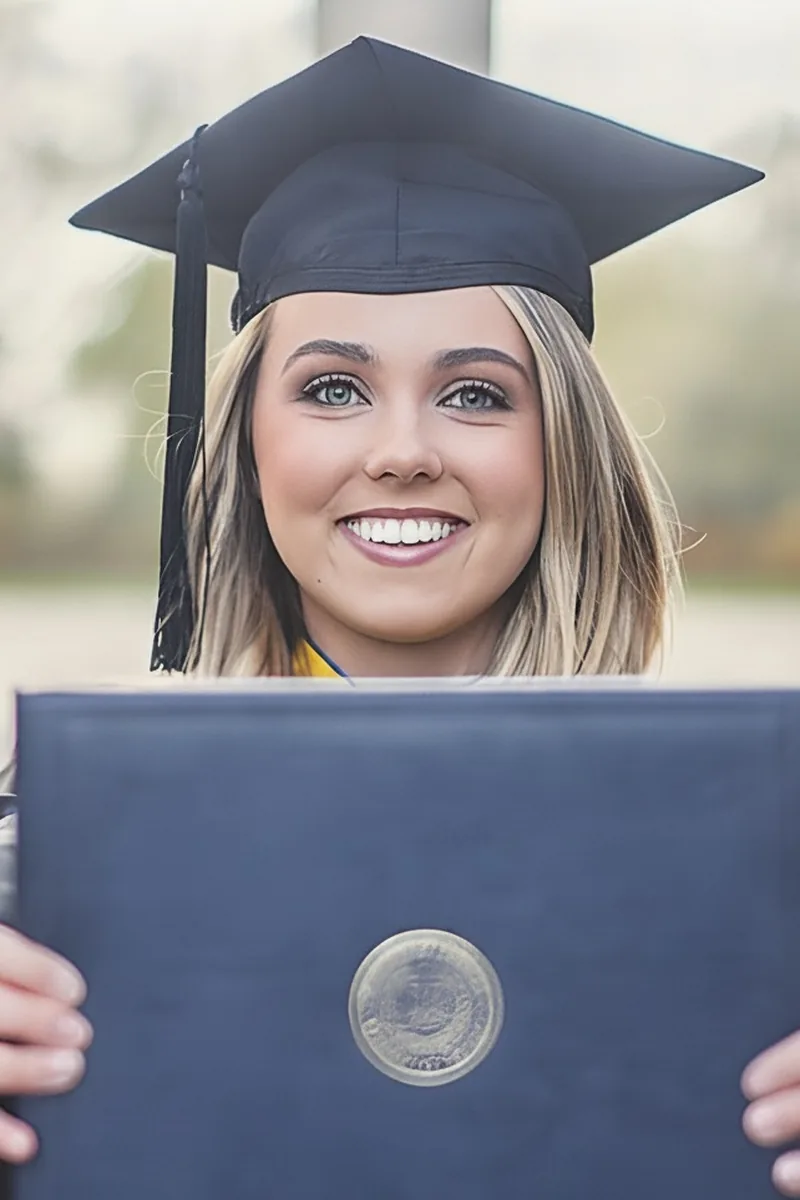
Studying biology at Duke meant spending serious time with bacterial physiology, viral replication cycles, and the immune responses they trigger. Amanda unpacks microbiology topics like gram staining techniques, biofilm formation, and prokaryotic gene regulation by tying each mechanism back to the bigger question of how microorganisms interact with their environments.
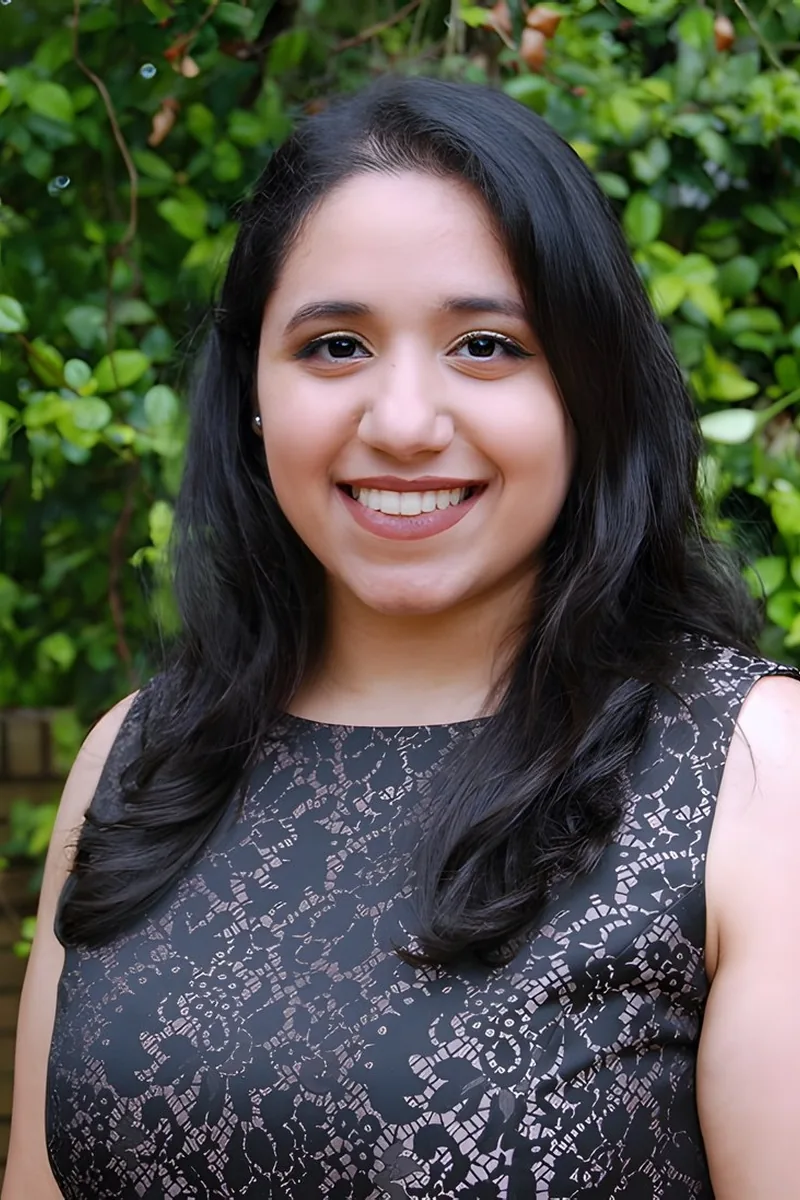
Chemical and biomolecular engineering at NC State meant Catrina spent years studying how microorganisms behave in bioreactors — bacterial growth kinetics, metabolic pathways, and the thermodynamic principles governing fermentation and cell culture. That engineering lens is especially useful for breaking down topics like microbial metabolism and growth curves, since she can explain the quantitative reasoning behind why organisms behave the way they do under specific conditions.
From Gram staining techniques to the metabolic differences between aerobic and anaerobic bacteria, microbiology demands both memorization and conceptual reasoning. Ritu teaches students to organize microbial classification, virulence factors, and immune evasion strategies into frameworks that actually stick. Her biology background spans cell and molecular topics that feed directly into understanding how microorganisms function.
Cellular and molecular biology as a major means Julia spent her undergrad inside the very processes that define microbiology — membrane transport, gene regulation, and the molecular machinery bacteria use to survive and replicate. That training lets her unpack topics like microbial metabolism and cell structure at the mechanistic level, connecting what's happening in a Gram stain or culture plate back to the underlying molecular biology driving it. Rated 4.8 by students.
Few tutors can teach microbiology with the clinical lens Emily brings from her nursing master's program. She digs into bacterial morphology, gram staining, virulence factors, and antimicrobial resistance by tying each concept back to how infections actually behave in patients — making the material stick long after the exam.
Studying microbiology at the college level means juggling bacterial classification, metabolic pathways, virulence factors, and immune response mechanisms all at once. Kristin earned her biology degree at the University of Chicago and now applies microbiology daily in her nursing graduate program at Penn, where pathogen behavior and infection control are part of clinical reality rather than just textbook diagrams.
As a fourth-year medical student at Thomas Jefferson University, Anshel has spent years immersed in bacterial pathogenesis, antimicrobial mechanisms, and the clinical consequences of infections that microbiology courses describe in the abstract. He connects concepts like gram staining, virulence factors, and antibiotic resistance to the patient scenarios that make them memorable. That clinical lens turns dense microbiology material into something students can actually reason through on exams.
Before pursuing her graduate degree, Kelsey taught microbiology at a community college, designing her own review materials and walking students through bacterial metabolism, microbial genetics, and lab techniques like Gram staining and culture analysis. That classroom experience means she knows which concepts trip students up — and how to explain them differently the second time around. Rated 4.9 by students.
Bacterial morphology, Gram staining techniques, viral replication cycles — microbiology throws a lot of vocabulary at students before asking them to think critically about pathogenesis and immune response. Ade's biology degree gives him the foundation to break down these interconnected systems and show how individual microorganisms actually behave in clinical and environmental contexts.
As a biology major at Boston College, Andrew's coursework in cell biology and lab science gave him hands-on experience with the microbial world — bacterial structure, growth dynamics, and the metabolic differences that determine how organisms thrive in different environments. His parallel study of chemistry strengthens how he explains topics like cell membrane function and nutrient uptake at the molecular level, turning dense material into something students can actually reason through. Rated 5.0 by students.
Medical school demands a granular understanding of pathogens — bacterial cell wall differences, viral replication cycles, antibiotic resistance mechanisms. Daniel earned his M.D. and brings that clinical lens to microbiology, connecting each organism's structure and behavior to the disease processes students are expected to know for exams.
Understanding microbiology means keeping dozens of organisms, metabolic pathways, and virulence mechanisms straight — and knowing when the differences actually matter. Jonathan's human biology training and pre-med preparation at Cornell gave him a clinical lens for bacterial genetics, host-pathogen interactions, and antimicrobial resistance that makes the material more intuitive than rote flashcard review.
Bhumi earned her Doctor of Medicine degree, which means she didn't just memorize bacterial morphology and Gram staining protocols — she applied them in clinical contexts where getting the organism wrong has real consequences. She teaches microbiology by connecting pathogen characteristics to disease presentations, making details like virulence factors and antibiotic resistance mechanisms far easier to retain.
A Stanford-trained biologist, Abhinav digs into microbiology topics like bacterial cell structure, metabolic pathways, and host-pathogen interactions with the detail they demand. He connects concepts across scales — linking molecular mechanisms like quorum sensing to broader outcomes like biofilm formation — so students see microbiology as a story rather than a catalog of organisms.
Studying cancer biology at the University of Chicago means Jessica spends time with microbial mechanisms at the cellular and molecular level — bacterial gene regulation, pathogenesis, and immune evasion strategies. She unpacks these dense topics by tying them to specific experimental techniques students encounter in their own coursework.
A Harvard-trained biologist with classroom teaching experience, Elizabeth digs into microbial structure, metabolism, and pathogenesis with genuine enthusiasm for the subject. She's particularly strong at connecting micro-level processes — bacterial gene regulation, viral replication cycles — to the bigger biological picture. Her science teaching background means she can unpack dense material without losing the thread.
Understanding microbiology means getting comfortable with organisms you can't see — bacterial cell structure, viral replication cycles, and the metabolic pathways that keep microbes alive. Varuna's graduate work in biomedical engineering at Tufts involved the biological mechanisms that underpin infection and immunity, giving her a practical lens for teaching concepts like gram staining, antibiotic resistance, and microbial genetics.
Testimonials
Because the right Microbiology tutor makes all the difference.
Average Session Rating – Based on 3.4M Learner Ratings
Other Charlotte Tutors
Related Science Tutors in Charlotte
Frequently Asked Questions
Microbiology requires understanding invisible organisms and complex processes that can't be observed directly, making it hard to visualize concepts like bacterial reproduction, viral mechanisms, and metabolic pathways. Students often struggle to move beyond memorization of terms and structures to truly grasp how microorganisms function and interact with their environments. Personalized tutoring helps bridge this gap by connecting abstract concepts to real-world applications—like how antibiotic resistance develops or how fermentation works—so the material becomes tangible and meaningful.
Tutors can help you understand the scientific reasoning behind lab protocols, interpret your results accurately, and connect experimental observations to the underlying microbiology concepts. Whether you're learning to use a microscope, prepare cultures, or analyze data from growth curves, personalized instruction helps you develop strong lab skills and scientific thinking—not just follow steps mechanically. This deeper understanding makes lab reports stronger and prepares you for more advanced coursework.
While microbiology does involve learning terminology, successful study focuses on understanding how structures and processes work together. For example, knowing the parts of a bacterial cell is less useful than understanding how the cell wall protects the organism or how flagella enable movement. Tutors help you build conceptual frameworks so you can reason through problems and apply knowledge to new situations—a skill that's essential for exams and future science courses.
Your first session focuses on understanding your current level, learning goals, and specific challenges—whether that's grasping metabolic pathways, preparing for an exam, or strengthening lab skills. The tutor will assess what concepts you understand well and where you need support, then create a personalized plan tailored to your needs. This foundation ensures every future session builds directly on your strengths and addresses your gaps.
Charlotte's diverse school districts teach microbiology with varying approaches and pacing, so tutors work flexibly with your specific curriculum and textbook. Whether you're in a traditional high school biology course, an AP or honors microbiology class, or a college-level microbiology course, personalized instruction adapts to your exact coursework and learning style. This targeted approach helps you master content quickly and build confidence in your understanding.
Tutors use diagrams, animations, models, and real-world examples to make invisible processes visible and understandable. For instance, explaining how a virus replicates or how immune cells recognize pathogens becomes clearer when you can see the mechanisms step-by-step. This visual and conceptual approach helps you build mental models of microbiology processes, making exams and problem-solving much more manageable.
Tutors help you identify high-priority concepts, practice applying knowledge to new problems, and develop test-taking strategies specific to microbiology. Rather than cramming facts, you'll work through practice questions, explain concepts in your own words, and tackle tricky application problems that require deep understanding. This active learning approach builds the confidence and reasoning skills you need to perform well on exams.
Absolutely. Personalized tutoring develops critical thinking alongside content mastery—you'll learn to ask questions about experimental design, interpret data skeptically, and reason through biological problems systematically. These scientific thinking skills transfer across all your science courses and are invaluable for college and careers in healthcare, research, or related fields. A tutor guides you to think like a scientist, not just memorize facts.
Let’s find your perfect tutor
Answer a few quick questions. We’ll recommend the right plan and match you with a top 5% tutor.