Award-Winning Biochemistry Tutors
serving Raleigh, NC
Biochemistry
Tutors in Raleigh
Private 1-on-1 tutoring, weekly live classes for academic support, test prep & enrichment, practice tests and diagnostics, and more to elevate grades and test scores.
Based on 3.4M Learner Ratings
UniversitiesSchools & Universities
DeliveredHours Delivered
ProficiencyGrowth in Proficiency
Who needs tutoring?
No obligation. Takes ~1 minute.
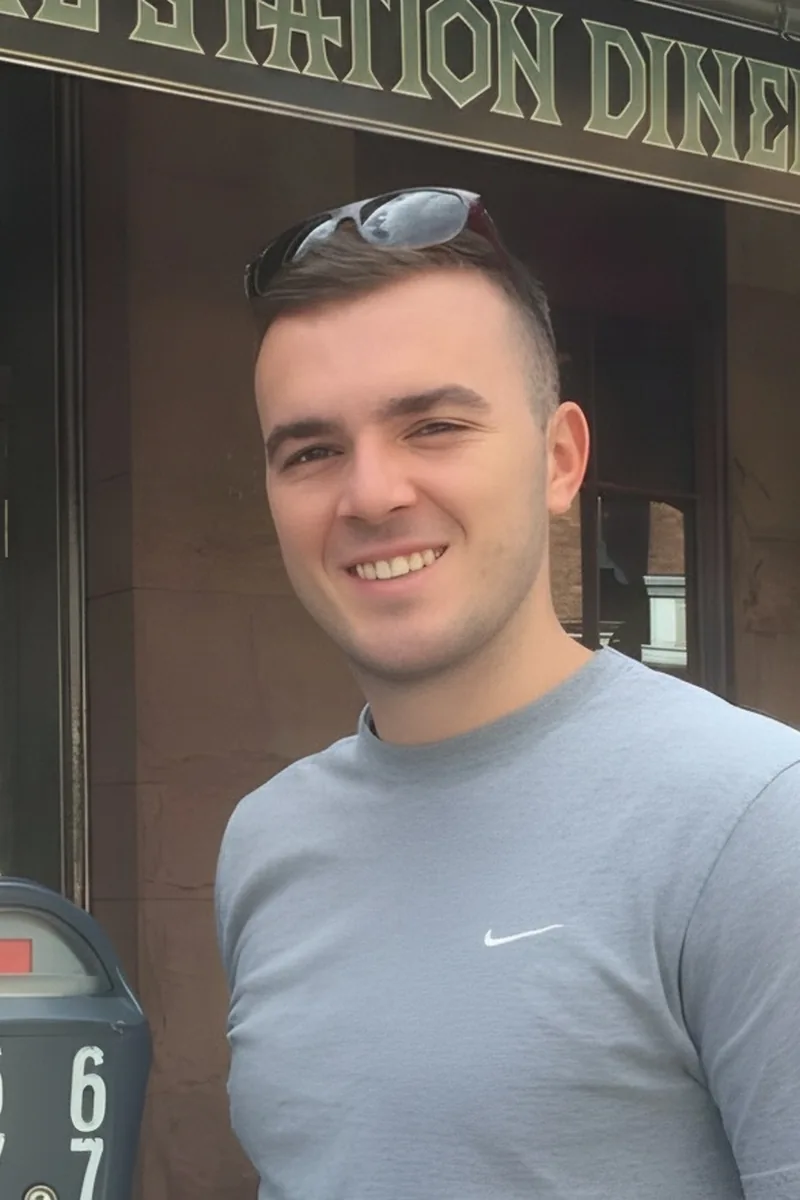
Enzyme kinetics, metabolic pathways, protein structure–function relationships — Biochemistry sits at the intersection of biology and chemistry, and it demands comfort in both. Hunter earned his undergraduate degree in Biochemistry at Boston College and is continuing into a PhD at Duke, so he teaches topics like Michaelis-Menten kinetics and amino acid chemistry from years of hands-on experience rather than surface-level familiarity.
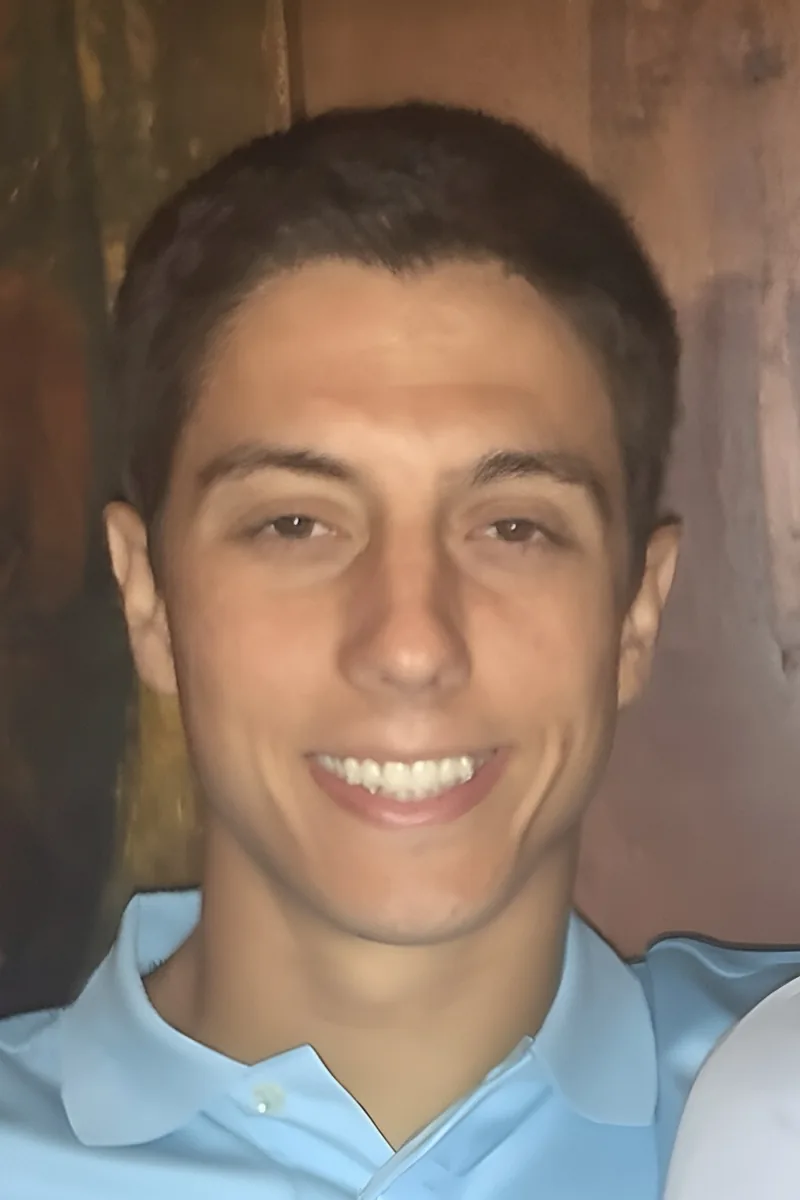
Four years of medical school means Jordan has cycled through biochemistry multiple times — first mastering it for premed coursework, then again for the MCAT, and again for USMLE Step 1 — each pass deepening his grasp of how pathways like the urea cycle and oxidative phosphorylation connect to clinical medicine. That layered repetition lets him teach metabolic integration the way it actually gets tested: not as isolated reactions, but as interconnected systems where disrupting one enzyme cascades through the whole picture. Rated 5.0 by students.
Tutoring organic and general chemistry in Wake Forest's Chemistry Department — while earning an honors degree with a biochemistry concentration — meant Taylor was constantly connecting reaction mechanisms to the biological contexts where they matter. She breaks down topics like enzyme catalysis and metabolic pathway logic by building from the organic chemistry students already know, so each new intermediate or cofactor role slots into place instead of floating in isolation.
Having served as an undergraduate teaching assistant for introductory biochemistry at Cornell, Josef knows exactly which concepts — cofactor roles, enzyme regulation, the interplay between metabolic pathways — trip students up for the first time. He teaches by showing how biochemistry synthesizes organic chemistry, cell biology, and thermodynamics into a single coherent story, so each pathway feels like a logical extension rather than a separate thing to memorize. Rated 5.0 by students.
Enzyme kinetics, amino acid structures, metabolic pathways — Biochemistry demands that students hold molecular details and big-picture biological function in their heads simultaneously. Ibi is actively studying these topics in her premedical post-bac program, so she explains concepts like Michaelis-Menten curves and lipid metabolism with the fluency of someone who just worked through them herself. That recency makes a real difference when a student is stuck at 11 p.m. before an exam.
Medical school with a focus on infectious diseases means Grant thinks about biochemistry in terms of host-pathogen interactions — how bacteria hijack metabolic machinery, why certain enzyme targets make effective drug sites, and what happens to energy metabolism during sepsis. His biochemistry degree and MD training let him teach topics like amino acid pathways and enzyme inhibition by connecting each mechanism to the microbiology that brings it to life.
This is Gabriel's home turf. His Bachelor of Science in Biochemistry from Texas A&M means he spent years immersed in enzyme kinetics, metabolic pathways, protein structure, and molecular interactions — and he can explain the difference between competitive and noncompetitive inhibition as clearly as he can walk through the citric acid cycle. Students get someone who genuinely enjoys the subject and knows where the exam traps hide.
Two years as an Organic Chemistry Laboratory TA at the college level gave Maha the kind of mechanistic fluency that makes biochemistry's toughest material — reaction cascades in metabolic pathways, enzyme active-site chemistry, the logic behind cofactor requirements — click into place rather than blur together. Now a graduate student at Johns Hopkins Bloomberg School of Public Health with a dual background in chemistry and biology, she connects the organic chemistry driving each biochemical transformation to its broader physiological relevance. Rated 5.0 by students.
Zachary earned both his BS in Biology and a master's in Molecular Biology, which means he's traced biochemical pathways from two different altitudes — the broad cellular view and the granular molecular detail. That dual training comes through when he unpacks topics like lipid metabolism or allosteric enzyme regulation, building each concept from its chemical logic so the bigger metabolic map starts to make sense on its own.
Enzyme kinetics, metabolic pathways, protein structure — biochemistry asks students to think across chemistry and biology simultaneously, which is exactly what Saniya's neuroscience and chemistry training prepared her for. She unpacks complex topics like Michaelis-Menten kinetics or amino acid properties by linking molecular behavior to biological function, making dense material more intuitive. Her continued coursework in physiology and histology keeps these connections sharp.
Studying cognitive science on a pre-med track at Rice means Natalie lives in the overlap between biology and chemistry every semester — enzyme kinetics, metabolic pathways, and protein structure are part of her daily coursework. She unpacks biochemistry by anchoring molecular details to the bigger biological question they answer, which makes dense material like the citric acid cycle far more digestible.
Bintou's chemistry degree from Penn covered the organic and physical chemistry backbone that biochemistry builds on — reaction mechanisms, thermodynamics, molecular structure — and her year teaching high school science sharpened her ability to break layered concepts into steps students can actually follow. She approaches topics like enzyme kinetics and metabolic regulation by first making sure the underlying chemistry clicks, then building up to how those reactions behave inside a cell.
Enzyme kinetics, metabolic pathways, and protein structure all demand a student who can think across chemistry and biology simultaneously — which is exactly what Aleeza's biology degree and MCAT preparation trained her to do. She unpacks topics like Michaelis-Menten kinetics and amino acid chemistry by tying molecular details to the bigger biological picture. Students studying for upper-level biochemistry exams or the MCAT get someone who recently mastered this material herself.
Enzyme kinetics, metabolic pathways, protein structure — biochemistry sits at the intersection of biology and chemistry, and students often struggle because they try to learn each topic in isolation. Phoebe's Master's in Biomedical Sciences gave her deep fluency in exactly these systems, from amino acid chemistry to the regulation of glycolysis and the citric acid cycle. She unpacks each pathway by connecting molecular structure to biological function, which makes the logic stick.
Medical school required Thomas to internalize biochemistry at a level most undergrads never reach — enzyme kinetics, metabolic regulation, amino acid chemistry, and the signaling cascades that tie them together. He breaks down dense pathways like glycolysis and the citric acid cycle into logical sequences so students can reason through problems instead of relying on rote memorization. Rated 5.0 by students.
Testimonials
Because the right Biochemistry tutor makes all the difference.
Average Session Rating – Based on 3.4M Learner Ratings
Practice Biochemistry
Free practice tests, flashcards, and AI tutoring for Biochemistry
Other Raleigh Tutors
Related Science Tutors in Raleigh
Frequently Asked Questions
Biochemistry requires understanding how molecular structures determine function—a concept that's hard to visualize without proper guidance. Students often struggle with balancing chemical equations, mastering metabolic pathways, and connecting abstract molecular concepts to real biological processes. Many also find it challenging to move beyond memorization to truly understand why reactions occur and how they relate to living systems. Personalized tutoring helps bridge this gap by breaking down complex mechanisms and building intuition for how biochemical systems work.
Yes. Tutors can help you understand the scientific reasoning behind lab protocols, interpret experimental results, and troubleshoot when procedures don't go as expected. They can also help you prepare pre-lab assignments, understand the underlying biochemistry being tested, and develop stronger scientific thinking skills. This support strengthens both your lab performance and your conceptual understanding of the material.
Metabolic pathways involve dozens of interconnected reactions, making them difficult to learn in isolation. Expert tutors use visualization techniques, step-by-step walkthroughs, and real-world examples to help you see how pathways connect and why each reaction matters. Breaking these down into manageable pieces—and understanding the energy changes and enzyme roles involved—makes the bigger picture much clearer than trying to memorize isolated facts.
Your first session focuses on understanding your current level, identifying your biggest pain points, and building a personalized plan. The tutor will likely assess your grasp of foundational chemistry concepts, discuss which topics feel most confusing, and start working on one specific challenge. This helps establish a baseline and ensures your tutoring is tailored to your exact needs rather than generic.
Memorizing structures and pathways doesn't stick—true understanding comes from knowing the 'why' behind biochemical processes. Tutors use active learning strategies like practice problems, concept mapping, and explaining mechanisms out loud to help you develop deeper understanding. They also connect abstract molecular concepts to real biological functions, making the material more meaningful and memorable than rote memorization alone.
Exam preparation goes beyond reviewing notes—it requires practicing application of concepts, working through challenging problems, and identifying knowledge gaps. Tutors help you focus on high-yield topics, develop problem-solving strategies for mechanism questions, and build confidence with timed practice. They can also help you learn to communicate your understanding clearly, which is crucial for essay and short-answer questions on biochemistry exams.
Look for tutors with strong chemistry and biology backgrounds—ideally with coursework or professional experience in biochemistry specifically. They should be able to explain complex concepts clearly, use visual aids effectively, and connect theory to real-world applications. Varsity Tutors connects you with tutors who have demonstrated expertise in biochemistry and a track record of helping students move from confusion to confidence.
Raleigh has strong educational institutions and science-focused organizations that offer additional learning opportunities. While personalized tutoring provides targeted, one-on-one support for your specific challenges, you can also explore local science centers, university resources, and study groups to reinforce what you're learning. Many students find that combining focused tutoring with these community resources creates a well-rounded learning experience.
Let’s find your perfect tutor
Answer a few quick questions. We’ll recommend the right plan and match you with a top 5% tutor.