Award-Winning Biochemistry Tutors
serving Charlotte, NC
Biochemistry
Tutors in Charlotte
Private 1-on-1 tutoring, weekly live classes for academic support, test prep & enrichment, practice tests and diagnostics, and more to elevate grades and test scores.
Based on 3.4M Learner Ratings
UniversitiesSchools & Universities
DeliveredHours Delivered
ProficiencyGrowth in Proficiency
Who needs tutoring?
No obligation. Takes ~1 minute.
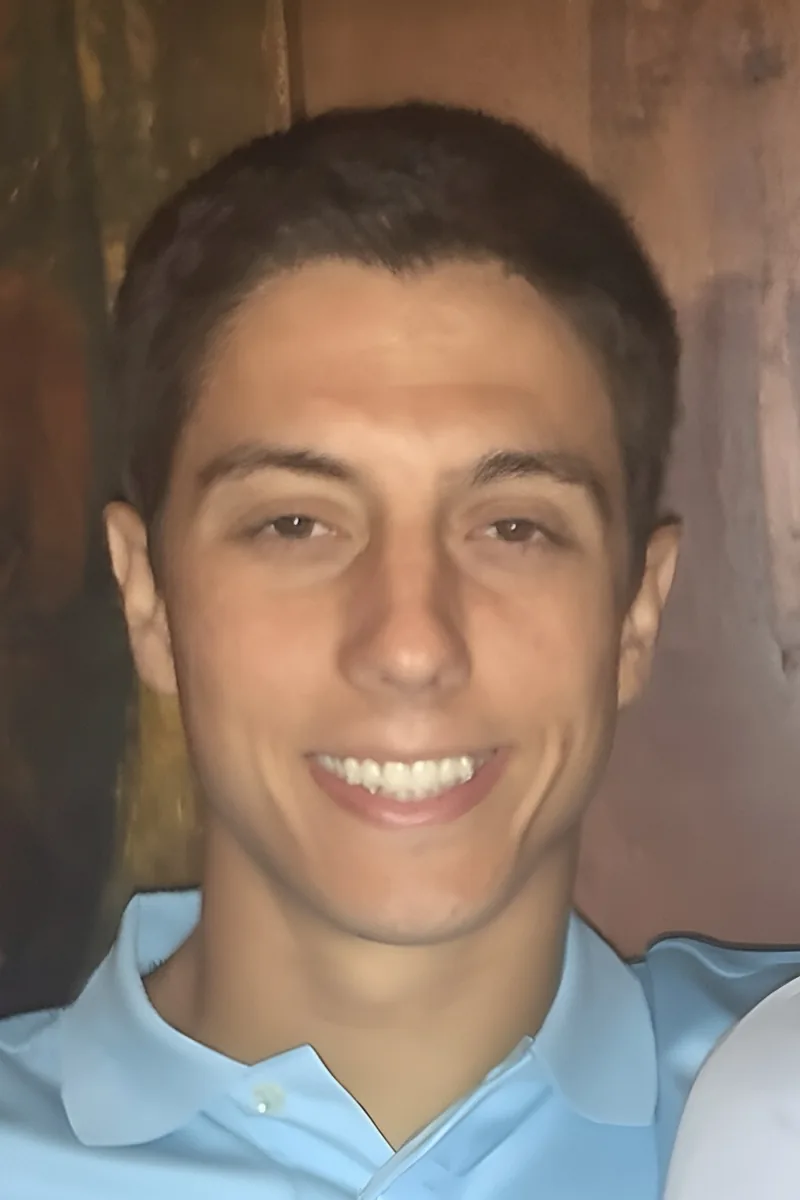
Four years of medical school means Jordan has cycled through biochemistry multiple times — first mastering it for premed coursework, then again for the MCAT, and again for USMLE Step 1 — each pass deepening his grasp of how pathways like the urea cycle and oxidative phosphorylation connect to clinical medicine. That layered repetition lets him teach metabolic integration the way it actually gets tested: not as isolated reactions, but as interconnected systems where disrupting one enzyme cascades through the whole picture. Rated 5.0 by students.
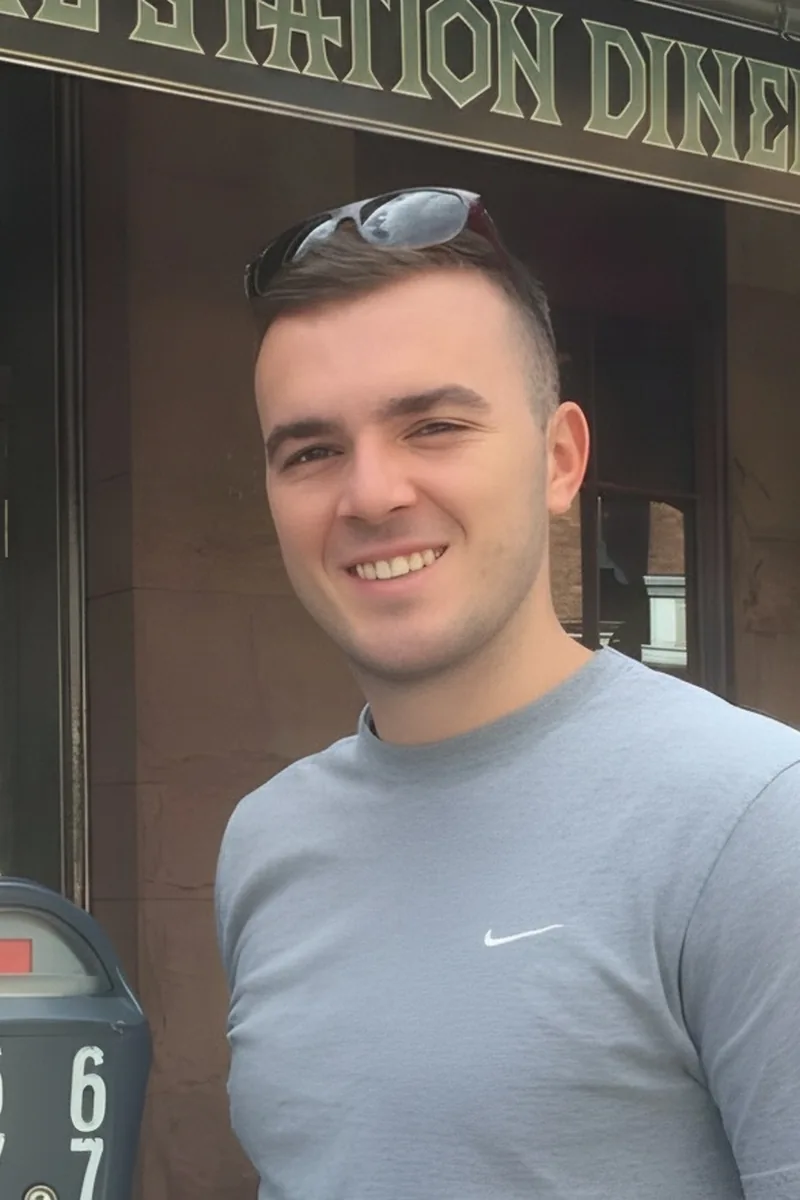
Enzyme kinetics, metabolic pathways, protein structure–function relationships — Biochemistry sits at the intersection of biology and chemistry, and it demands comfort in both. Hunter earned his undergraduate degree in Biochemistry at Boston College and is continuing into a PhD at Duke, so he teaches topics like Michaelis-Menten kinetics and amino acid chemistry from years of hands-on experience rather than surface-level familiarity.
Tutoring organic and general chemistry in Wake Forest's Chemistry Department — while earning an honors degree with a biochemistry concentration — meant Taylor was constantly connecting reaction mechanisms to the biological contexts where they matter. She breaks down topics like enzyme catalysis and metabolic pathway logic by building from the organic chemistry students already know, so each new intermediate or cofactor role slots into place instead of floating in isolation.
Enzyme kinetics, metabolic pathways, protein folding — biochemistry sits at the intersection of biology and chemistry, and Zachary holds a degree in exactly that. He digs into the molecular logic behind processes like glycolysis and the citric acid cycle, connecting reaction mechanisms to the bigger physiological picture so the details actually stick.
I am most passionate about biology and chemistry. I am a firm proponent of education, believing it to be absolutely necessary for an improved quality of life, and I try to impart this appreciation to all of my students.
I am a 3rd year bio major at GT with minors in biochemistry and computer science. My tutoring subjects are math, bio, and chem. I have tutored for a few years, and I have also TAed! My favorite subjects are general chemistry and molecular biology (: My personal belief is that anyone can enjoy a subject once they truly understand it.
Enzyme kinetics, metabolic pathways, protein folding — biochemistry lives at the intersection of biology and chemistry, and Varshini's neuroscience major with a chemistry minor put her squarely in that overlap. She unpacks complex pathways like glycolysis and the citric acid cycle by connecting each reaction to its biological purpose, which makes the logic behind regulation and inhibition far easier to retain.
Enzyme kinetics, metabolic pathways, protein structure — biochemistry sits at the intersection of two subjects David studied formally, with a bachelor's in chemistry and graduate-level exposure to biomolecular engineering. He digs into mechanisms like glycolysis and the citric acid cycle by connecting each step's chemistry to its biological purpose, so students retain the logic instead of just the diagram. That approach has earned him a 4.9 student rating.
Northwestern's neuroscience program required Amira to internalize biochemistry from the pre-med side — amino acid properties, metabolic pathway regulation, and the molecular signaling that bridges chemistry and biology. She breaks down dense topics like enzyme kinetics and oxidative metabolism by linking each mechanism back to the physiological system it serves, turning abstract reaction chains into something students can reason through rather than memorize.
Enzyme kinetics, metabolic pathways, protein structure — biochemistry sits at the intersection of biology and chemistry, and it punishes students who try to memorize without understanding the underlying logic. Oliver earned his B.A. in Biochemistry at CU Boulder with a chemistry minor, giving him the dual lens needed to explain why Michaelis-Menten curves behave the way they do or how amino acid properties dictate protein folding.
Enzyme kinetics, metabolic pathways, protein structure — biochemistry sits at the intersection of biology and chemistry, and most students struggle because they try to memorize it as one or the other. Michael's biomedical engineering background means he approaches biochemistry as an integrated system, linking molecular structure to biological function. He unpacks topics like Michaelis-Menten kinetics and amino acid chemistry by tying them to the physical principles that drive them.
Enzyme kinetics, metabolic pathways, and amino acid chemistry all converge in biochemistry, and keeping them straight requires more than flashcards. Kaitlyn tackles these topics daily in medical school, so she teaches Michaelis-Menten plots, glycolysis intermediates, and protein structure with the kind of fluency that comes from constant use rather than distant memory.
Enzyme kinetics, metabolic pathways, protein folding — biochemistry sits at the intersection of biology and chemistry, and Natasha lives at exactly that intersection as a chemical and biomolecular engineering graduate student at MIT. She unpacks reaction mechanisms and molecular interactions by encouraging students to talk through each step out loud, turning dense pathway diagrams into narratives that actually stick.
As a biology and economics graduate now working as a research associate before medical school, Sunny lives in the world of biochemistry daily — from enzyme kinetics and metabolic pathways to protein structure and nucleic acid chemistry. He unpacks dense topics like the citric acid cycle or amino acid properties by connecting molecular details to the bigger physiological picture, which is especially useful for students preparing for upper-level coursework or the MCAT.
Earning a BS in Biochemistry from Boston College and then completing a PhD in molecular biology means Monika has spent years immersed in enzyme kinetics, metabolic pathways, and protein structure-function relationships. She tackles tough topics like the citric acid cycle and Michaelis-Menten kinetics by connecting each reaction to its biological purpose, turning rote memorization into logical storytelling.
Testimonials
Because the right Biochemistry tutor makes all the difference.
Average Session Rating – Based on 3.4M Learner Ratings
Practice Biochemistry
Free practice tests, flashcards, and AI tutoring for Biochemistry
Other Charlotte Tutors
Related Science Tutors in Charlotte
Frequently Asked Questions
Biochemistry is the study of chemical processes within living organisms—how molecules like proteins, lipids, and carbohydrates interact to sustain life. It bridges chemistry and biology, making it essential for students pursuing careers in medicine, pharmacy, biotechnology, and research. Understanding biochemistry gives you insight into everything from how your cells produce energy to how diseases develop at the molecular level.
Many students struggle with visualizing abstract molecular structures and metabolic pathways that exist at scales we can't see directly. Balancing chemical equations, understanding enzyme kinetics, and connecting theoretical concepts to real-world applications—like how a drug works in your body—are also frequent pain points. The key is moving beyond memorization to truly understand the 'why' behind biochemical processes, which is where personalized instruction makes a real difference.
Personalized 1-on-1 instruction allows tutors to break down complex pathways and reactions into digestible pieces, use visual tools to help you see molecular structures, and connect abstract concepts to real applications in your body and in medicine. Tutors can also help you develop scientific reasoning skills—not just memorize facts—so you understand how to approach problems and think like a biochemist. This personalized approach is particularly effective for biochemistry, where understanding mechanisms is more valuable than rote memorization.
Your first session is about building a foundation for success. Tutors will assess your current understanding of biochemistry concepts, identify specific areas where you're struggling (whether it's metabolic pathways, enzyme function, or exam preparation), and learn your learning style. From there, they'll create a personalized plan that targets your goals—whether that's improving your grade, preparing for the MCAT, or mastering a specific unit before an exam.
Absolutely. Lab work is where biochemistry becomes tangible, and tutors can help you understand the purpose behind experiments, how to interpret results, and connect lab procedures to the underlying biochemical principles. Whether you're learning chromatography, spectrophotometry, or protein analysis, personalized instruction helps you see how theory translates into practice and prepares you to think critically about experimental design.
No—and that's actually the wrong approach. While you'll need to know key structures, pathways, and enzyme names, the real skill in biochemistry is understanding how and why these molecules interact. Tutors focus on helping you build conceptual frameworks so you can reason through problems and apply your knowledge to new situations, rather than just recalling facts. This deeper understanding also makes material stick longer and helps you perform better on exams that test application, not just recall.
Visualization is crucial in biochemistry, and tutors use multiple strategies: drawing molecular structures, using 3D models or software, creating pathway diagrams, and relating concepts to real-world examples you can picture (like how your muscles use ATP during exercise). With personalized instruction, tutors can tailor visual explanations to match how you learn best, whether you're a visual learner, kinesthetic learner, or someone who benefits from analogies and real-world connections.
Varsity Tutors connects you with expert tutors who have deep knowledge of biochemistry and experience helping students master the subject. You can share your specific needs—whether you're in a college biochemistry course, preparing for the MCAT, or working through a challenging unit—and get matched with a tutor whose expertise and teaching style align with your goals. The process is straightforward, and you can start personalized instruction on your timeline.
Let’s find your perfect tutor
Answer a few quick questions. We’ll recommend the right plan and match you with a top 5% tutor.