Award-Winning Science Olympiad
Tutors
Science Olympiad
Tutors
Private 1-on-1 tutoring, weekly live classes for academic support, test prep & enrichment, practice tests and diagnostics, and more to elevate grades and test scores.
Based on 3.4M Learner Ratings
UniversitiesSchools & Universities
DeliveredHours Delivered
ProficiencyGrowth in Proficiency
Who needs tutoring?
No obligation. Takes ~1 minute.
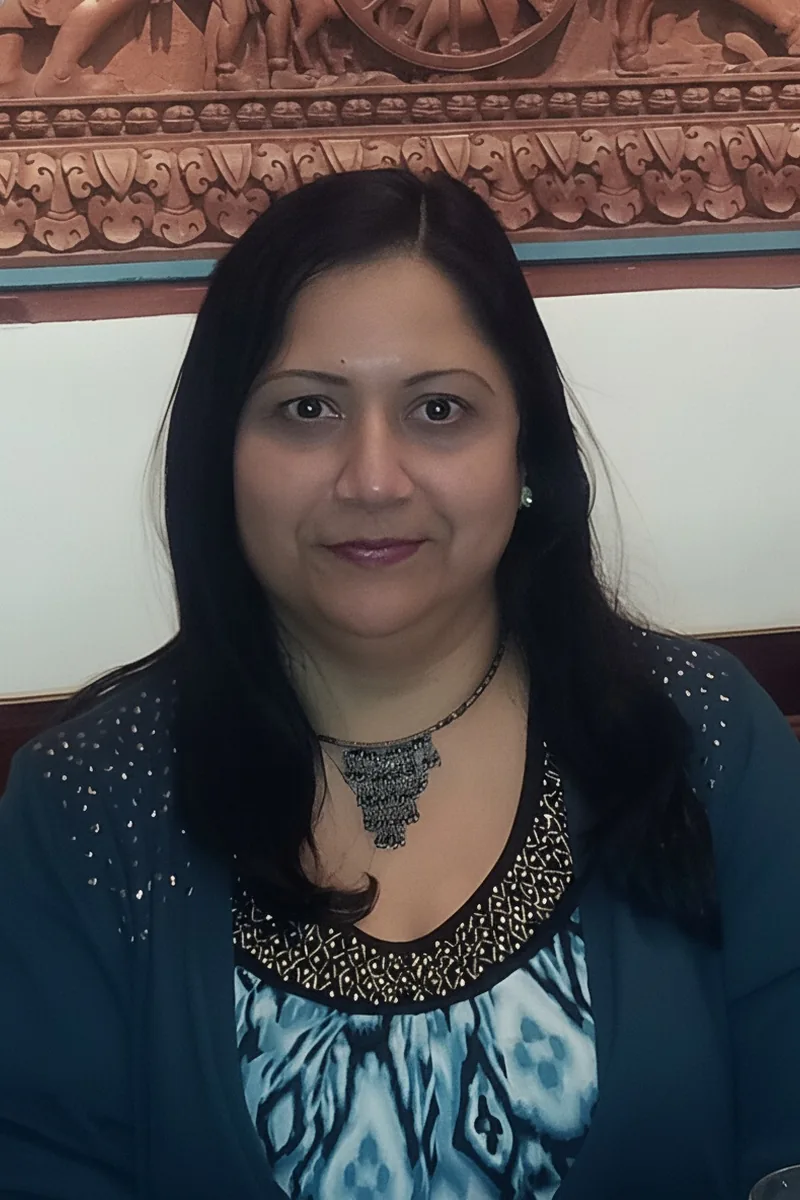
Madhura's chemistry master's degree and high school teaching experience give her particular depth in the chemistry and life science events — Chem Lab, Disease Detectives, and Heredity — where competitors need to connect textbook concepts to unfamiliar data sets under time pressure. She also coaches the biology-heavy events like Anatomy and Cell Biology, breaking down the volume of required content into structured study sheets and timed practice rounds. Rated 4.7 by students.
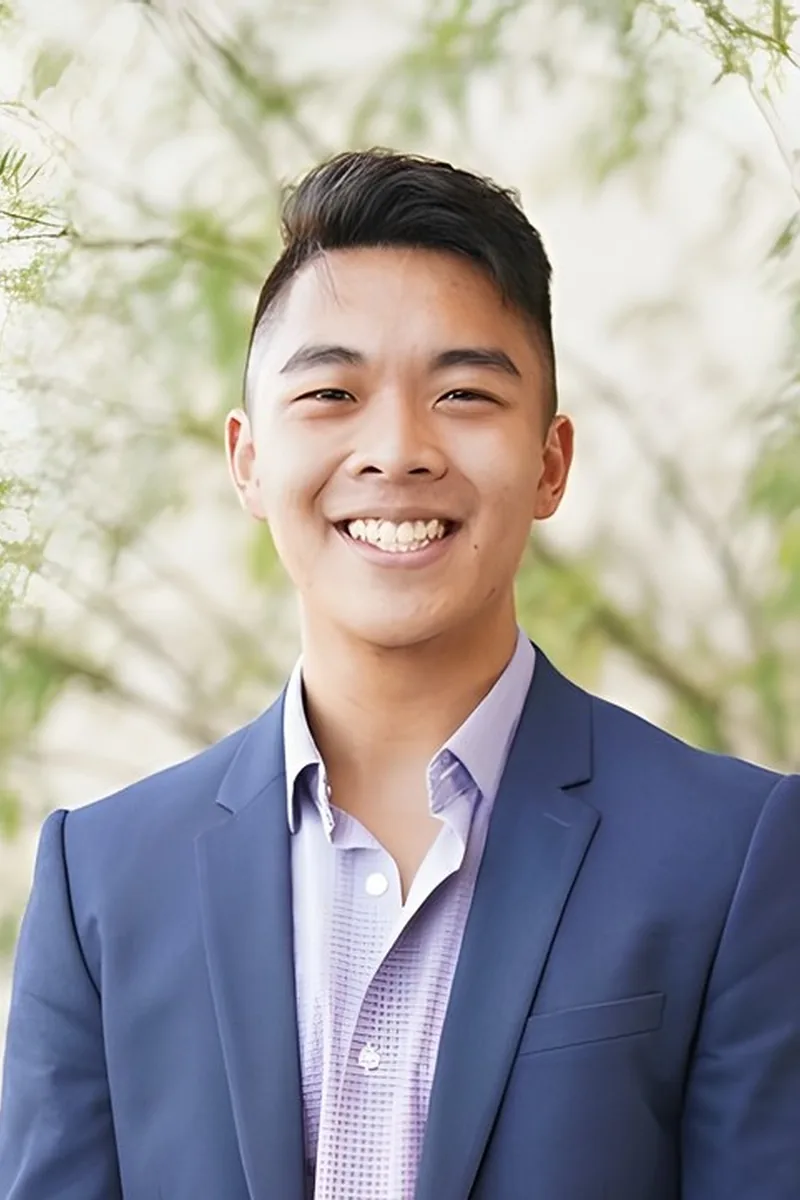
Howard helped build Science Olympiad programs from the ground up before college, coaching students through both build events and test events. He brings particular depth to the physics and chemistry-heavy events — think Thermodynamics, Forensics, and Chem Lab — drawing on his chemical engineering training to explain the underlying science rather than just drilling practice tests. That combination of competition strategy and subject knowledge is hard to find.
As a computer engineering student at Georgia Tech who scored a 36 ACT, Yash brings the quantitative rigor and engineering intuition that events like Circuit Lab, Machines, and Wind Power demand — where understanding the math behind the physics is what separates top scores from average ones. He also coaches Fermi Questions and other estimation-heavy events, teaching competitors the systematic approximation techniques that turn impossible-sounding problems into solvable ones. Rated 5.0 by students.
Working in a stem cell research lab at UGA gives Brittany hands-on experience with the kind of experimental design, data analysis, and lab technique that events like Experimental Design, Disease Detectives, and Anatomy & Physiology actually test. Her biology degree anchors the life science events, but she also coaches competitors on building the structured reference sheets and study systems that make open-note events less overwhelming. Rated 4.9 by students.
Mechanical engineering at Case Western gives Kevin the physics, materials science, and applied math background that powers events like Machines, Wind Power, and Bridge — where understanding statics, torque, and material properties separates builders who guess from builders who calculate. His 36 ACT and competition math experience also translate directly to Fermi Questions and other estimation-heavy events that reward fast, structured quantitative reasoning. Rated 4.8 by students.
Jie's computer engineering studies at Michigan give him a technical edge in the physics and engineering-heavy events — think Circuit Lab, Machines, and Wind Power — where understanding the math behind the mechanics matters as much as memorizing facts. His broad STEM background also covers the quantitative reasoning that events like Fermi Questions and Experimental Design demand. He reverse-engineers each event's scoring criteria so students know exactly where to focus their prep time.
Madeleine's applied mathematics degree with a physics concentration at Barrett Honors College gives her unusual dual coverage of the quantitative and physical science events — she can coach competitors through the math-heavy reasoning in Fermi Questions one day and the mechanics concepts behind Machines or Helicopters the next. Her research experience in a physics lab also means she understands the experimental design process from the inside, which translates directly to events where building a procedure, collecting data, and defending conclusions under time pressure is the actual test. Rated 5.0 by students.
Having tutored across physics, math, and earth science — and with an economics degree that sharpened her data analysis instincts — Evelyn is well-suited for the test-based events where competitors need to interpret graphs, run quick calculations, and connect concepts across disciplines under time pressure. She's particularly effective at coaching the study-system side of prep, helping competitors organize massive amounts of content into usable reference materials and practice routines that build real retention before tournament day.
The biology-heavy events — Cell Biology, Disease Detectives, Anatomy & Physiology, Heredity — are where Ashley's depth really shows, drawing on her background across cell biology, molecular biology, microbiology, and biochemistry to explain the underlying science competitors need rather than just surface-level definitions. She also coaches the writing and study-strategy side of prep, helping competitors build concise, well-organized reference sheets for open-note events. Rated 5.0 by students.
I am a Molecular Engineering major at the University of Chicago, I am currently taking time off to focus on other aspects of my career but I don't want to stop tutoring outside college campus!. I am a child of immigrants and have spent my life tutoring my siblings and younger students, and I loved working with them! See y'all in class!
Biology and chemistry form the backbone of many Science Olympiad events, and Akshadha's biology degree means she can dig into the content behind events like Anatomy & Physiology, Disease Detectives, and Cell Biology without skimming the surface. Her experience tutoring across age groups and ability levels — including work at a refugee tutoring center — sharpened her ability to adapt explanations on the fly, which matters when a competitor needs to pivot between memorization-heavy and analysis-heavy events in the same tournament. Rated 4.9 by students.
Testimonials
Because the right Science Olympiad tutor makes all the difference.
Average Session Rating – Based on 3.4M Learner Ratings
Top 20 Science Subjects


Top 20 Subjects
Frequently Asked Questions
Science Olympiad covers a wide range of disciplines across life science, earth science, and physical science. Depending on your division level and event focus, tutoring can address topics like anatomy and physiology, chemistry and chemical reactions, physics principles, geology, astronomy, genetics, and ecology. A tutor helps you master both the content knowledge and the scientific reasoning skills needed to solve problems quickly during competition.
Science Olympiad events are highly specialized—whether you're competing in Anatomy & Physiology, Fermi Questions, or Astronomy, each requires specific knowledge and problem-solving strategies. Tutors work with you to build deep understanding of event-specific content, practice past competition questions, develop efficient study approaches, and learn time management strategies that help you perform under pressure. This targeted preparation significantly improves your ability to compete effectively.
In Science Olympiad, memorization alone won't get you far—judges test your ability to apply concepts to novel situations and explain the "why" behind phenomena. Tutoring focuses on building conceptual understanding, so you can reason through unfamiliar problems using core principles rather than relying on recall. This deeper learning also helps you retain information longer and connect concepts across different events, making your overall preparation more efficient.
Many Science Olympiad topics involve abstract ideas that are hard to visualize—like enzyme function, atomic bonding, or gravitational forces. Expert tutors use diagrams, 3D models, analogies, and interactive explanations to help you build mental models of these concepts. They also connect abstract ideas to real-world applications and experiments, which makes them easier to understand and remember. This approach transforms confusing topics into concepts you can confidently explain and apply.
The best Science Olympiad tutors have deep subject expertise in multiple science disciplines and familiarity with competition formats and expectations. They know how to break down complex topics into manageable pieces, identify your knowledge gaps quickly, and tailor explanations to your learning style. They also understand the time pressure of competition and teach you efficient problem-solving strategies. Most importantly, they help you develop scientific thinking skills—not just fill gaps in content knowledge.
Preparation timelines vary depending on your starting point, the events you're competing in, and how frequently you meet with a tutor. Most students benefit from starting preparation 2-4 months before competition season, meeting weekly or bi-weekly. If you're focusing on one or two specific events, you might see solid progress in 6-8 weeks. Consistent practice between tutoring sessions—working through past competition papers and reviewing materials—accelerates your progress significantly.
Science Olympiad rewards the ability to think scientifically—asking good questions, designing logical experiments, analyzing data, and drawing evidence-based conclusions. Tutors help you develop these skills by having you explain your thinking, solve open-ended problems, and analyze why certain answers are correct. Over time, you build stronger scientific intuition and learn to approach unfamiliar questions systematically. These skills not only improve your competition performance but also prepare you for advanced science courses and STEM careers.
Let’s find your perfect tutor
Answer a few quick questions. We’ll recommend the right plan and match you with a top 5% tutor.