Award-Winning African History
Tutors
African History
Tutors
Private 1-on-1 tutoring, weekly live classes for academic support, test prep & enrichment, practice tests and diagnostics, and more to elevate grades and test scores.
Based on 3.4M Learner Ratings
UniversitiesSchools & Universities
DeliveredHours Delivered
ProficiencyGrowth in Proficiency
Who needs tutoring?
No obligation. Takes ~1 minute.

Studying linguistics at the University of Chicago meant engaging with the deep history of language families, oral traditions, and colonial language policies across the African continent. Patrick brings that interdisciplinary perspective to African history, unpacking topics like precolonial kingdoms, the transatlantic slave trade, and decolonization movements through careful analysis of primary texts and cultural context.
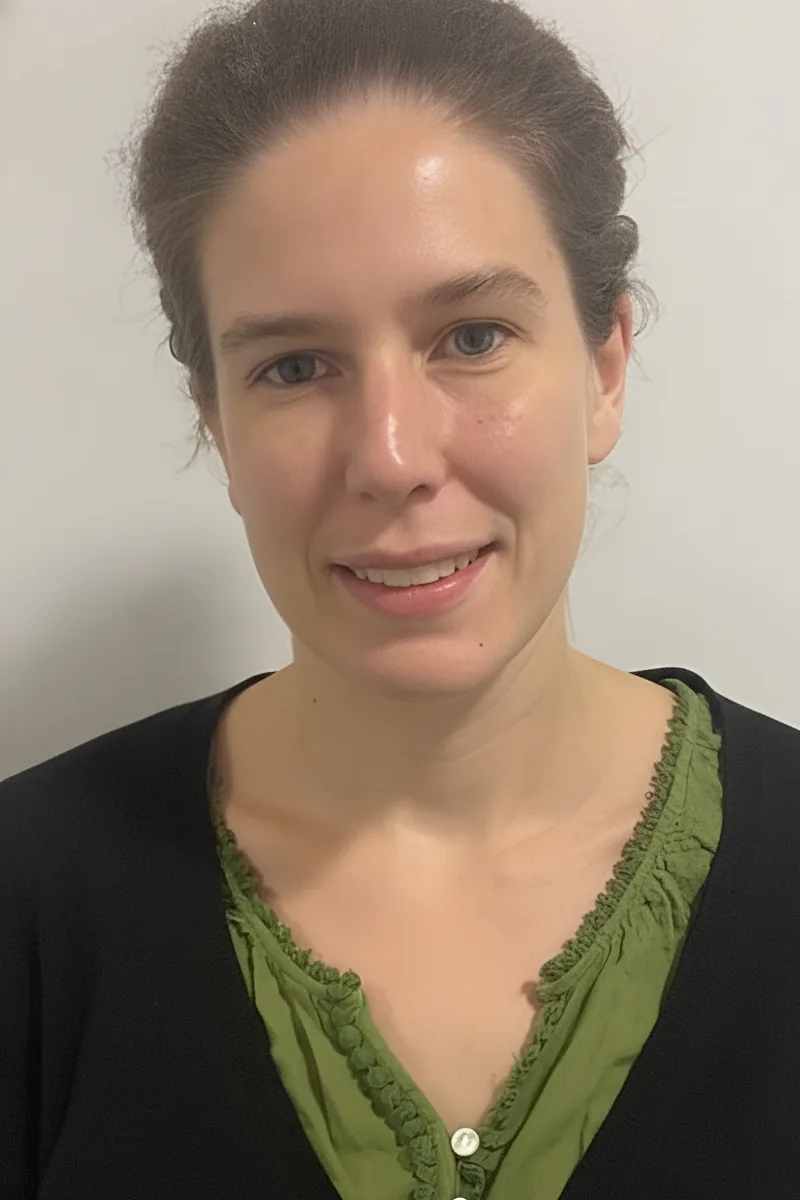
Studying West African music at the PhD level at Harvard means Sarah spends her days immersed in African history — precolonial kingdoms, the impact of colonialism on cultural practices, and contemporary political and social dynamics across the continent. She connects historical events to the cultural and artistic traditions that grew out of them, making the material vivid rather than abstract.
Peter's journalism training and Master's in English Education mean he knows how to teach students to read critically and build arguments from evidence — exactly what African history demands when analyzing topics like colonial-era newspaper accounts or independence movement rhetoric. He approaches the subject through its texts and narratives, showing students how to evaluate competing perspectives on events from the trans-Saharan trade to decolonization. Rated 4.7 by students.
I'm excited to work with you or your child either on standardized test preparation or on generally improving performance in history, English, and social studies!
Precolonial kingdoms, the Scramble for Africa, decolonization movements — African History covers an enormous scope, and Asha's doctoral training in political science gives her a sharp lens for analyzing how power structures shaped the continent. She digs into primary sources like independence-era speeches and colonial treaties to teach students how political context drove historical change.
As a Teach For America corps member with a Spanish degree, Michael brings strong cross-cultural literacy and language skills to a subject that rewards understanding diverse societies on their own terms. He teaches students to analyze events like the Scramble for Africa or post-independence nation-building by constructing clear, evidence-driven arguments — a writing-intensive approach shaped by his background in essay composition and literary analysis.
Studying African history means grappling with diverse civilizations, trade networks, and colonial legacies that most Western curricula barely touch. Kiara's African American Studies degree included significant engagement with the African continent — precolonial kingdoms, the transatlantic slave trade's impact on West African societies, and post-independence political movements. She connects these threads so students see African history as dynamic rather than static.
Too many courses reduce African History to colonialism and its aftermath, but the subject stretches from the kingdoms of Aksum and Mali through the Scramble for Africa to post-independence nation-building. Arianna teaches students to engage with precolonial political structures, trade networks like the trans-Saharan routes, and the agency of African peoples within global systems. Her broad academic background at Dartmouth supports the interdisciplinary thinking this subject demands.
An electrical engineering student at Carnegie Mellon, Chimdi doesn't come to African history from a traditional humanities background — but his analytical training sharpens how he teaches students to break down complex cause-and-effect chains, whether tracing how Cold War proxy conflicts reshaped newly independent African states or how economic policies after decolonization created lasting structural challenges. He pushes students to build arguments from evidence rather than lean on broad generalizations about the continent.
A Master's in African Area Studies makes Eric unusually well-equipped to teach a subject most tutors only know at a survey level. He unpacks precolonial kingdoms, the scramble for Africa, decolonization movements, and post-independence politics with the kind of specificity that turns a broad continent into distinct, comprehensible histories.
Living with a host family in Granada and preparing to study Latin American Studies at Oxford gave Miles firsthand experience navigating how colonial legacies reshape cultures — a lens that transfers directly to African history's central questions about empire, independence, and identity. He pairs the essential chronology of events like the Berlin Conference or post-independence nation-building with concrete case studies that make the material stick, drawing on his strength as a history major who writes and argues analytically.
Understanding African history means grappling with vast, diverse civilizations — the Mali Empire's trade networks, the Scramble for Africa's lasting political borders, post-colonial independence movements. Ryan tackles these topics by anchoring each era in its geographic and economic context so students can see connections across centuries. He encourages students to question Eurocentric framing and engage directly with African perspectives and primary sources.
Jennifer's social sciences degree gave her training in how institutions, power structures, and cultural systems evolve — exactly the analytical toolkit needed to make sense of African history's complex threads, from the organization of precolonial states to the political reshaping that followed independence. She leans on her strength in writing and argumentation to teach students how to build evidence-based claims about topics like colonial economic policies or post-independence governance, rather than just recounting events. Rated 4.9 by students.
Michelle's biology training gives her an unexpected but useful entry point into African history — she understands the ecological and epidemiological forces that shaped migration patterns, agricultural development, and the devastating impact of resource extraction on the continent's communities. She teaches students to look beyond political timelines and consider how geography, disease, and food systems drove events from the Bantu migrations to the economic logic behind colonial exploitation.
Evan's study of French literature naturally led him into the history of Francophone Africa — from the Scramble for Africa and colonial administration in West Africa to the négritude movement and post-independence nation-building. He unpacks how cultural production and political power shaped each other across the continent, giving students a richer framework than a textbook timeline alone.
Holding two history degrees means Nathaniel has spent years reading, analyzing, and writing about civilizations across time periods — skills that translate directly to teaching African history's arc from ancient kingdoms through colonialism and independence. He emphasizes working with historical documents firsthand, training students to evaluate sources on topics like the trans-Saharan trade or decolonization rather than relying on secondhand summaries.
Testimonials
Because the right African History tutor makes all the difference.
Average Session Rating – Based on 3.4M Learner Ratings
Top 20 Social Studies Subjects


Top 20 Subjects
Frequently Asked Questions
Students often find it challenging to navigate the continent's vast chronology and regional diversity—distinguishing between pre-colonial African kingdoms, colonial periodization, and post-independence nation-building across different regions requires careful attention to context. Many also struggle with analyzing primary sources from multiple perspectives, particularly when European colonial narratives have historically dominated the historical record, and with understanding how to evaluate competing interpretations of events like the slave trade, colonialism, and independence movements. Additionally, students frequently need help connecting African History to broader global patterns—recognizing how African societies shaped and were shaped by world trade, technological exchange, and geopolitical forces—rather than treating Africa in isolation.
A tutor can teach you to identify the perspective, bias, and context of each source—whether it's a colonial administrator's report, an oral history, a nationalist manifesto, or an archaeological artifact—and recognize whose voices are present or absent. They'll help you practice comparing multiple sources on the same event to see how different groups (African rulers, enslaved people, European traders, missionaries) experienced and interpreted the same moment differently. This skill is essential for constructing evidence-based arguments that acknowledge complexity rather than accepting a single narrative, and for understanding how to weigh sources by their reliability and relevance to your specific historical question.
African History can be organized by era (pre-colonial, colonial, post-colonial), by region (West Africa, East Africa, Southern Africa, etc.), by theme (trade networks, political systems, cultural developments), or by major events (the spread of Islam, the Atlantic slave trade, European colonization, independence movements)—and each framework reveals different patterns. A tutor can help you understand when to use each lens: regional frameworks work well for comparing how different societies responded to colonialism, thematic frameworks help you trace long-term changes like the growth of Islam across the Sahel, and periodization by major events clarifies cause-and-effect relationships. Learning to switch between these frameworks strengthens your analytical thinking and helps you construct more nuanced arguments about continuity and change.
African History involves complex, interconnected causes—the Atlantic slave trade resulted from European demand, African participation in slave-trading networks, technological advantages, and economic incentives, not from any single factor. A tutor can teach you to identify multiple causes, distinguish between necessary and sufficient causes, and recognize how local African agency coexisted with external pressures. They'll also help you practice writing nuanced thesis statements and topic sentences that acknowledge complexity (e.g., "While European colonialism imposed new political structures, African societies actively resisted, adapted, and shaped colonial rule in diverse ways") and support them with specific evidence from different regions and time periods.
Rather than memorizing isolated facts, a tutor can help you build mental frameworks based on geography, resources, and connections—understanding how the Sahara shaped trade patterns differently in West Africa versus East Africa, how access to the Indian Ocean influenced Swahili city-states, or how mineral wealth affected colonial competition in Southern Africa. By learning to ask questions like "What resources did this region have?" "Who were its trading partners?" and "How did geography shape its political development?" you'll be able to reason through regional differences instead of relying on rote memory. This approach also makes it easier to compare regions meaningfully in essays and to understand how local African societies made strategic choices based on their specific circumstances.
A tutor can help you shift from viewing colonialism as something done "to" Africa toward understanding how African societies actively resisted, negotiated, and shaped colonial rule—from military resistance like the Zulu Wars and the Maji Maji Rebellion to intellectual resistance through Pan-Africanism and nationalist movements, to everyday resistance through cultural preservation and economic strategies. They'll teach you to analyze primary sources that reveal African agency: letters from African leaders negotiating with colonizers, oral histories of resistance, and evidence of how African societies maintained autonomy in certain spheres despite colonial rule. This approach produces stronger, more historically accurate essays that recognize African peoples as active participants in their own history rather than passive victims.
Historiography—the study of how historians have interpreted African History—matters because the field has been shaped by colonial-era biases, nationalist narratives, and competing schools of thought about topics like the causes of underdevelopment, the impact of the slave trade, and the nature of pre-colonial African societies. A tutor can help you understand major historiographical debates (e.g., how scholars have disagreed about whether colonialism "developed" Africa or extracted resources, or about the role of geography versus institutions in shaping outcomes) and teach you to recognize how a historian's perspective influences their interpretation of evidence. Learning to engage with historiography strengthens your critical thinking and helps you write more sophisticated essays that acknowledge multiple valid interpretations rather than presenting one "correct" answer.
A tutor can help you identify major themes that link African History to global developments: how Indian Ocean trade networks connected African, Asian, and Middle Eastern societies; how the Atlantic slave trade shaped not just Africa but the Americas and Europe; how colonialism was part of a global imperial competition; and how African independence movements were part of broader decolonization across Asia and the Caribbean. By practicing questions like "How did this African development compare to similar processes elsewhere?" and "What global forces influenced this local change?" you'll develop the comparative thinking that strengthens both African History essays and broader world history arguments. This approach also helps you avoid treating Africa as isolated and instead recognize it as an integral part of interconnected global systems.
Let’s find your perfect tutor
Answer a few quick questions. We’ll recommend the right plan and match you with a top 5% tutor.