Award-Winning Geography
Tutors
Geography
Tutors
Private 1-on-1 tutoring, weekly live classes for academic support, test prep & enrichment, practice tests and diagnostics, and more to elevate grades and test scores.
Based on 3.4M Learner Ratings
UniversitiesSchools & Universities
DeliveredHours Delivered
ProficiencyGrowth in Proficiency
Who needs tutoring?
No obligation. Takes ~1 minute.
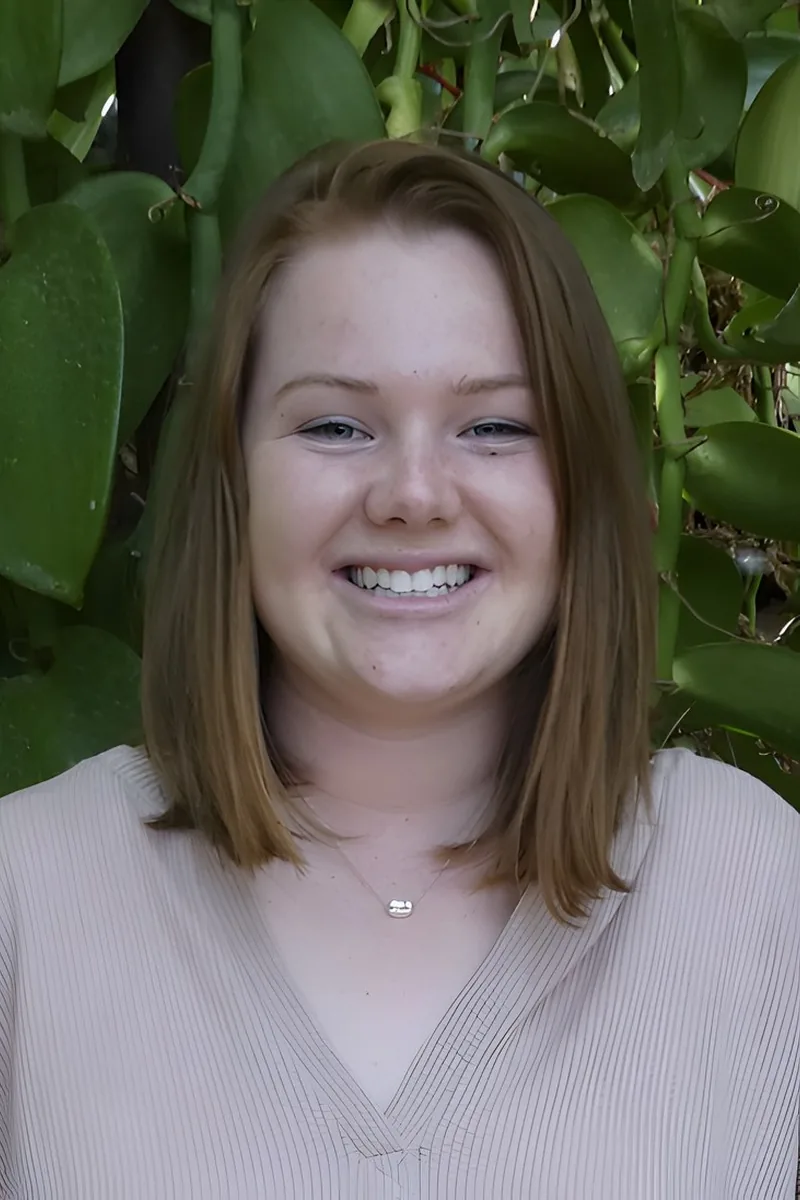
Traveling has shaped how Mackenzie thinks about geography — connecting physical landscapes, climate patterns, and human migration in ways that go beyond memorizing capitals and borders. She teaches students to read maps as stories about why people settle, move, and build where they do, drawing on her global health studies at Northwestern to show how geography influences real-world outcomes.
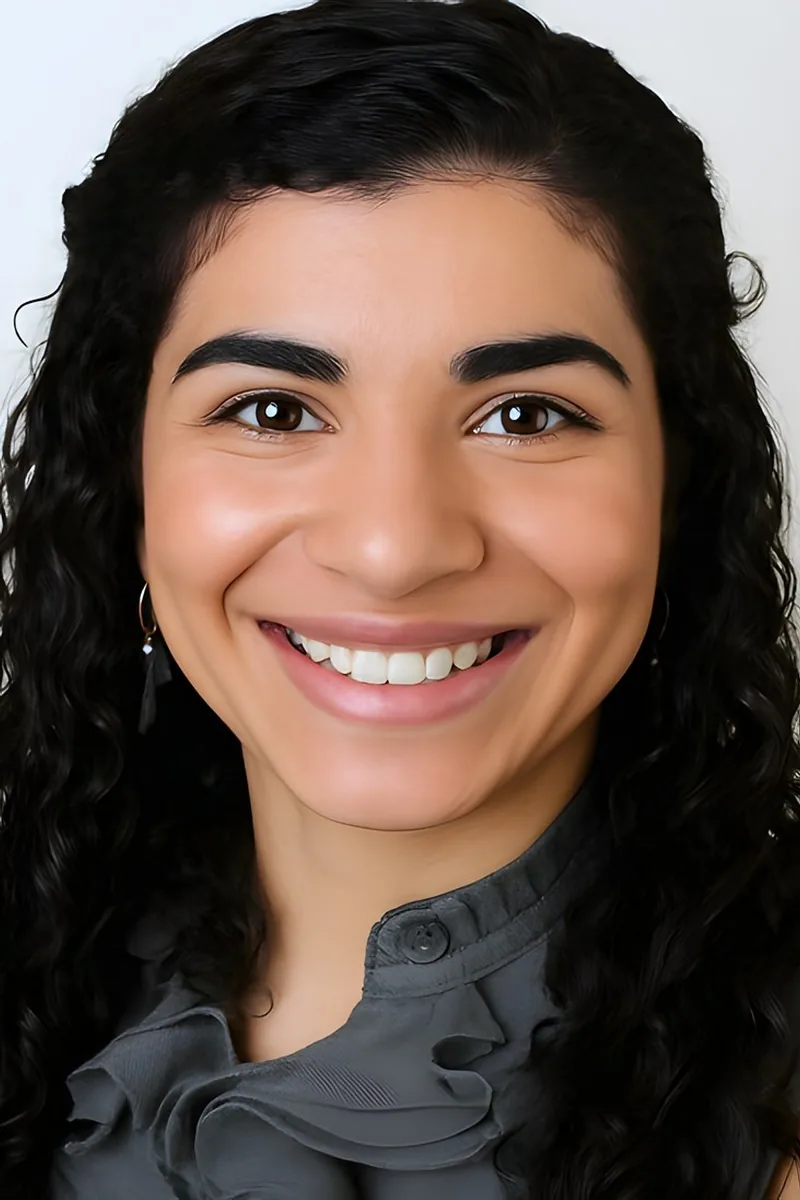
A psychology and communication studies background might not scream geography, but Paula's training in how populations behave and how cultural narratives spread maps neatly onto human geography topics like demographic shifts, cultural diffusion, and why communities form where they do. Her broad science and math tutoring range — from biology to chemistry to elementary science — also means she can explain the physical geography side, connecting climate patterns and natural processes to the human stories layered on top.
Having taught ESL to business professionals in South Korea and elementary students on Chicago's south side, Patrick has firsthand experience with how language, culture, and place intersect — which is exactly what human geography asks students to think about. His linguistics training at the University of Chicago sharpens that further, giving him a framework for explaining how dialects, language families, and cultural identity map onto regions and migration patterns.
Understanding geography means thinking spatially — why cities form where they do, how climate shapes migration, what drives borders to shift over centuries. Jean's Duke degree in Latin American History gave her deep exposure to these questions across an entire continent, from the Andes to the Amazon Basin. She teaches students to read maps, interpret demographic data, and connect physical landscapes to human decision-making.
Physical and human geography often gets taught as a list of capitals and climate zones, which makes it forgettable. Hannah approaches it differently — her History background means she connects geographic concepts like resource distribution, urbanization patterns, and cultural diffusion to the historical events that make them meaningful and easier to retain.
Understanding geography means reading maps, interpreting demographic data, and connecting physical landscapes to human settlement patterns — skills that overlap heavily with Benjamin's economics background. He digs into topics like resource distribution, migration trends, and urbanization by tying them to the economic forces that actually drive them, making the material stick instead of feeling like a list of place names to memorize.
Neuroscience might seem far from geography, but Eileen's training at Vanderbilt in how environments shape brain development and behavior gives her a concrete way into topics like how climate, resources, and physical landscapes influence human settlement and population patterns. She connects the dots between environmental factors and human decision-making — the kind of thinking that makes geographic reasoning click rather than feel like rote memorization of capitals and borders.
Molly's history degree from Columbia University and her classroom teaching across grades 2-4 give her two complementary angles on geography: she understands the deeper connections between physical landscapes and historical events, and she knows how to make those connections accessible to younger learners still building their spatial reasoning skills. She walks students through map reading, landforms, and regional characteristics by tying them to the stories of the people who actually lived there. Rated 5.0 by students.
Years of independent research travel in India — studying Tibetan language and navigating regions where culture, terrain, and political history are inseparable — gave Harry a firsthand feel for how geography operates beyond the textbook. He brings that on-the-ground perspective to topics like how trade routes form, how physical landscapes shape cultural identity, and how regions that look similar on a map can function in radically different ways. His communications and theater training at Northwestern also means he can make those connections vivid and memorable in a lesson.
Ethan's Social Sciences degree at Northwestern gives him a framework for teaching geography as more than map memorization — he digs into how physical landscapes shape migration patterns, resource distribution, and political boundaries. Whether the topic is climate regions, urbanization, or demographic shifts, he connects spatial concepts to the human stories behind them.
An economics degree trains you to think about why industries cluster in certain cities, why some nations export oil while others export labor, and how trade flows follow coastlines and mountain passes — all fundamentally geographic questions. Ryan applies that economic reasoning to topics like resource distribution, urbanization patterns, and how physical landscapes shape the wealth of regions. Rated 5.0 by students.
Two geography degrees and a Fulbright research fellowship give Duncan an unusually deep command of the discipline, from physical landform processes to cultural diffusion and GIS-based spatial analysis. He teaches geography as a way of thinking about how places are connected rather than as a list of capitals and borders to memorize.
Dylan treats geography as a lens for understanding why communities develop where they do — connecting physical features like watersheds and climate zones to human settlement patterns and resource distribution. His experience living in different communities around the world gives him concrete examples that make spatial concepts click beyond the textbook map.
Public policy training at Northwestern meant Nathaniel spent years analyzing how government decisions intersect with demographics, land use, and regional resource allocation — skills that translate directly to geography topics like urbanization, political boundaries, and economic development across regions. His 34 ACT composite and broad social studies range across government, history, and AP comparative politics give him multiple entry points for explaining why places develop the way they do.
A marketing and Spanish double major picks up geographic thinking almost by accident — understanding how consumer behavior shifts across regions, how language boundaries redraw cultural maps, and why location drives everything from brand strategy to trade patterns. Jack brings that cross-disciplinary lens to topics like economic geography, cultural diffusion, and how Spanish-speaking regions connect through shared history and commerce rather than just proximity on a map.
Most students think of geography as memorizing capitals and rivers, but Alexander approaches it as the study of why people, resources, and power are distributed the way they are. His European history background gives him a strong spatial sense of how physical geography shaped trade routes, colonial boundaries, and migration patterns — context that makes the subject click at the high school or college level.
Studying Asian and Middle Eastern Studies at Duke means Caitlin spends her coursework tracing how cultural regions form, overlap, and shift — why the Silk Road followed certain corridors, how monsoon patterns shaped settlement across South and East Asia, and where linguistic boundaries don't match political ones. That regional-studies training translates directly to geography topics like cultural diffusion, climate's influence on human development, and reading thematic maps with real analytical depth. Rated 5.0 by students.
Studying international relations at BYU with a Middle Eastern focus gave Gary firsthand experience connecting physical geography to political outcomes — why borders fall where they do, how resources shape conflict, and what makes regions economically distinct. He teaches geographic concepts through real-world case studies rather than isolated map drills.
A medical degree paired with a public health MPH means Amanda spent years studying how environmental conditions, disease vectors, and population density interact across regions — which is fundamentally geographic thinking. She brings that epidemiological lens to topics like climate zones, resource access, and how physical environments shape where and how communities develop. Rated 4.7 by students.
Peter treats geography as storytelling — connecting physical landscapes to the people and cultures that live within them. His journalism training sharpened his ability to make unfamiliar places feel vivid and real, whether the topic is climate zones, map skills, or how rivers shape settlement patterns.
Too many students think geography is just maps and capitals, but the subject really comes alive when you dig into why populations migrate, how physical landscapes shape economies, and what drives urbanization. Chris lived and worked abroad through the Peace Corps, giving him a concrete frame of reference for concepts like cultural diffusion, development models, and human-environment interaction. That real-world grounding makes abstract geographic theory far easier to grasp.
Years of teaching Latin, Italian, and comparative literature gave Craig a working knowledge of how languages, empires, and cultural movements spread across physical landscapes — the kind of connective thinking that underpins geography at every level. His PhD in English deepened that further through studying how regional identity, place, and environment shape literary traditions across continents. Rated 5.0 by students.
Folklore and mythology are fundamentally geographic — every story tradition is rooted in a specific landscape, climate, and culture, and tracing how those stories migrate and transform reveals the same patterns of diffusion and regional identity that geography courses teach. Cynthia's degree in Folklore & Mythology gives her a narrative toolkit for explaining why certain cultural practices cluster where they do and how physical environments shape the traditions people build around them.
Studying Spanish language and culture across Latin America gave Sydney a firsthand understanding of how physical landscapes, borders, and migration patterns shape communities. She connects geographic concepts like climate zones, population distribution, and cultural diffusion to concrete examples students can visualize and remember.
Most students think geography is just maps and capitals, but the subject really comes alive when it connects physical landscapes to human migration, economic systems, and cultural diffusion. Max approaches geography through that human lens, tying concepts like urbanization patterns or resource distribution to the historical and psychological forces behind them.
Researching how natural sciences can advance the study of anthropology and history — David's current PhD work — means constantly mapping how environments, resources, and terrain shape the societies that develop within them. That interdisciplinary training at Columbia and the University of Chicago gives him a computational edge for interpreting GIS data, demographic datasets, and spatial patterns that increasingly define modern geography coursework. Rated 4.9 by students.
I am a graduate of the Master's program at the School of Education at St. John's University, and a graduate of the undergraduate English program at Washington University in St. Louis. I am currently eligible to teach 7th to 12th grade English in a New York City school under the Initial Certificate, and have a combined three years of experience in the Department of Education. I have a significant background in tutoring, including test prep, English, Mathematics, and Social Studies. My extensive background in education, coupled with my intense desire to bring about positive change in the lives of New York City school children and my belief in the importance of using emerging educational technologies to engage with and enrich the education of students, has made me both a successful teacher, and a popular tutor.
Julian approaches geography through a political lens, connecting physical and human geography concepts — migration patterns, resource distribution, border disputes — to the governmental and policy forces that shape them. His political science background gives him a framework for explaining why populations concentrate where they do and how political boundaries reshape cultural landscapes.
Physical and political geography come alive when students see how landforms, climate zones, and resource distribution actually shape economies and conflicts. Christopher's economics background means he naturally connects geographic concepts — like why certain ports became trade hubs or how the Sahel's climate drives migration patterns — to the human systems they influence.
Most students think of geography as memorizing capitals, but the real challenge is understanding spatial relationships — why cities form where they do, how climate shapes economies, what physical features mean for migration patterns. Felix's analytical training in mathematics at UChicago gives him a sharp eye for the data-interpretation and map-reading skills that geography actually requires.
Between his Global Studies minor and time traveling across the U.S. and Europe, Jay connects geographic concepts — physical landforms, demographic patterns, cultural diffusion — to places he's actually encountered. He makes topics like climate zones and spatial organization concrete rather than abstract, which is especially useful for students who struggle with map-based analysis.
Understanding geography means reading landscapes the way you'd read a text — asking why cities cluster along rivers, how climate shapes agriculture, or what drives migration patterns across borders. Jonathan approaches the subject through the lens of human culture and belief systems, connecting physical geography to the communities that inhabit it. His background in philosophy and theology adds depth to discussions of how people relate to place.
A psychology degree gives Katelyn a behavioral science angle on geography — she can explain how cognitive development shapes spatial reasoning, why people form attachments to place, and what psychological factors drive migration and settlement decisions. Her strong quantitative background across math and biostatistics also means she's comfortable walking through population data, demographic models, and the kind of chart-heavy analysis that geography coursework increasingly demands.
Studying child development at Vanderbilt means Elena spends a lot of time on how environments shape the way people grow — a question that scales directly into geographic thinking about how climate, resources, and regional characteristics influence communities and cultures. Her AP Human Geography and AP European History teaching range gives her concrete examples of how physical landscapes drive migration, urbanization, and political organization. Rated 5.0 by students.
Studying both history and neuroscience at Rice University gives Nathan an unusual double lens for geography — he sees how physical environments shaped civilizations, and he understands how the brain actually encodes spatial information like map reading and regional patterns. That combination means he can break down topics like climate-driven migration or political boundary formation while also coaching students on techniques that make geographic knowledge stick. Holds a 5.0 rating.
Understanding geography means more than memorizing capitals — it's about grasping how physical landscapes, climate patterns, and human migration shape one another. Mary's background teaching both history and science at UC Berkeley's Lawrence Hall of Science gives her a unique lens for connecting geographic concepts like resource distribution and urbanization to real-world case studies. Rated 5.0 by students.
Philosophy trains you to examine how ideas about space, territory, and belonging get constructed — and Adam carries that habit into geography, asking students to think critically about why we draw borders where we do and how concepts like "region" or "nation" aren't just physical but deeply conceptual. His broad humanities range across world history, world religions, and Latin gives him a wealth of examples for tracing how trade routes, empires, and belief systems carved up the map in ways that persist today.
Understanding geography means more than memorizing capitals and borders — it's about grasping how physical landscapes shape human migration, resource distribution, and cultural development. Conor's background in cultural anthropology at UCLA centered on exactly this relationship between people and place, making him especially effective at teaching spatial reasoning and human-environment interaction.
Studying biology through the lens of evolution and bioanthropology — Alex's graduate focus — means constantly asking how environments shaped human populations over time, from migration routes dictated by ice sheets to settlement patterns driven by available food sources. That evolutionary perspective gives geographic concepts like climate zones, resource distribution, and population movement a deep biological logic. A bilingual English-Spanish speaker, Alex also draws on cross-cultural fluency to make human geography topics feel grounded rather than abstract.
An anthropology degree and a PhD in history mean Eric has spent years studying how cultures develop in response to their physical surroundings — the kind of thinking that sits at the core of geography. He digs into how terrain, climate, and resource access shaped everything from ancient trade networks to modern political boundaries, drawing on his deep knowledge of world history and world religions to show why places look and function the way they do.
Testimonials
Because the right Geography tutor makes all the difference.
Average Session Rating – Based on 3.4M Learner Ratings
Practice Geography
Free practice tests, flashcards, and AI tutoring for Geography
Top 20 Social Studies Subjects


Top 20 Subjects
Frequently Asked Questions
Students often find physical geography concepts challenging—particularly understanding how climate systems, plate tectonics, and erosion processes interact across regions. Human geography topics like cultural diffusion, geopolitical conflicts, and economic inequality also require students to synthesize multiple perspectives and avoid oversimplification. Many students struggle to move beyond memorizing capitals and borders to understand the 'why' behind spatial patterns, such as why certain regions develop differently or how human activity shapes landscapes. A tutor can help you develop the analytical frameworks needed to explain these patterns rather than just describe them.
Map and data interpretation requires learning to identify patterns, scale, projections, and what information is being emphasized or omitted. Many students read maps passively, but strong geographic analysis means asking critical questions: Why did the mapmaker use this projection? What does the color gradient actually represent? How does this data change at different scales? Tutoring can teach you systematic approaches to extracting meaning from choropleth maps, flow maps, climate diagrams, and statistical visualizations—skills essential for AP Human Geography and college-level work. You'll learn to move beyond 'what does the map show' to 'what does this reveal about geographic processes.'
Geographic theories like central place theory, dependency theory, or the demographic transition model can feel abstract until you practice connecting them to specific regions and situations. The challenge is understanding not just what the theory says, but when it applies, when it breaks down, and how to use it as an analytical lens rather than a checklist. A tutor can guide you through analyzing a case study by first identifying which geographic concepts are at play, then building evidence-based arguments about causation and spatial relationships. This skill is critical for essays, AP exams, and college geography work where you're expected to think critically about competing explanations.
Geography students frequently encounter data showing that two things vary together—like urbanization and pollution levels, or education levels and fertility rates—but confusing correlation with causation leads to oversimplified arguments. The key is understanding the mechanisms: What are the actual processes connecting these variables? Are there confounding factors? Is the relationship bidirectional? Tutoring helps you develop the critical thinking skills to interrogate geographic claims, recognize when additional research is needed, and construct arguments that acknowledge complexity. This is especially important for AP Human Geography essays and research projects where examiners reward nuanced thinking over simple cause-and-effect statements.
Geography writing requires more than citing statistics—you need specific, localized examples that demonstrate your understanding of place and process. Strong evidence includes concrete case studies (naming the region and explaining its relevance), data with proper attribution and context (not just 'most people live in cities' but 'as of 2023, 56% of the global population is urban'), and acknowledgment of how evidence varies across scales and regions. A tutor can help you move beyond generic examples to selecting evidence that directly supports your geographic argument and explaining the 'so what'—why this example matters to your thesis. Learning to integrate maps, demographic data, and place-based examples into cohesive arguments is a skill that strengthens both high school essays and college-level work.
One of the biggest challenges in Geography is moving beyond stereotypes and generalizations to understand internal diversity within regions. Students often fall into patterns like treating 'Africa' or 'the Middle East' as monolithic, or assuming all developing nations follow the same trajectory. Strong geographic thinking requires recognizing variation within regions, understanding how power, history, and inequality shape different outcomes, and resisting deterministic thinking (like assuming climate determines development). A tutor can help you develop habits of critical analysis—asking whose perspective is represented in your sources, considering counterexamples, and building arguments that honor complexity. This approach not only improves your academic work but develops more informed global citizenship.
Scale—whether you're analyzing local neighborhoods, cities, nations, or global systems—fundamentally changes how geographic processes work and what explanations make sense. A phenomenon like income inequality might be explained by local labor markets at the city scale, but by global trade patterns at the international scale. Many students struggle to recognize when they need to shift scales or how processes at one scale influence another (like how global climate patterns affect local weather). Tutoring helps you develop the habit of asking 'at what scale does this process operate?' and 'what happens when I zoom in or out?' This analytical skill is essential for understanding interconnected geographic systems and avoiding incomplete explanations.
AP Geography exams reward students who can synthesize information across multiple geographic concepts, apply frameworks to unfamiliar case studies, and construct evidence-based arguments under time pressure. Beyond knowing content, you need to develop strong map-reading skills, the ability to identify which geographic theory is most relevant to a prompt, and practice writing concise explanations that connect specific examples to broader patterns. Many students can recite definitions but struggle to apply them analytically or to explain causation without oversimplifying. A tutor experienced in AP preparation can help you move beyond content review to developing the strategic thinking and time management skills needed to earn top scores, plus provide targeted feedback on your written responses.
Let’s find your perfect tutor
Answer a few quick questions. We’ll recommend the right plan and match you with a top 5% tutor.