Award-Winning World History
Tutors
World History
Tutors
Private 1-on-1 tutoring, weekly live classes for academic support, test prep & enrichment, practice tests and diagnostics, and more to elevate grades and test scores.
Based on 3.4M Learner Ratings
UniversitiesSchools & Universities
DeliveredHours Delivered
ProficiencyGrowth in Proficiency
Who needs tutoring?
No obligation. Takes ~1 minute.
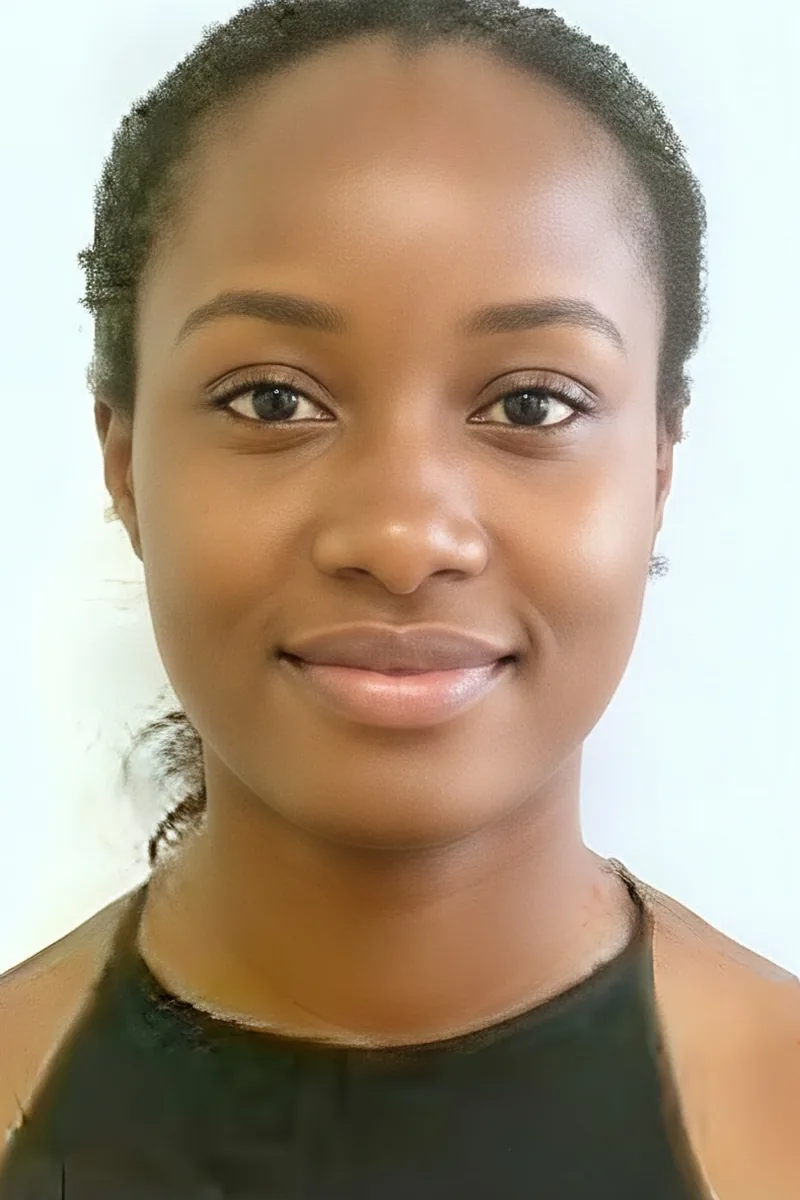
Solange approaches world history the way her Harvard sociology courses did — by asking how systems of trade, religion, and power shaped everyday life across civilizations. Instead of memorizing dynasty names and battle dates, students learn to trace cause-and-effect chains: why the Silk Road transformed cultures, how colonialism restructured entire economies, what drove revolutionary movements from France to Haiti. That analytical framework makes both essays and exams significantly easier.
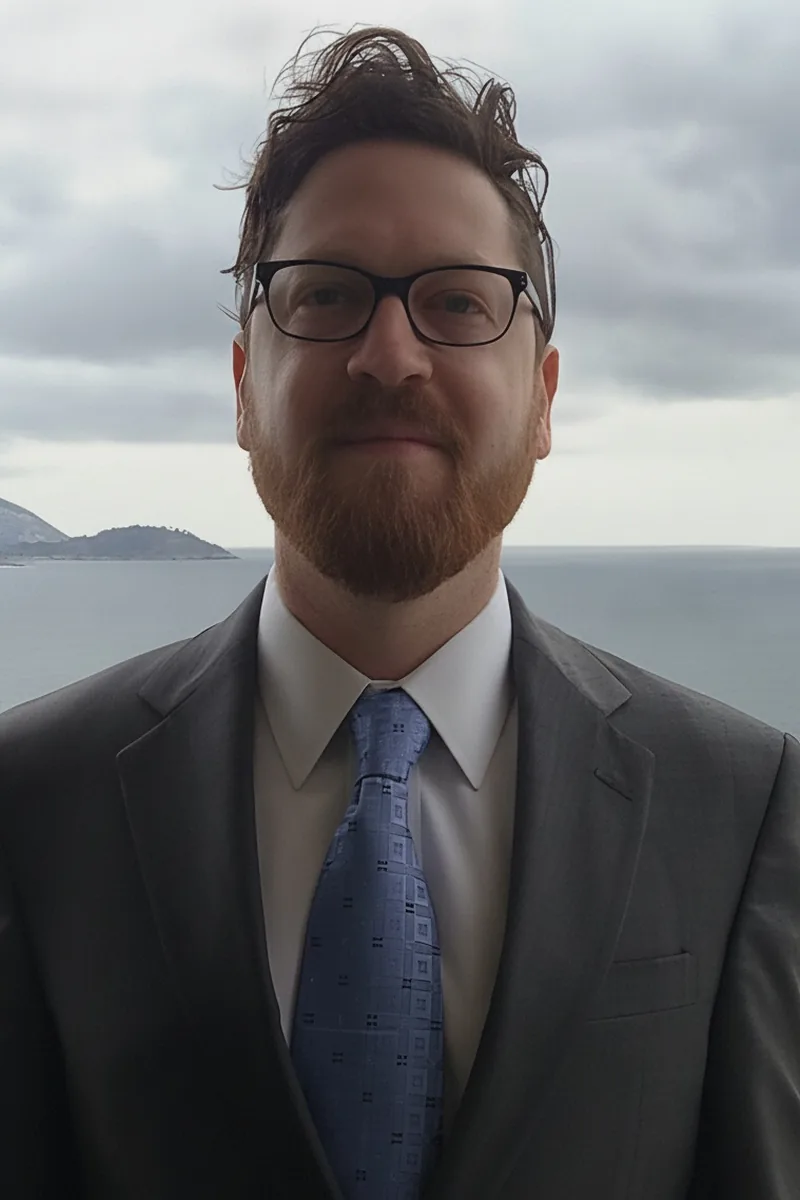
Teaching history and philosophy to undergraduates at UC Berkeley meant Jeff had to show students how ideas — Enlightenment rationalism, Marxist materialism, religious reform movements — actually drove the political upheavals they were studying. That philosopher's instinct for interrogating why people believed what they believed gives his world history teaching unusual depth on topics like the spread of Islam, the French Revolution, or decolonization. He holds a master's in history from Berkeley and earned a 1550 SAT, so he's equally comfortable coaching the analytical writing these courses demand.
Studying international affairs at Northwestern means Parag thinks in the kind of cross-regional comparisons that world history courses demand — how the Mongol Empire reshaped Eurasian trade, or why industrialization unfolded differently in Europe and East Asia. He teaches students to see historical events as connected processes rather than isolated facts, which makes both essay writing and exam prep far more manageable.
Few tutors bring both an honors history degree and formal training in education to world history — John has both. He teaches students to trace cause-and-effect chains across civilizations, whether they're connecting Mongol trade routes to the Black Death or analyzing how industrialization reshaped colonial empires. His 5.0 rating speaks to how well that combination lands.
Tracing how the Silk Road reshaped economies or why the Ottoman and Mughal empires developed parallel bureaucratic structures requires a kind of comparative thinking most students haven't practiced before. Kristin's interdisciplinary background in biology and philosophy taught her to identify patterns across complex systems, and she applies that same analytical lens to world history's sweeping timelines.
Keeping centuries of civilizations, revolutions, and cultural shifts straight requires more than memorization — it requires a framework. Ayako teaches world history by organizing events around recurring themes like power, trade, and belief systems, so students can see why the fall of Rome and the collapse of the Han Dynasty share structural causes. Her English background also means she's sharp at helping students write clear, evidence-driven history responses.
Evan's independent research at Northwestern — where he wrote and presented original work to fellow students — taught him that history clicks when you build your own argument from the ground up, not when you passively absorb a textbook's summary. He brings that same approach to world history, walking students through how to read a primary source, identify the author's agenda, and connect it to broader shifts like imperialism or religious reform. His English minor and 1510 SAT reinforce the writing and analytical chops that document-based essays demand.
Memorizing dates and dynasties only gets a student so far in world history; the real challenge is explaining why the Mongol Empire reshaped Eurasian trade or how the Atlantic slave trade transformed three continents simultaneously. Jonathan approaches history as a series of cause-and-effect arguments, drawing on his political science training at the University of Chicago. He connects events across regions so students see the larger systems instead of isolated timelines.
Studying political science at Stanford means Margaret constantly traces how modern institutions grew out of centuries of global conflict, revolution, and diplomacy. She brings that lens to world history, teaching students to see connections across civilizations — why the fall of one empire echoes in the rise of another, or how trade routes reshaped cultures from Song Dynasty China to medieval Europe.
Understanding world history requires the same skill Patrick drills in his literature sessions: reading a source critically and building an argument from evidence. His University of Chicago education emphasized interdisciplinary thinking across history, literature, and culture, which means he can connect events like the Columbian Exchange or the Industrial Revolution to the broader social and intellectual currents that drove them. He's especially effective at teaching students to write the kind of document-based responses that history courses demand.
Most world history courses move fast — from river valley civilizations to globalization in a single year — and students often struggle to see the throughlines connecting one era to the next. Jean's training at Duke in Latin American History taught her to trace those long arcs: how colonialism reshaped trade networks, how revolutions in one region echoed across oceans, how Cold War alliances redrew the map. She unpacks these connections so students can write essays that demonstrate real historical thinking, not just recall.
Living and working across three continents — including stints in Russia and China — gave Cole a firsthand sense of how different societies remember and teach their own histories. He brings that global perspective to world history, connecting trade networks, empire-building, and cultural exchange to patterns students can trace from ancient civilizations through the modern era.
MaryAnn approaches world history as a story of connected systems — trade networks, religious movements, colonial legacies — rather than isolated chapters organized by region. Her background in English and psychology gives her a distinctive lens for analyzing primary sources, helping students read historical documents the way a writer reads a text: for subtext, audience, and intent.
Understanding world history means tracing connections — how the Silk Road shaped economies, how the Reformation reshaped political borders, how colonialism created patterns still visible today. Paula's psychology background gives her a unique lens for explaining why civilizations rise, clash, and transform, turning abstract timelines into human stories that stick.
Understanding the Columbian Exchange or the collapse of the Ottoman Empire means tracing how trade, disease, and ideology reshaped entire civilizations — not just memorizing dates. Hannah holds a BA in History and brings a writer's instinct for narrative, turning sprawling world events into coherent stories students can actually retain and analyze on exams.
History becomes far more interesting when it's treated as a set of competing narratives rather than a list of dates and treaties. Ian unpacks major turning points — the collapse of the Roman Republic, the dynamics behind World War I's alliance system, decolonization movements — by connecting political, economic, and cultural forces into a coherent story. His analytical mindset makes him especially effective at teaching students to write evidence-driven historical arguments.
Studying art history and archaeology across civilizations gave Elena an unusual entry point into world history: she reads cultures through their material objects, architecture, and visual records. Whether the topic is the spread of Islam along Indian Ocean trade routes or industrialization's impact on colonial economies, she connects the tangible evidence to the larger narrative so concepts stick.
Teaching World History to 10th graders and Global Studies to 8th graders gave Bradley a sharp sense of how to make sprawling timelines — from the Silk Road trade networks to Cold War proxy conflicts — feel connected rather than random. He earned his history degree from Washington University in St. Louis and later completed a Master's of Education in Social Studies at the University of Minnesota. His approach treats history as a series of cause-and-effect chains rather than isolated dates to memorize.
Keeping world history straight isn't about memorizing dates — it's about understanding why the Mongol Empire and the Atlantic slave trade reshaped economies in structurally similar ways. Alexander, a history major at Vanderbilt, teaches students to organize vast timelines around recurring themes like state-building, cultural exchange, and economic systems. That thematic approach makes essay exams and class discussions far more manageable.
Connecting events across civilizations — why the Silk Road reshaped economies, or how colonialism's effects ripple into modern borders — requires more than memorizing dates. Aditi teaches students to trace cause-and-effect chains and build document-based arguments, skills she sharpened through her own broad liberal arts coursework at Cornell.
Connecting the fall of Rome to the rise of Islamic empires, or linking the Columbian Exchange to modern globalization — world history clicks when students see the cause-and-effect chains running through it. Nima's strength is building those logical threads, drawing on the same systematic thinking that drives his physics work at Duke.
Having majored in history at Harvard, Matthew brings genuine depth to world history — he doesn't just summarize textbook chapters but digs into the political and cultural forces behind events like the Protestant Reformation or the collapse of dynastic China. His comfort teaching writing alongside history means he also coaches students on constructing the kind of evidence-driven essays that AP and college-level courses demand.
Daniel's triple major in History, Biology, and Arts at Cornell means he naturally sees world history through multiple lenses — how plague reshaped medieval Europe, how agricultural innovation enabled empire, how artistic movements reflected political upheaval. That interdisciplinary instinct makes him especially effective at teaching the kind of cross-regional, thematic analysis that AP and college-level world history courses demand.
Harry's time at Northwestern and his ongoing independent research in India — where he studies Tibetan language and culture — gave him firsthand experience with how civilizations develop, overlap, and influence each other across borders. He brings that cross-cultural perspective into world history lessons, unpacking how religious movements, colonial encounters, and migrations reshaped societies in ways that textbook timelines often flatten. His educator role at the Rubin Museum of Art also sharpened his ability to make ancient and non-Western histories vivid and immediate.
A biochemistry major might seem like an odd fit for world history, but Elijah's science training sharpened exactly the skill that matters most here: tracing how one variable — a plague, a new crop, a shifting trade route — cascades into massive societal change. He teaches students to build those causal chains so they can tackle document-based questions and comparative essays with real analytical structure. Rated 5.0 by students.
While Hasan's degrees are in Literary Arts and Visual Arts rather than history, his coursework at Brown spanned civilizations — from ancient Indian classics to modern Western texts — giving him a narrative framework for connecting historical periods to their cultural output. He approaches world history the way he approaches a complex text: by teaching students to identify cause and effect, weigh competing perspectives, and build arguments from evidence.
Most world history courses sprint through centuries of content, and students lose the thread connecting the Silk Road to colonialism to modern globalization. Caitlin's major in Asian and Middle Eastern Studies at Duke gives her deep familiarity with the civilizations and cross-cultural exchanges that form the backbone of any world history curriculum. She connects political, economic, and cultural developments into narratives students can actually retain.
Double-majoring in history with an education minor means Ava has spent years not just studying the past but learning how to teach it — a combination that shows up in her emphasis on note-taking systems and test strategies tailored to each student's learning style. She's especially effective at helping students organize sprawling content like the rise and fall of empires or shifts in global trade into structures they can actually use on essays and exams.
A Fulbright year in Bogotá gave Sanoja firsthand perspective on how colonial legacies, Cold War politics, and globalization play out in real communities — not just in textbooks. She brings that grounding to world history, connecting broad themes like imperialism and revolution to specific case studies students can use in essays. Her political science background at Yale sharpens the analytical framework she applies to everything from the Silk Road to decolonization.
The hardest part of world history isn't memorizing dates — it's connecting developments across civilizations and explaining why the Columbian Exchange or the Silk Road mattered beyond their immediate context. Jeanette teaches students to build those causal chains and express them clearly in document-based essays. Her emphasis on critical thinking and writing transfers directly to the analytical demands of world history coursework.
Philosophy majors learn to trace how ideas reshape societies — and Dakota applies that training to world history, unpacking how Enlightenment thought fueled revolutions or how Confucian ethics shaped imperial governance across dynasties. With a 33 ACT and a master's degree under her belt, she brings both analytical rigor and strong writing skills to the document-based essays and comparative analyses that world history courses demand.
Tackling world history means making sense of enormous spans of time — why the Mongol Empire reshaped Eurasian trade, how the Columbian Exchange transformed demographics on four continents, what drove decolonization in the twentieth century. Morgan's dual focus on English literature and international studies at WashU trained her to read primary sources critically and construct arguments that link cause, context, and consequence across civilizations.
Understanding world history means tracing how civilizations influenced each other — how Silk Road trade reshaped economies, how the Columbian Exchange transformed diets and demographics, how colonial legacies still shape modern borders. Craig's PhD in English trained him to read primary sources critically, a skill he applies to analyzing treaties, propaganda, and firsthand accounts across eras and regions.
Kathryn's high school years were built around a rigorous AP course load and an inaugural STEM program, which means she approaches world history with the same analytical habits she brings to engineering problems — asking how technological advances like gunpowder or the printing press actually restructured political and economic power. Now a history major at Notre Dame, she's especially strong at helping students connect developments across regions, like linking Mongol trade networks to the spread of the Black Death. Her 35 ACT speaks to the kind of disciplined, cross-subject thinking that world history rewards.
Reading history well means reading critically — evaluating sources, identifying bias, and constructing narratives from incomplete evidence. John brings the close-reading skills from his English and drama training to world history, showing students how to analyze primary documents the same way they'd break down a complex text.
Studying ancient history at Yale meant tracing how civilizations influenced each other across centuries — exactly the kind of cross-cultural, long-arc thinking that world history courses require. Justin teaches students to identify patterns like the spread of trade networks, religious exchange, and imperial administration rather than treating each civilization as an isolated chapter. His 5.0 rating speaks to how well that approach clicks.
Understanding world history means tracing connections — how Silk Road trade networks reshaped religions, or why the collapse of one empire triggered migrations that toppled another. Zovinar's humanities training at Penn sharpens that kind of cross-cultural analysis, turning a sprawling timeline into a coherent story. Rated 5.0 by students.
Most world history courses move so fast that students end up memorizing dates without understanding why empires rose or trade routes mattered. Bryan takes a different approach, connecting political, economic, and cultural developments so that the fall of Rome or the spread of Islam makes sense as part of a larger pattern. His Dartmouth history degree and 5.0 student rating reflect how well that framework clicks for learners at every level.
Studying world history at the graduate level at both Columbia and the University of Chicago, David learned to trace connections across civilizations rather than treat each one as an isolated chapter. He teaches students to analyze themes like state formation, trade networks, and cultural exchange across periods — the kind of comparative thinking that transforms a timeline of facts into genuine historical understanding.
Memorizing dates and treaties only gets a student so far in world history; the real challenge is explaining why empires rise, economies shift, and revolutions spread. Rebecca's degree in international development and sociology means she naturally teaches history through the systems — trade networks, colonial legacies, demographic change — that connect events across regions and centuries.
Testimonials
Because the right World History tutor makes all the difference.
Average Session Rating – Based on 3.4M Learner Ratings
Top 20 Social Studies Subjects


Top 20 Subjects
Frequently Asked Questions
World History presents several unique learning obstacles. Many students struggle with memorizing vast amounts of content spanning multiple centuries and civilizations, while others find it difficult to connect historical events to broader themes and cause-and-effect relationships. Additionally, analyzing primary sources, understanding different perspectives, and synthesizing information from multiple time periods can feel overwhelming in a traditional classroom setting where pacing is fixed. Personalized tutoring helps by focusing on your specific challenges—whether that's mastering timelines, improving essay analysis, or deepening conceptual understanding—rather than moving through material at a one-size-fits-all pace.
In a classroom, teachers must balance the needs of 20-30+ students with varying skill levels and learning styles. Personalized tutoring allows a tutor to adapt their approach specifically to your learning style, academic goals, and pace. If you need extra time understanding the Industrial Revolution's global impact, your tutor can spend focused sessions on that concept. If you're strong on chronology but weak on comparative analysis, lessons can target exactly what you need. This targeted approach helps students move from surface-level memorization to deeper historical thinking—connecting events, evaluating sources, and forming evidence-based arguments about causation and consequence.
Excellent World History tutors combine deep subject knowledge with the ability to break down complex topics into digestible pieces. They understand different curriculum standards (AP World History, IB History, standard high school courses) and can align instruction to what your school emphasizes. Beyond content expertise, the best tutors are skilled at helping students develop critical thinking skills—asking questions that push you to analyze sources, consider multiple viewpoints, and construct nuanced arguments. They also know how to make history engaging by connecting the past to contemporary issues, which helps students see relevance and retain information more effectively.
Absolutely. Essay writing and primary source analysis are core World History skills, and personalized tutoring is particularly effective for developing these. Tutors can teach you structured approaches to historical essays—forming strong thesis statements, using evidence effectively, and constructing arguments about causation. For document analysis, tutors can model how to read sources critically: identifying perspective, bias, context, and reliability. Rather than getting generic feedback on an essay, personalized instruction allows your tutor to identify your specific patterns (perhaps you struggle with topic sentences, or you use quotes without analysis) and practice targeted revisions until the skill becomes automatic.
Rather than rote memorization, effective World History learning involves organizing content into meaningful patterns and stories. Expert tutors teach memory strategies like creating timelines, building thematic webs (connecting how trade, religion, or conflict shaped multiple regions), and using active recall through practice questions and self-testing. The key is understanding why events matter and how they connect, which makes them far easier to retain than isolated facts. Personalized tutoring can help you develop a study system tailored to how your brain works best—whether through visual timelines, narrative summaries, or concept mapping—so studying becomes more efficient and content actually sticks.
AP World History and IB History require not just content knowledge but also strong analytical and writing skills. Tutors experienced with these curricula know the specific themes and skills the exams emphasize—for AP, that's thematic learning and comparison across time periods; for IB, that's historiography and evaluating historical interpretations. Effective exam preparation involves practicing multiple-choice questions and timed essays, receiving detailed feedback on your analysis, and building confidence with the exam format. Personalized tutoring allows you to focus on weaker content areas and skill gaps while reinforcing strengths, which is far more efficient than generic test prep.
Improvement timelines vary based on your starting point and goals. If you're working on specific skills like essay writing or document analysis, many students see noticeable improvement in 4-6 weeks of consistent tutoring. For broader content mastery or exam preparation, a longer-term commitment (2-3 months or more) allows time to cover material deeply, practice retrieval, and build confidence. The key is consistency—regular sessions help knowledge stick better than cramming. Your tutor can set clear, measurable goals with you early on (target essay score improvements, specific concepts to master, or exam score benchmarks) so you can track progress and stay motivated.
Let’s find your perfect tutor
Answer a few quick questions. We’ll recommend the right plan and match you with a top 5% tutor.