Award-Winning High School World History
Tutors
High School World History
Tutors
Private 1-on-1 tutoring, weekly live classes for academic support, test prep & enrichment, practice tests and diagnostics, and more to elevate grades and test scores.
Based on 3.4M Learner Ratings
UniversitiesSchools & Universities
DeliveredHours Delivered
ProficiencyGrowth in Proficiency
Who needs tutoring?
No obligation. Takes ~1 minute.
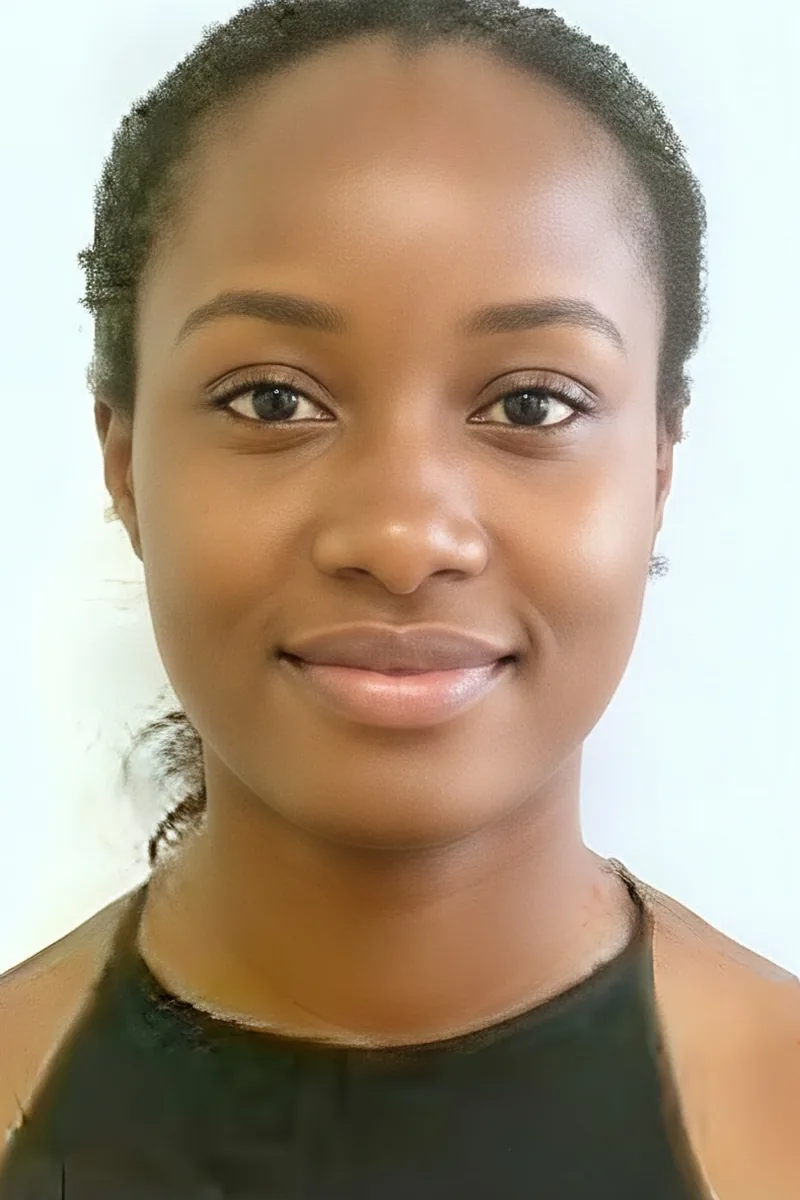
Solange's sociology training at Harvard taught her to trace how power structures, trade networks, and cultural exchange shaped civilizations — exactly the kind of thinking that turns world history from a list of dates into a coherent story. She breaks down complex topics like imperialism, the Reformation, and Cold War geopolitics by connecting them to the social forces driving each era.

Teaching history and philosophy to undergraduates at UC Berkeley meant Jeff had to show students how ideas travel — how Greek political thought resurfaces in Enlightenment Europe, or how religious reform movements reshape economies across continents. His M.A. in history and philosophy training make him especially sharp on the intellectual and cultural currents that world history courses often rush past. He digs into the "why" behind shifts like the spread of Buddhism along the Silk Road or the philosophical roots of revolutionary movements.
Most high school world history students struggle not with the facts themselves but with organizing them into something coherent on an essay or exam. Parag tackles that problem head-on, teaching students to build timelines around cause-and-effect chains — linking, say, the Columbian Exchange to demographic shifts to new labor systems — so the material sticks as a story rather than a list of disconnected events.
From the spread of major religions to the economic forces behind European colonialism, high school world history covers an enormous range of material that's hard to keep straight without a framework. Kristin breaks the course into thematic threads — trade networks, empire-building, cultural exchange — so students can see connections across regions and centuries instead of memorizing isolated facts.
The jump from memorizing facts to constructing historical arguments is where most high school world history students struggle. John, who earned honors in history as an undergraduate, teaches students to read documents like a historian — identifying bias, sourcing context, and building evidence-based claims that go well beyond "what happened" into "why it mattered."
Studying English literature at Trinity College Dublin means Ayako reads history through primary texts — letters, speeches, propaganda — which is exactly the skill world history courses test on document-based questions. She teaches students to pull arguments from sources on topics like imperialism or the French Revolution and build them into essays with clear, defensible thesis statements. Rated 5.0 by students.
A University of Chicago political science degree means Jonathan studied world history not as a list of dates but as interconnected political systems — how the Treaty of Westphalia shaped sovereignty, or why industrialization triggered different revolutions across continents. He teaches students to trace cause-and-effect chains across eras, turning sprawling timelines into arguments they can actually reason through.
The jump from memorizing timelines to writing analytical essays catches many high school world history students off guard. Jean tackles that transition directly, teaching students how to structure compare-and-contrast and causation essays using specific historical evidence rather than vague generalizations. Her Latin American History degree from Duke gives her particular depth on topics like the Columbian Exchange, Atlantic slave trade, and twentieth-century independence movements.
Living and studying in Amsterdam gave Cole a firsthand perspective on how trade routes, colonialism, and shifting alliances shaped the modern world — exactly the kind of material that fills a world history curriculum. He connects events like the rise of mercantilism or the fall of empires to their economic drivers, making cause-and-effect chains easier to remember and analyze on exams.
From the fall of Rome to the Cold War, world history covers so much ground that students often struggle to see the throughlines connecting one era to the next. Evan teaches students to identify recurring patterns — trade networks, power consolidation, cultural exchange — so that each new unit builds on what came before rather than feeling like a fresh start.
From the fall of Rome to the Cold War's proxy conflicts, Ian teaches world history by connecting broad patterns across civilizations rather than isolating each unit. His analytical training as a Yale physics major gives him a knack for breaking down complex geopolitical dynamics — trade networks, imperial expansion, ideological clashes — into clear, logical narratives students actually remember.
From the spread of Islam across North Africa to the economic forces behind European colonialism, high school world history covers an enormous range of material that can feel overwhelming without a framework. Margaret teaches students to organize that sweep of content around recurring themes — state-building, cultural exchange, economic systems — so essay prompts and exams become far more manageable.
The jump to high school world history often catches students off guard: suddenly they're expected to compare civilizations across continents and centuries, not just recall facts from a textbook chapter. Paula breaks down complex topics like the causes of World War I or the spread of major religions into clear cause-and-effect chains that make essay writing and exam prep far more manageable.
A University of Chicago education steeped in interdisciplinary thinking gives Patrick a knack for connecting the threads of world history — tracing how trade networks, religious movements, and colonial encounters shaped civilizations across centuries. He emphasizes document-based analysis and essay construction, teaching students to move from raw historical evidence to a coherent, well-supported argument.
When a high school world history class suddenly jumps from the Ming Dynasty to the Enlightenment in two weeks, it's easy to lose the thread. Hannah connects those leaps by teaching students to spot recurring patterns — how empires consolidate power, why revolutions cluster in certain eras — so the material hangs together instead of feeling random.
The biggest challenge in high school world history usually isn't the content — it's organizing vast amounts of information into clear, defensible arguments on timed essays and DBQs. MaryAnn breaks down that process by teaching students to identify patterns across civilizations, whether they're comparing the fall of empires or the spread of belief systems. Her English background makes her especially effective at strengthening the written analysis that separates good answers from great ones.
The jump into high school World History often catches students off guard because it demands essay writing and document analysis, not just recall. Bradley has taught this exact course to 10th graders, walking students through everything from Mesopotamian civilizations to post-colonial independence movements. His Master's in Social Studies Education gives him a toolkit of strategies for making dense content — trade routes, religious spread, revolutionary movements — stick.
I'm a current PhD student in the history department at Georgetown University who is also an experienced instructor with Varsity Tutors. As a recipient of several degrees, the most recent being a BA in history from Hillsdale College and a MA in Russian, East European, and Eurasian Studies from Stanford University, I have long sought to make teaching my profession. Meanwhile, as a volunteer grade school teacher and a tutor with this company, I have many years' experience helping students reach their full potential. I am capable of teaching students in many subjects, including reading, mathematics, test prep, Latin, and especially writing, history, and literature. In practice, I am comfortable adapting to different learning styles and specific student preferences. Outside of my academic and career endeavors, I enjoy cooking, reading, and listening to and making music.
Timelines and map quizzes only scratch the surface — the real challenge in world history is explaining *why* civilizations rose, interacted, and collapsed. Abrahim teaches students to identify causal chains, from the Silk Road's economic effects to the political consequences of colonialism, and articulate those connections in clear, evidence-backed writing.
Making world history feel relevant instead of overwhelming is Elena's approach — she picks a concrete artifact or image from each era and uses it to anchor the bigger story, whether that's a Mesopotamian cylinder seal or a Cold War propaganda poster. Her background in archaeology and art history means she always has a vivid example ready to make abstract concepts like cultural diffusion or imperialism click.
Connecting civilizations across time and space is what makes world history click — understanding why the Ottoman and Mughal empires developed parallel bureaucratic structures, or how the Columbian Exchange reshaped economies on four continents. Harry draws on his own cross-cultural research in India and his Northwestern education to make those connections vivid and memorable for high school students.
Most students struggle in world history not because the content is hard, but because there's so much of it — six periods, dozens of civilizations, overlapping timelines. Nima's approach is to organize that flood of information into clear thematic categories like state-building, economic systems, and cultural exchange, making review sessions far more efficient.
A biochemistry major might seem like an unlikely world history tutor, but Elijah's science training actually sharpens one of the hardest skills the course demands: reading dense source material and pulling out the argument buried inside it. He applies that same analytical rigor to document-based questions, teaching students to dissect a passage from Machiavelli or a Cold War treaty the way he'd break down a research paper — claim first, evidence second, context last. Rated 5.0 by students.
The toughest part of high school world history for most students isn't the content — it's learning to think comparatively across civilizations and time periods. Hasan's coursework at Brown covered literary and artistic traditions spanning ancient India to modern America, and he uses that breadth to connect cultural movements to the political and economic forces behind them.
The jump from memorizing timelines to actually analyzing historical change trips up a lot of high school students, especially when world history covers everything from Mesopotamia to the Cold War in a single year. Alexander's Vanderbilt history training gives him a knack for showing students how to spot patterns — like recurring causes of revolution — that make the sheer volume of material manageable.
Understanding world history means tracing connections — how the Silk Road shaped both Tang Dynasty economics and medieval European trade, or why the French Revolution echoed across Latin America. Daniel studied history at Cornell and approaches each era as a web of cause and effect, teaching students to build arguments that link events across regions and centuries.
Most world history courses cover so much ground that students lose the thread connecting ancient empires to modern nation-states. Bethany's approach is to anchor each unit around a driving question — why do civilizations rise and fall, how do belief systems spread, what makes revolutions succeed — so that facts stick to a framework instead of floating loose. Her master's work on world religions at Duke gives her particular depth on the cultural and intellectual movements that tie global history together.
From the rise of the Ottoman Empire to the causes of World War I, high school world history covers an enormous range of material that can feel overwhelming without a framework. Aditi teaches students to organize content thematically — political power, economic systems, cultural exchange — so they can draw comparisons across regions and time periods instead of memorizing isolated facts.
The trickiest part of high school world history is often the sheer scope — jumping from Mesopotamia to the Ming Dynasty to the Industrial Revolution in a single semester. Matthew, who majored in history at Harvard, breaks these eras into thematic threads like state-building and cultural exchange so students can see patterns instead of drowning in isolated facts.
World History courses cover enormous spans of time, and the students who struggle most are usually the ones trying to memorize events in isolation rather than tracing connections across regions and eras. Olivia breaks units into thematic threads — trade networks, empire-building, cultural exchange — so students can see how the Silk Roads and the Columbian Exchange are part of the same larger story. That structural approach makes both essays and exams far more manageable.
Keeping track of dynasties, empires, and revolutions across multiple continents can feel overwhelming without a clear framework. Ava breaks world history into thematic threads — like how the Silk Road connected economies or how Enlightenment ideas rippled beyond Europe — so students see patterns instead of isolated facts. Her education minor means she also teaches the study and test-prep strategies that make exam day less stressful.
Studying Asian and Middle Eastern Studies at Duke gives Caitlin a lens most world history tutors lack — she connects civilizations across regions, whether tracing Silk Road trade networks or comparing the Ottoman and Mughal empires. She teaches students to analyze primary sources and build arguments that link causes across centuries, not just memorize dates and dynasties. Rated 5.0 by students.
The jump into high school world history often catches students off guard: suddenly they're expected to write document-based essays and connect events across centuries and continents. Craig breaks down those skills explicitly, teaching students how to read a political cartoon from the French Revolution or a passage from Mao's writings and turn their observations into structured arguments. His 5.0 rating speaks to how well that approach clicks.
Most high school world history courses cover everything from ancient Mesopotamia to globalization in a single year, which means students often feel like they're drowning in disconnected facts. Ben, a practicing high school history teacher, organizes the material around recurring themes — trade networks, empire-building, religious spread — so students can see patterns instead of just memorizing timelines.
Most world history courses sprint through entire civilizations in a week, leaving students overwhelmed by names and dates with no connective thread. Sanoja slows down on the causal chains — why did the Ottoman Empire decline, how did industrialization in Europe reshape African economies — so students can actually retain and apply what they learn. Her Fulbright experience in Colombia adds a perspective on Latin American history that many tutors lack.
Most high school world history struggles come down to one problem: there's too much material and no obvious way to organize it. Morgan teaches students to spot patterns — how trade networks, religious diffusion, and empire-building repeat across regions and eras — so that details stick to a framework instead of floating loose. Her background in international studies at Washington University makes cross-cultural comparison second nature.
I am most passionate about biology and chemistry. I am a firm proponent of education, believing it to be absolutely necessary for an improved quality of life, and I try to impart this appreciation to all of my students.
A philosophy degree trains you to dissect arguments, identify assumptions, and build claims from evidence — exactly the skills that separate a B from an A in world history. Dakota applies that analytical lens to topics like the rise of empires, the Reformation, and Cold War geopolitics, teaching students to write thesis-driven responses rather than summaries. She's been tutoring since high school and keeps sessions structured but genuinely engaging.
Most high school world history students struggle less with the content itself than with the writing it demands — constructing a DBQ argument or synthesizing evidence across time periods under exam pressure. Jeanette tackles both sides, walking students through the historical content while simultaneously building the essay structure and thesis-writing skills that earn top scores. She treats every writing assignment as a chance to sharpen critical thinking.
The sheer scope of high school world history — from ancient Mesopotamia to the Cold War — can feel overwhelming without a framework for organizing it. David teaches students to identify recurring patterns like empire-building, trade-driven cultural diffusion, and revolution, which turns a massive content load into something manageable. His background in sociology and anthropology also means he can explain why civilizations developed differently, not just what happened.
Testimonials
Because the right High School World History tutor makes all the difference.
Average Session Rating – Based on 3.4M Learner Ratings
Top 20 Social Studies Subjects


Top 20 Subjects
Frequently Asked Questions
Students often struggle with synthesizing broad historical narratives across centuries and continents—understanding how events in different regions connect and influence each other. Other common challenges include distinguishing between correlation and causation in historical events (e.g., whether industrialization caused imperialism or vice versa), analyzing primary source bias and perspective, and constructing evidence-based arguments that move beyond simple chronology. Many students also find it difficult to apply historical frameworks—like examining power structures, economic systems, or cultural exchange—rather than just memorizing dates and names.
Strong primary source analysis requires asking critical questions: Who created this document and why? What was their perspective or bias? What does it reveal about the time period, and what might it obscure? Tutors help students develop a systematic approach—examining context, intended audience, language choices, and what the source reveals about power dynamics or social attitudes. Rather than treating sources as simple "evidence," skilled analysis recognizes that primary sources are themselves historical artifacts that reflect the worldview of their creators, which is essential for understanding causation and historical complexity.
High school World History essays require more than summary—they demand a clear historical argument supported by specific evidence from multiple sources and perspectives. A strong essay presents a thesis that addresses causation or interpretation (not just "what happened"), uses specific examples from different time periods or regions to support claims, and acknowledges counterarguments or alternative interpretations. Tutors help students move beyond descriptive writing by teaching them to construct claims about why events happened, how they connected to larger patterns, and what their significance was—skills that distinguish strong analytical writing from basic recounting.
Comparative analysis—examining similarities and differences across time periods, regions, or societies—is central to World History but requires structured thinking. Rather than listing surface-level similarities, strong comparisons identify underlying patterns: How did different societies respond to similar challenges? What economic or cultural factors explain variations? What does comparison reveal about causation? Tutors teach students to use frameworks (like examining trade networks, power structures, religious influences, or technological adoption) that allow meaningful comparison rather than random observations, helping them see history as interconnected patterns rather than isolated events.
Periodization—dividing history into eras like "Medieval," "Renaissance," or "Modern"—shapes how we understand the past, but these divisions often reflect European perspectives and can obscure non-Western developments. For example, the "Dark Ages" label misrepresents medieval Europe, and dividing history into "pre-modern" and "modern" can minimize ongoing traditions in non-Western societies. Tutors help students recognize that periodization is a tool created by historians, not an objective fact, and that understanding multiple periodization schemes (European, Islamic, East Asian, African) reveals how perspective shapes historical narrative and interpretation.
Historical events rarely have single causes—the fall of empires, revolutions, or cultural shifts typically result from multiple interconnected factors (economic, political, environmental, ideological). Students often struggle to move beyond "X caused Y" to recognizing that causation is complex and sometimes debated among historians. Tutors help students practice identifying multiple contributing factors, distinguishing between immediate triggers and underlying conditions, and understanding that historians may reasonably disagree about which factors mattered most. This analytical skill is essential for moving beyond memorization to genuine historical thinking.
AP World History demands synthesis across 10,000 years of global history, pattern recognition across regions, and the ability to construct nuanced arguments under time pressure. Tutors help students master the exam's specific skills: analyzing sources for perspective and bias, comparing societies across time periods, identifying historical continuity and change, and writing thesis-driven essays with specific evidence. Beyond content review, tutors teach test-taking strategies for the document-based and long essay questions, help students recognize which historical patterns appear repeatedly (trade, migration, technological adoption, power structures), and build confidence in making historical arguments with incomplete information—a key AP skill.
Every historical source and narrative reflects the perspective of its creator—their time period, culture, social position, and beliefs. Recognizing bias means asking: Whose story is being told? Whose perspectives are missing? What assumptions underlie this interpretation? Tutors teach students to identify both explicit bias (a source that clearly advocates a position) and implicit bias (assumptions embedded in language, what's emphasized or omitted). Understanding that even modern textbooks reflect particular perspectives helps students develop critical thinking about history—recognizing that historical interpretation is ongoing, that multiple valid interpretations can coexist, and that understanding bias strengthens rather than weakens historical understanding.
Let’s find your perfect tutor
Answer a few quick questions. We’ll recommend the right plan and match you with a top 5% tutor.