Award-Winning Latin America History
Tutors
Latin America History
Tutors
Private 1-on-1 tutoring, weekly live classes for academic support, test prep & enrichment, practice tests and diagnostics, and more to elevate grades and test scores.
Based on 3.4M Learner Ratings
UniversitiesSchools & Universities
DeliveredHours Delivered
ProficiencyGrowth in Proficiency
Who needs tutoring?
No obligation. Takes ~1 minute.
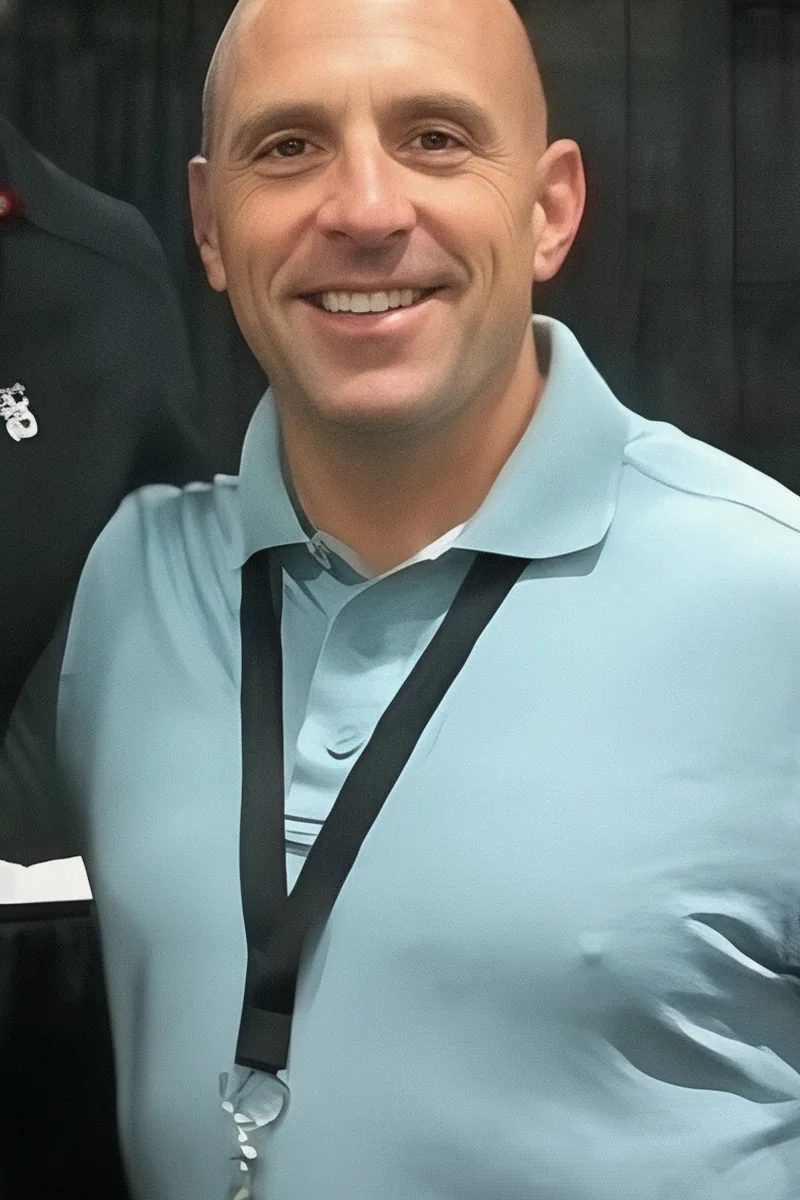
This is where Tony's academic training lives. His master's in Latin American Studies covered everything from colonial-era extraction economies to twentieth-century revolutionary movements, and he reads primary sources in both Spanish and Portuguese. Students get someone who can unpack the Dirty War, the Mexican Revolution, or Bolivarian independence with the depth of a specialist, not a generalist skimming a textbook.

From colonial-era resource extraction to 20th-century revolutionary movements, Latin American history is full of interconnected political and economic threads that can overwhelm students. Peter unpacks these connections one era at a time, teaching students to identify recurring themes like dependency, nationalism, and indigenous resistance across the region's complex timeline.
Few tutors can discuss the Dirty War, liberation theology, or NAFTA's impact on rural Mexico with the depth that comes from a Latin American Studies degree and decades of travel across the region. Gloria connects political, economic, and cultural threads so students see how events like the Cuban Revolution or Pinochet's coup fit into larger patterns. Rated 5.0 by students.
From colonial extraction economies to twentieth-century revolutionary movements in Cuba and Mexico, Latin American History requires students to think about how geography, race, and global trade intersect. Arianna approaches these topics by teaching students to build structured arguments around themes like dependency theory, caudillismo, and indigenous resistance rather than simply memorizing timelines.
Studying International Relations while being fluent in Spanish gives Patrick a dual advantage when tackling Latin American history — he can contextualize events like the Mexican Revolution, Cuban Missile Crisis, or Pinochet's Chile within both regional dynamics and Cold War geopolitics. He unpacks how U.S. foreign policy, indigenous movements, and economic dependency shaped the continent in ways most textbooks only skim.
Latin American history covers an enormous range — colonial extraction economies, independence movements, Cold War interventions, revolutionary politics — and Shannon tackles it by anchoring each topic in the specific power dynamics at play. She's especially effective at teaching students to analyze how U.S. foreign policy intersected with domestic Latin American struggles, a theme that runs from the Monroe Doctrine through modern immigration debates. Her Spanish proficiency adds another dimension when working with primary sources in the original language.
From the Aztec tributary system to Cold War–era CIA interventions in Guatemala and Chile, Latin American history sits at the intersection of colonialism, economics, and identity. Ryan digs into these overlapping forces with students, using his history education background to make the region's complex political trajectories accessible and coherent.
Lily studied Latin American history as one of her core concentrations at Wesleyan, pairing it with Hispanic Literatures & Cultures to build fluency in both the events and the primary sources behind them. She unpacks everything from colonial extraction economies to twentieth-century revolutionary movements, drawing on Spanish-language documents and regional scholarship that English-only courses often skip.
Philip lived a significant part of his life outside the United States, speaks fluent Spanish, and brings that direct cultural familiarity to Latin American history. He digs into topics like caudillismo, dependency theory, and the lasting effects of colonial land systems with the nuance they deserve. His Carnegie Mellon coursework in International Relations reinforces the political and economic frameworks that make this region's history click.
Born and raised in San Juan, Puerto Rico, Carla brings firsthand cultural knowledge to Latin American history that most tutors simply can't offer. She digs into topics like colonialism's lasting economic impact, revolutionary movements across the Caribbean and South America, and the complex relationship between the U.S. and its territories — all in ways that connect past events to present-day realities. Rated 5.0 by students.
Latin American history rarely gets the attention it deserves in standard curricula, which is exactly why Nicholas made it a focus during his history degree. He unpacks topics like the legacy of colonialism, revolutionary movements in Cuba and Mexico, and the economic forces behind U.S.–Latin American relations in ways that connect regional events to global patterns.
Earning a certificate in Latine/Mexican American studies at UNT means Lianna has done serious academic work on the political, cultural, and economic forces that shaped Latin America — from colonial extraction systems to 20th-century revolutionary movements. She unpacks complex topics like caudillismo, dependency theory, and U.S. interventionism with the kind of specificity this subject demands. Students get someone who genuinely knows this material, not someone teaching it from a general history background.
Born in Colombia and raised in the United States, Simon brings firsthand cultural context to Latin American history that most tutors simply can't offer. He unpacks topics like colonial legacies, independence movements, and Cold War-era politics with a perspective shaped by growing up between two worlds — making the material feel immediate rather than distant.
A Latin American Studies degree means Joseph didn't just read about the region — he studied its revolutions, Cold War interventions, indigenous movements, and economic transformations in depth. He teaches students to trace how colonialism, U.S. foreign policy, and internal class dynamics shaped everything from the Mexican Revolution to modern-day political shifts across the hemisphere.
From the colonial extraction economies of the 1500s to Cold War–era coups and modern populist movements, Latin American history is deeply political. Denisse's political science training and fluency in Spanish let her unpack regional dynamics — dependency theory, caudillismo, revolutionary movements — with the kind of nuance that textbooks often flatten.
Studying International Relations at Tulane — a university deeply tied to Latin American scholarship — gave Alexis a strong grounding in the region's political and cultural history, from colonial extraction economies to 20th-century revolutionary movements. She digs into topics like the Mexican Revolution, Cold War interventions in Central America, and the legacy of caudillismo with an eye toward how they shaped today's hemisphere. Students walk away understanding Latin America as a complex region, not a footnote in someone else's story.
Latin American History demands grappling with colonialism, revolution, and Cold War intervention all at once — and doing it without defaulting to a U.S.-centric lens. Nathaniel's extensive work with primary documents translates well here, where students need to analyze sources ranging from Bartolomé de las Casas to dependency theorists to make sense of the region's complex political and economic trajectories.
Latin America's history is inseparable from the colonial languages that shaped it — and Evan's deep background in French literature gives him a unique lens on Francophone Caribbean nations like Haiti, Guadeloupe, and Martinique. He teaches students to read revolutionary-era documents and trace how colonialism, independence movements, and cultural identity intertwine across the region.
Testimonials
Because the right Latin America History tutor makes all the difference.
Average Session Rating – Based on 3.4M Learner Ratings
Top 20 Social Studies Subjects


Top 20 Subjects
Frequently Asked Questions
Students often find the interconnected colonial legacies across different regions challenging—understanding how Spanish, Portuguese, and indigenous systems created distinct societies requires grasping multiple simultaneous perspectives. The 19th and 20th century independence movements and their varied outcomes also trip up many learners, since each nation's path differed significantly based on geography, resources, and leadership. Additionally, students struggle with the indigenous perspective and pre-Columbian civilizations, as traditional curricula sometimes emphasize European narratives over Aztec, Incan, and Mayan contributions. A tutor can help untangle these overlapping timelines and teach you how to trace cause-and-effect across regions rather than memorizing isolated facts.
Primary sources—from colonial documents to indigenous codices to 20th-century political speeches—require understanding both the historical context and the perspective of the author. A tutor can teach you how to identify bias, recognize what's being left unsaid, and connect a source to the broader themes you're studying, whether that's economic exploitation, cultural resistance, or nation-building. For example, analyzing a conquistador's letter requires different critical questions than analyzing a slave rebellion account or a labor union manifesto. With personalized instruction, you'll develop a framework for source analysis that transfers across different periods and regions.
Latin America isn't monolithic—the Caribbean islands, Central America, South America's cone, and the Andes each experienced colonialism, independence, and modernization differently based on geography, resources, and demographics. For instance, Brazil's Portuguese colonial experience and later slavery patterns created a different social structure than Spanish colonies; Argentina's European immigration waves differed from Peru's indigenous-majority population. Understanding these regional variations helps you avoid oversimplifying and prepares you to write nuanced essays or ace exam questions that ask you to compare outcomes. A tutor can help you build mental maps of these regions and their distinct historical trajectories so you see the big picture rather than disconnected stories.
Comparison essays require you to identify a clear framework—whether you're comparing colonial systems, independence movements, economic models, or social structures—and then apply that framework consistently across your examples. Students often struggle because they describe each country separately rather than actively comparing and contrasting. A tutor can teach you how to build a thesis that addresses similarities and differences, select relevant examples from different regions or time periods, and organize your evidence thematically rather than chronologically. You'll practice structuring arguments like 'While both Argentina and Chile pursued export-led economies, their social outcomes differed due to...' so your comparisons are analytical, not just descriptive.
Many students are taught Latin America History primarily through European and creole perspectives, so learning to center indigenous voices—from pre-Columbian achievements to colonial resistance to modern indigenous movements—requires actively seeking out different sources and interpretations. A tutor can guide you through indigenous-authored texts, archaeological evidence, oral histories, and scholarship by indigenous historians that challenge traditional narratives about conquest, assimilation, and progress. For example, understanding the Haudenosaunee Confederacy's influence on colonial thought or the Zapatista movement's articulation of indigenous rights adds depth to your understanding of power, resistance, and identity. This perspective shift fundamentally changes how you interpret events like the conquest or land policies.
Economic systems—from the encomienda and plantation slavery to export-dependent models to 20th-century import substitution—are often taught as isolated topics, but they're actually interconnected threads that explain inequality, political instability, and social conflict across centuries. Students benefit from learning how each system created specific class structures and wealth distributions that persisted and shaped later events. A tutor can help you trace how colonial extraction of precious metals and agricultural products created dependency, how 19th-century coffee and sugar exports concentrated power in landowner hands, and how 20th-century debt and structural adjustment policies affected different nations differently. Understanding these economic foundations makes political upheavals, revolutions, and reform movements make much more sense.
Terms like caudillismo, creolismo, mestizaje, latifundio, and dependency theory can feel overwhelming, but they're actually tools for understanding patterns rather than random vocabulary to memorize. A tutor can teach you the historical context where each term emerged and what it explains about power structures, identity, or economics, so you're learning concepts rather than definitions. For example, understanding that 'caudillismo' describes the pattern of strongman rule that emerged from weak central governments helps you see why so many 19th-century nations experienced military takeovers. Building these conceptual frameworks means you'll remember terminology because it connects to bigger ideas you understand, not because you memorized a list.
Contemporary issues—from immigration and gang violence to inequality and political polarization to indigenous land rights movements—have deep historical roots that make much more sense when you understand colonialism, economic dependency, US intervention, and decades of political instability. A tutor can help you trace how historical patterns repeat and evolve, and how understanding the past prevents you from accepting oversimplified explanations of present-day problems. For instance, understanding the history of US military intervention, Cold War proxy conflicts, and structural adjustment programs gives you context for why some nations have weaker institutions or why certain groups distrust government. This historical literacy makes you a more informed global citizen and a stronger critical thinker about current affairs.
Let’s find your perfect tutor
Answer a few quick questions. We’ll recommend the right plan and match you with a top 5% tutor.