Award-Winning CLEP Introductory Psychology
Tutors
CLEP Introductory Psychology
Tutors
Private 1-on-1 tutoring, weekly live classes for academic support, test prep & enrichment, practice tests and diagnostics, and more to elevate grades and test scores.
Based on 3.4M Learner Ratings
UniversitiesSchools & Universities
DeliveredHours Delivered
ProficiencyGrowth in Proficiency
Who needs tutoring?
No obligation. Takes ~1 minute.
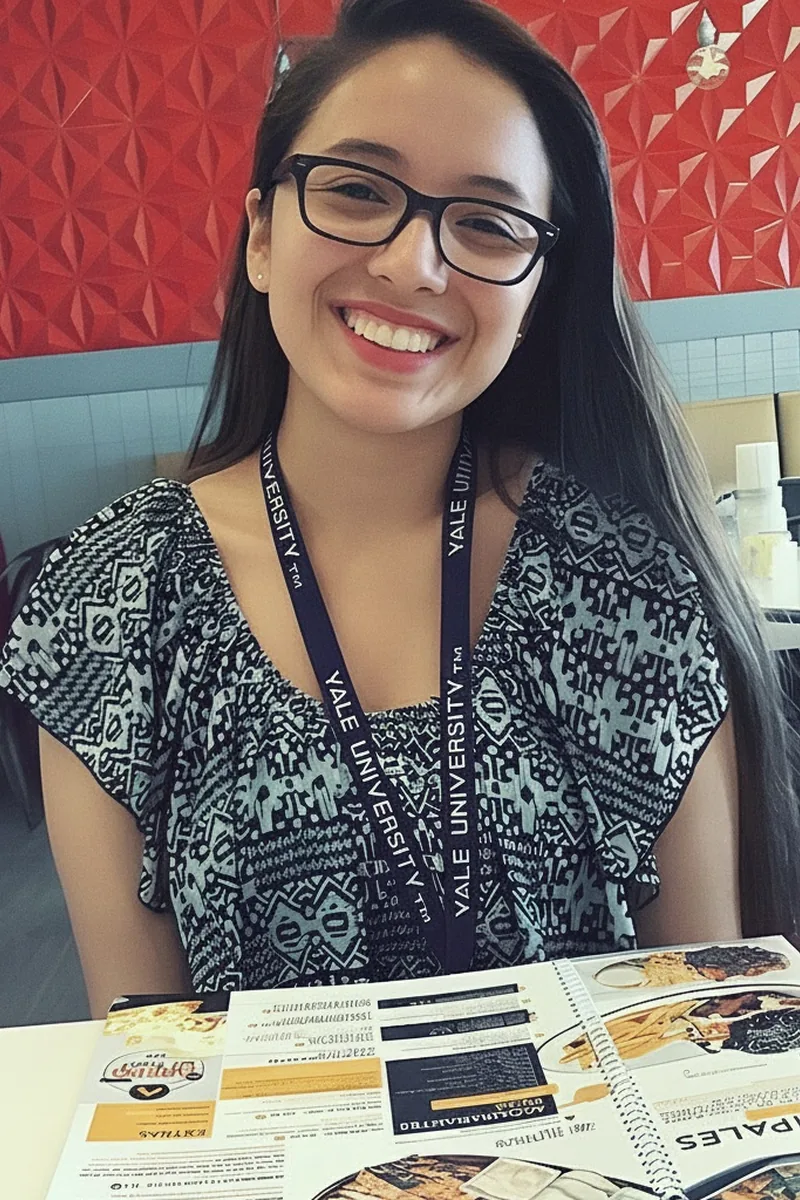
Studying neuroscience at Yale gives Stephanie a daily immersion in the concepts the CLEP Introductory Psychology exam covers — classical and operant conditioning, brain structure, developmental theory, and research methodology. She unpacks the trickier distinctions the exam loves to test, like the difference between negative reinforcement and punishment or between reliability and validity.
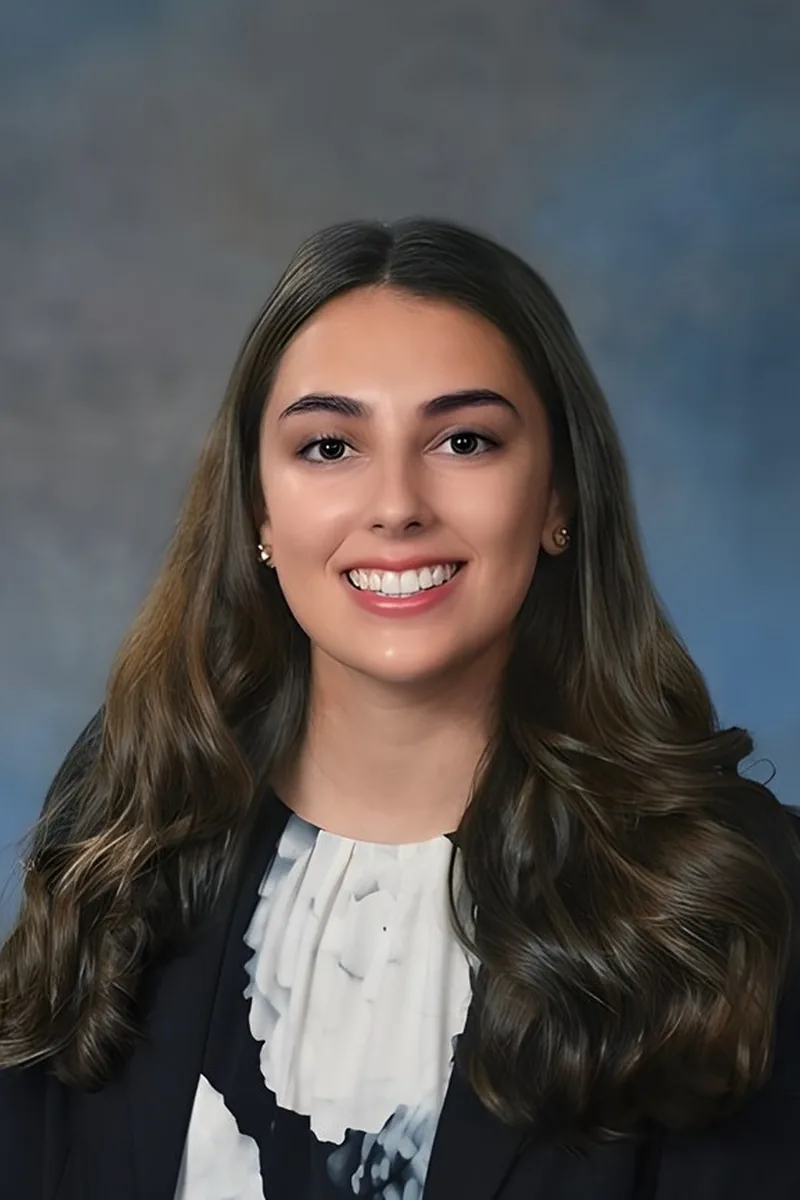
Medical school training gave Amanda a deep grounding in the psychology topics that dominate the CLEP exam — classical and operant conditioning, neurotransmitter function, developmental stages, and abnormal psychology classifications. She breaks each domain into high-yield concepts and teaches students how to distinguish between closely related terms that the exam loves to test.
Between a psychology major and a neuroscience minor at the University of Minnesota, Alex covered the biological bases of behavior in far more depth than most CLEP prep demands — making the exam's questions on brain structures, neurotransmitters, and sensation feel like familiar territory. Now pursuing an Occupational Therapy doctorate at Washington University, she brings clinical context to topics like human development and abnormal psychology that turns abstract theories into something concrete and retrievable on test day.
As a psychology major, Sydney knows the CLEP Introductory Psychology exam inside out — from classical conditioning and Piaget's developmental stages to the biological bases of behavior. She teaches students to distinguish between easily confused concepts like negative reinforcement and punishment, which is exactly where the exam tries to trip people up. Her 4.9 rating speaks to how clearly she explains dense material.
Most CLEP Introductory Psychology prep leans on tutors with psychology degrees — John's angle is different. His 36 ACT and strong analytical background mean he tackles the exam's trickiest question types, like scenario-based items on research design and statistical interpretation, with the structured reasoning of someone who excels at test strategy. Rated 4.9 by students, he's especially useful for self-studiers who already know the content but keep losing points to how the exam frames its questions.
Samantha is literally studying this material right now — she's pursuing a neuropsychology degree at Princeton, which means topics like classical conditioning, cognitive development, and abnormal psychology are part of her daily coursework. She knows which concepts the CLEP Introductory Psychology exam emphasizes and where students tend to confuse similar theories (Piaget vs. Vygotsky, for instance). That combination of current knowledge and teaching experience through Princeton's McGraw program makes her a natural fit for this exam.
The CLEP Introductory Psychology exam covers a dense sweep of material — from classical conditioning to abnormal psychology to research methods — and most self-study students waste time on low-yield topics. Virginia's master's-level training in social work included extensive coursework in psychological theory, human development, and clinical assessment, giving her firsthand knowledge of the concepts the exam prioritizes.
Jasmine earned her bachelor's in psychology from UT Austin, which means the CLEP Introductory Psychology content — from classical conditioning and cognitive development to research methods and statistical concepts — is material she studied in depth, not just reviewed from a prep book. She knows which topics the exam emphasizes most heavily and teaches efficient strategies for distinguishing between closely related theories and terminology.
Ardis teaches clinical psychology alongside this subject, which means she can ground abstract CLEP concepts — like the distinction between anxiety disorders and mood disorders, or how the DSM classifies abnormal behavior — in applied clinical thinking rather than pure memorization. Her law background also sharpens her approach to the exam's research methods and ethics questions, where precise reading of scenarios matters as much as knowing the terminology.
Teaching ESL for years means Kate has spent real time applying principles of language acquisition, memory encoding, and behavioral reinforcement — concepts that show up directly on the CLEP Introductory Psychology exam under cognition, learning theory, and developmental psychology. Her education background also gives her a practical handle on topics like Piaget's stages and motivation theory, since she's used those frameworks to design actual lessons rather than just memorize definitions. Rated 4.9 by students.
The CLEP Introductory Psychology exam covers everything from classical conditioning to abnormal psychology to research methods, and the trick is knowing which concepts the test emphasizes most. Ariana is certified to teach Psychology through grade 12 and approaches the material by connecting theories to real-world examples — making names like Piaget, Skinner, and Erikson stick rather than blur together.
Arianna's neuroscience degree from Dartmouth means the biological bases of behavior section — neurotransmitter pathways, brain structure, sensation and perception — is territory she covered extensively in her own coursework. That foundation gives her a concrete way to anchor the more abstract psychology concepts on the CLEP exam, connecting theories of learning or memory back to the underlying neural mechanisms. Rated 4.8 by students.
Kaitlyn's biology coursework and medical school training covered the neuroscience, developmental psychology, and behavioral science concepts that make up the backbone of the CLEP Introductory Psychology exam. She breaks down topics like classical conditioning, cognitive development stages, and brain anatomy into clear frameworks that stick — especially useful for an exam where breadth matters more than depth.
A psychology degree gives Anuj a genuine edge here — he's not just reviewing flashcards but explaining why classical conditioning differs from operant conditioning, how neurotransmitters influence behavior, and what makes Piaget's stages testable concepts. He knows which theories and experiments the CLEP Introductory Psychology exam emphasizes most and structures review sessions around those high-yield topics.
Studying Biopsychology, Cognition, and Neuroscience at the University of Michigan means Jack lives in the material the CLEP Introductory Psychology exam tests — from classical conditioning paradigms to the biological bases of behavior. He breaks the exam into its weighted categories so students spend the most time on developmental psychology, learning, and the other high-yield sections rather than studying everything equally.
Psychology isn't Sally's degree field, but her dual math and communications coursework at Georgia Tech sharpens exactly the skills the CLEP Introductory Psychology exam quietly demands — parsing research design questions, interpreting data tables, and breaking down how studies measure concepts like memory or behavioral conditioning. She approaches the content systematically, organizing theories and terminology into logical clusters that make a sprawling exam feel manageable. Rated 4.9 by students.
As a psychology major, Julia doesn't just know the CLEP Introductory Psychology content — she recently learned it in a structured academic setting, which means she remembers which concepts (classical vs. operant conditioning, stages of development, neurotransmitter functions) are easy to confuse under exam pressure. She walks students through the trickiest distinctions and teaches active recall strategies tailored to the CLEP format.
The CLEP Introductory Psychology exam covers everything from classical conditioning to abnormal psych in 95 minutes, so knowing what to prioritize is half the battle. Brody's neuroscience training gives him an edge on the biological bases of behavior section — neurons, brain anatomy, sensation and perception — which many test-takers find the most intimidating. He breaks the remaining domains into high-yield concepts so students walk in confident across the full exam.
I am a firm believer of this and, as such, I do not spoon feed students during sessions but rather guide them to figure out how to answer their own questions and solve their own problems. Thus, I focus not only on what to do, but how and why to do it. One of the most significant drivers of independent learning is curiosity, and this is one of the primary traits I aim to cultivate in students.
Rima's health policy training gives her a practical grasp of psychological concepts that show up heavily on the CLEP Introductory Psychology exam — behavioral theory, research methods, and developmental psychology in particular. She teaches students to distinguish between similar-sounding terms like classical and operant conditioning, which is where most test-takers lose easy points.
The CLEP Introductory Psychology exam covers everything from classical conditioning to abnormal psychology, and the challenge is organizing that breadth into something retrievable on test day. Zoe applies the same close-reading and analytical strategies from her English background to help students parse dense material, connect key theorists to their contributions, and tackle the exam's scenario-based questions with confidence.
Unlike most tutors on this page, Shua doesn't have a psychology degree — but his economics background means he's sharp on the research methods, experimental design, and statistical reasoning questions that account for a significant chunk of the CLEP Introductory Psychology exam. He pairs that analytical strength with structured content review of the behavioral and developmental theory topics, teaching students to recognize how the exam reframes textbook definitions into applied scenarios.
A psychology degree is about the most direct preparation possible for the CLEP Introductory Psychology exam, and Alex puts that to work across every domain the test covers — from neurotransmitter functions and classical conditioning to developmental stages and research methodology. He identifies which of the fourteen content areas a student is weakest in and zeroes in there first, making study time count.
Introductory psychology on the CLEP covers everything from neurotransmitter function to classical conditioning to developmental stages — a sprawling amount of material for one exam. Sam's neuroscience coursework during his Ph.D. in biochemistry gives him a particularly strong handle on the biological bases of behavior, and he connects those mechanisms to broader psychological concepts so the memorization has a logical backbone.
The CLEP Introductory Psychology exam covers everything from Piaget's developmental stages to neurotransmitter functions to classical conditioning — a huge range that rewards organized study over brute-force memorization. Mary's coursework in neuroscience and neurobiology gives her a strong handle on the biological psychology sections that trip up most test-takers. She breaks the exam's content into thematic clusters so students can spot connections instead of treating each concept as an isolated fact.
Her social sciences degree means Jennifer studied human development, behavioral theory, and research concepts that map directly onto the CLEP Introductory Psychology exam's heaviest content areas. She's particularly strong on developmental psychology and social behavior topics — the kind of material that benefits from someone who can explain Erikson's stages or conformity experiments through real-world context rather than textbook definitions. Rated 4.9 by students.
Carey earned her psychology degree and knows the CLEP Introductory Psychology exam inside and out — from classical conditioning and cognitive development to the trickier questions on research methods and statistical concepts. She breaks each content area into testable patterns so students can walk in confident about what they'll actually see on exam day. Rated 5.0 by students.
Danelle holds a PhD in cognitive psychology, which means the CLEP Introductory Psychology material — from classical conditioning and memory models to social psychology and abnormal behavior — is territory she knows deeply, not just from a textbook. She pinpoints which content areas carry the most weight on the exam and builds review sessions around the concepts students are most likely to confuse, like the differences between negative reinforcement and punishment.
Hi, I'm Saskia. I am currently getting my master's degree in Physician Assistant studies & I have a degree in Psychology! Learning to love reading shouldn't feel like a chore. I provide the patience, encouragement, and tailored strategies your student needs to unlock their confidence. I specialize in helping elementary and middle schoolers build strong communication skills, focusing on early literacy, phonics, reading comprehension, social studies, and writing structured paragraphs. In addition to my K-8 focus, I leverage my advanced academic background to support older students and adult learners in specialized fields, including Psychology, Social Sciences, and Medical Terminology. My sessions are interactive, patient, and highly supportivewhether we are breaking down a reading passage step-by-step, mastering active recall for psychology, or deconstructing complex medical roots and prefixes. Let's work together to build your study skills and make learning completely approachable!
The CLEP Introductory Psychology exam spans everything from biological bases of behavior to social psychology and developmental theory — a wide net that rewards strategic study. Manuel's training in introductory psychology and sociology gives him a clear map of which concepts (classical conditioning, cognitive development stages, research methodology) carry the most weight on test day.
A biology degree with coursework in neuroscience, anatomy, and biochemistry gives Michelle a direct line into the CLEP Introductory Psychology exam's biological bases of behavior section — she can explain how neurotransmitters, brain regions, and hormonal pathways drive the phenomena that psychology names and categorizes. That scientific grounding also sharpens her teaching on sensation and perception, stress physiology, and the research methods questions where understanding experimental controls and variable types separates passing scores from strong ones. Rated 4.9 by students.
The CLEP Introductory Psychology exam covers a wide sweep — from biological bases of behavior to developmental stages to abnormal psych classifications — and Scott knows which topics carry the most weight. As a PhD student in applied psychology at NYU, he teaches the underlying frameworks (classical vs. operant conditioning, Piaget's stages, DSM categories) so the multiple-choice answers start to feel obvious rather than tricky. Rated 5.0 by students.
Studying psychology at Penn State as an Honors student means Kayla isn't just reviewing CLEP Introductory Psychology material — she's living it. She unpacks the exam's heaviest topics, like research methods, developmental stages, and the biological bases of behavior, by connecting textbook definitions to memorable real-world examples. That approach turns a broad and sometimes overwhelming exam into something genuinely manageable.
Covering everything from classical conditioning to social psychology research methods, the CLEP Introductory Psychology exam tests breadth more than depth. Lauren tackles it by organizing the major schools of thought — behavioral, cognitive, biological, developmental — into a framework that makes hundreds of terms easier to recall under exam conditions. Her 5.0 rating speaks to how well that structured approach works.
Samantha's neuroscience degree means she doesn't just know introductory psychology — she understands the biological underpinnings behind concepts like neurotransmitter function, sensation and perception, and developmental stages that the CLEP exam tests heavily. She breaks the exam's broad content areas into manageable chunks, connecting theories from Piaget to Pavlov back to the brain mechanisms that make them click. Rated 5.0 by students.
Graduate training in school counseling means Katherine encounters human development, abnormal behavior, and learning theory in applied settings every week — exactly the content domains the CLEP Introductory Psychology exam tests most heavily. She's especially strong on developmental psychology and social psychology questions, where she can ground Erikson's stages or conformity research in real counseling scenarios that make the material stick instead of blur together.
As an incoming school psychology doctoral candidate at UNC Chapel Hill, Paige lives the material covered on the CLEP Introductory Psychology exam — from classical conditioning and cognitive development to research methods and abnormal behavior. She connects textbook concepts like Piaget's stages or the DSM framework to real clinical examples, which makes the content stick far better than flashcard memorization alone.
Working at a refugee center with children of immigrants gave Andrea firsthand exposure to developmental adjustment, language acquisition, and behavioral adaptation — concepts that map directly onto CLEP Introductory Psychology topics like developmental stages, learning theory, and social psychology. Her ESL/TESOL certification also means she's trained in how people process and acquire new information, which sharpens her ability to teach the cognition and memory sections of the exam.
Sahar is currently completing a psychology major at Emory, which means the CLEP Introductory Psychology material — from classical conditioning paradigms to the stages of cognitive development — is content she's actively studying and applying. She unpacks the trickiest exam areas, like distinguishing between similar-sounding disorders or remembering which theorist belongs to which school of thought, using mnemonics and concept mapping that stick.
Having earned her B.S. in Psychology, Gabriela knows exactly which concepts the CLEP Introductory Psychology exam emphasizes — from classical conditioning paradigms to the nuances of developmental stage theories. She teaches students to distinguish between easily confused terms like negative reinforcement and punishment, which is where most test-takers lose points.
Testimonials
Because the right CLEP Introductory Psychology tutor makes all the difference.
Average Session Rating – Based on 3.4M Learner Ratings
Top 20 Test Prep Subjects


Top 20 Subjects
Frequently Asked Questions
Students typically find research methods, statistics, and experimental design most challenging because they require both conceptual understanding and the ability to apply methodology to real scenarios. Memory systems, neurobiology, and the distinction between different therapeutic approaches also trip up many test-takers. A tutor can help you move beyond memorizing definitions to actually understanding how these concepts connect—for example, linking neurotransmitter function to both normal behavior and psychological disorders.
The exam mixes straightforward recall questions with scenario-based items that require you to apply psychological concepts to real situations. You might see a question describing a patient's symptoms and need to identify the disorder and appropriate treatment approach, or analyze a study design to spot methodological flaws. Tutors experienced with CLEP Introductory Psychology focus on building both foundational knowledge and the critical thinking skills needed to handle application questions, which make up a significant portion of the exam.
With 100 questions in 90 minutes, you have less than a minute per question, so strategic pacing is crucial. Many students benefit from flagging conceptually dense questions (like those on neurobiology or research design) to revisit later, and tackling more straightforward definition and application questions first to build confidence. A tutor can help you practice this strategy through timed practice tests, identifying which question types slow you down, and developing techniques to quickly recognize what a question is really asking before diving into the answer choices.
Diagnostic practice tests are your best tool—they reveal which content areas and question types consistently trip you up, whether that's distinguishing between similar disorders, understanding statistical concepts, or recognizing therapeutic techniques. Once you identify patterns (e.g., "I always miss questions about classical vs. operant conditioning" or "I struggle with neurotransmitter effects"), a tutor can target those specific gaps with focused explanations and targeted practice rather than reviewing everything. This targeted approach is far more efficient than re-reading textbook chapters.
Most students benefit from 4-8 weeks of consistent preparation, depending on their psychology background. Tutoring works best when paired with your own practice—a tutor can clarify confusing concepts, explain why you're missing certain question types, and teach you to think like the test makers, while you reinforce learning through practice tests and spaced repetition of difficult topics. Weekly sessions allow your tutor to track your progress on practice exams and adjust focus as you get closer to test day.
Much of test anxiety stems from uncertainty about whether you truly understand the material or just think you do. Working through challenging questions with a tutor—especially those involving research methods or disorder diagnosis—builds genuine confidence because you're practicing the exact skills the exam tests. Tutors can also help you develop a pre-test routine, teach you how to manage time pressure so you're not rushing through questions, and give you honest feedback on your readiness so you approach test day with realistic confidence rather than fear.
The exam frequently presents case scenarios where you need to identify a disorder and select appropriate treatment, so rote memorization of symptoms isn't enough—you need to understand the underlying logic. A tutor can teach you to organize disorders by their key distinguishing features (e.g., what makes panic disorder different from generalized anxiety disorder), connect symptoms to neurobiology, and match treatments to specific disorders based on evidence. Practice with realistic case questions, rather than isolated symptom lists, helps you develop the pattern recognition skills the exam actually tests.
Research methods questions require you to understand experimental design, validity, reliability, and statistical concepts—and then apply that understanding to unfamiliar studies. Students often memorize definitions but freeze when asked to spot a confounding variable in a new scenario or explain why a study's conclusions are limited. A tutor helps by teaching you the underlying logic of research design (why random assignment matters, what correlation doesn't prove, how sample size affects reliability) and giving you practice analyzing real and hypothetical studies so you can confidently handle any research question the exam throws at you.
Let’s find your perfect tutor
Answer a few quick questions. We’ll recommend the right plan and match you with a top 5% tutor.