Award-Winning AP Chinese Language and Culture Tutors
serving Seattle, WA
AP Chinese Language and Culture
Tutors in Seattle
Private 1-on-1 tutoring, weekly live classes for academic support, test prep & enrichment, practice tests and diagnostics, and more to elevate grades and test scores.
Based on 3.4M Learner Ratings
UniversitiesSchools & Universities
DeliveredHours Delivered
ProficiencyGrowth in Proficiency
Who needs tutoring?
No obligation. Takes ~1 minute.

Xiansheng's cellular and molecular biology degree might seem like an odd fit here, but he teaches across five levels of Mandarin Chinese and scored 1450 on the SAT — the analytical rigor carries over directly to coaching the AP exam's interpretive reading section, where students must parse dense, formal Mandarin and extract meaning under strict time limits. He's especially useful for students whose conversational Mandarin is solid but who stumble on the written exam components that demand precise character recognition and grammatical accuracy. Rated 4.7 by students.
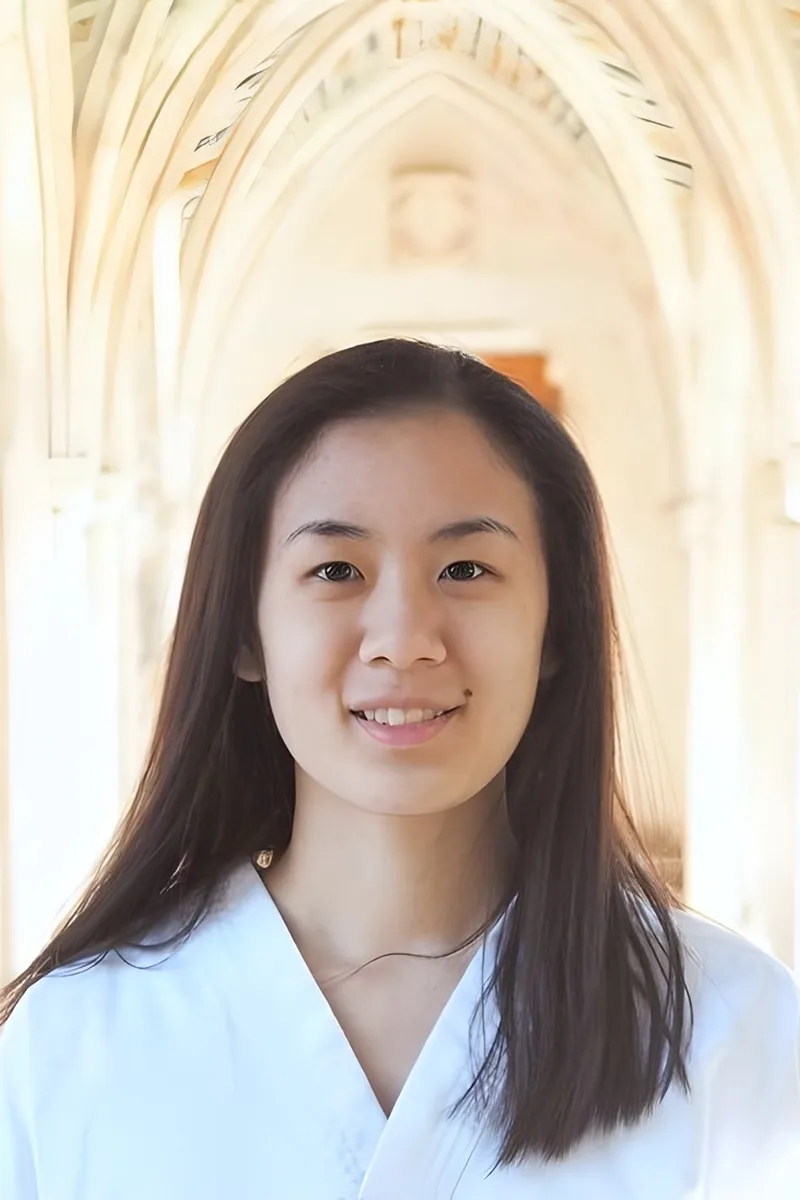
Having scored on the SAT Subject Test in Chinese with Listening, Florence brings firsthand experience with the kind of language proficiency AP Chinese demands — from interpreting spoken passages to crafting written responses using appropriate registers. She knows which cultural comparison prompts tend to trip students up and how to structure presentational writing that earns top marks.
A molecular biology degree from UC Berkeley might seem unrelated to AP Chinese, but Caroline's background teaching Mandarin across four levels — plus her fluency in the language — means she knows how to bridge the gap between conversational Mandarin and the formal, academic register the exam's interpretive reading and listening sections demand. She's particularly effective at coaching students through the exam's interpersonal tasks, where her experience mentoring K-12 students in Oakland translates into patient, structured practice that builds confidence under timed conditions. Rated 5.0 by students.
As a native Mandarin speaker who moved to the U.S. at nine and later studied at Cornell, Jennifer bridges Chinese and American culture in a way that's hard to find in a tutor. She covers all four AP skill areas — interpretive reading, listening, presentational writing, and spoken interpersonal communication — while weaving in the cultural knowledge that the exam's free-response questions specifically test. Rated 5.0 by students.
The AP Chinese Language and Culture exam tests more than vocabulary — it demands cultural literacy, formal writing conventions, and the ability to switch between interpersonal and presentational communication on the spot. May is a native speaker who has taught Mandarin at multiple levels and understands how to bridge the gap between conversational fluency and the precise, structured responses the exam rewards.
Eric teaches across three levels of Mandarin Chinese and coaches AP Chinese Language and Culture with a particular edge on the interpersonal speaking tasks, where his conversational fluency and 36 ACT verbal instincts help students think on their feet during timed prompts. His biomedical engineering coursework at Duke also means he can introduce technical and academic vocabulary that gives cultural comparison essays unexpected depth — discussing China's healthcare system, STEM education culture, or scientific collaboration norms rather than recycling the same festival examples every other student writes about.
Having tutored the SAT Subject Test in Chinese with Listening and spent time working in Hong Kong, Asta understands both the linguistic and cultural dimensions the AP Chinese exam tests. She digs into the presentational writing and interpersonal speaking tasks that trip up even heritage speakers, breaking down how to structure responses that earn top marks on the rubric.
Most AP Chinese prep zeroes in on language mechanics, but the exam's interpersonal speaking prompts reward the kind of natural, idiomatic Mandarin that only comes from native fluency — and Tracy grew up speaking it at home. She also teaches across multiple Mandarin levels and competed in math competitions using bilingual problem-solving skills, so she understands how to bridge the gap between conversational comfort and the formal register the exam demands. Rated 4.9 by students.
Minoring in Chinese at Northeastern while pursuing a pharmacy degree, Amy uses the language daily in academic contexts — reading research, discussing coursework — which builds the kind of formal register fluency the AP Chinese exam's interpretive reading and presentational writing sections actually test. Her 4.9 rating from students reflects a knack for breaking complex characters and grammatical structures into manageable patterns, and she draws on her own experience as a heritage learner to bridge gaps between conversational Mandarin and the academic-level precision the exam demands.
Wei's PhD research in language acquisition at UGA directly informs how she teaches the AP Chinese exam's trickiest section: presentational writing, where students must produce organized, culturally grounded Mandarin that reads as more than translated English. Her background teaching bilingual Chinese American children means she's skilled at diagnosing whether a student's errors stem from interference between their two languages — a distinction that changes the entire tutoring approach. Rated 5.0 by students.
Melody teaches Mandarin Chinese and is currently studying at Columbia, where her coursework in AP Chinese Language and Culture aligns closely with the exam's cultural comparison prompts — the section where students need to articulate specific, nuanced differences between Chinese and American practices rather than recite generalities. Her 4.9 rating from students speaks to her ability to break down both the interpretive listening tasks and the presentational speaking prompts, where tonal clarity and organized delivery under timed pressure make the difference.
The AP Chinese Language and Culture exam tests more than vocabulary — it demands cultural literacy, formal register switching, and the ability to compare Chinese and American perspectives in real time. Ya grew up in Taiwan and earned her master's in Foreign Language Education (Chinese) at NYU, so she teaches students to navigate the interpersonal and presentational speaking tasks with native-level cultural nuance. She also drills the specific reading and listening strategies that trip up heritage and non-heritage speakers alike.
Studying economics at Penn while teaching Mandarin Chinese across multiple levels, Mandy brings a practical, structured approach to AP Chinese prep — especially the cultural comparison essays, where her firsthand experience navigating both Chinese and American academic environments gives students concrete material to draw from. She's rated 5.0 by students and zeroes in on the interpretive reading and listening sections, training students to decode formal written Mandarin that goes well beyond conversational fluency.
Testimonials
Because the right AP Chinese Language and Culture tutor makes all the difference.
Average Session Rating – Based on 3.4M Learner Ratings
Other Seattle Tutors
Related Languages Tutors in Seattle
Frequently Asked Questions
The AP Chinese Language and Culture exam tests proficiency across three modes of communication: interpretive (reading and listening), interpersonal (speaking and writing conversations), and presentational (speaking and writing for an audience). The exam includes multiple-choice sections for reading and listening comprehension, free-response sections for email writing, conversation simulations, cultural comparisons, and oral presentations. Success requires not just language skills but also understanding of Chinese culture, geography, history, and contemporary society.
Score improvement depends on your starting level and commitment, but personalized 1-on-1 instruction typically helps students identify and close specific gaps—whether that's tones, character recognition, listening comprehension, or cultural knowledge. Many students see meaningful gains by working with a tutor to build a focused study plan, practice high-yield content areas, and refine test-taking strategies. The key is consistent practice between sessions combined with expert guidance on where to concentrate your effort.
Students often struggle most with the listening section, where native-speed audio and unfamiliar accents can make comprehension difficult, and the speaking portions, which require real-time fluency and cultural awareness. The written expression section also challenges many test-takers because it demands not just correct grammar but appropriate tone and cultural context. Additionally, students may underestimate the cultural component—the exam expects knowledge of Chinese holidays, geography, historical events, and contemporary issues beyond just language mechanics.
Most students benefit from 3-6 months of focused preparation, though this varies based on your current proficiency level and how frequently you study. If you're starting from a lower level, beginning preparation earlier in the school year gives you time to build foundational skills before tackling full practice tests. Consistent weekly tutoring sessions combined with daily independent practice—even 30 minutes—typically yields better results than cramming, as language learning relies on spaced repetition and sustained exposure.
Your first session focuses on assessment and goal-setting. A tutor will evaluate your current proficiency across speaking, listening, reading, and writing to identify your strengths and areas needing the most work. You'll discuss your target score, timeline, and specific challenges—whether that's tones, listening comprehension, or cultural knowledge—so the tutor can build a personalized study plan tailored to your needs and test date.
Practice tests are essential because they help you understand the exam format, build stamina for the full 2.5-hour test, and identify which sections need the most work. Taking full-length practice tests under timed conditions reveals whether your challenges are with speed, comprehension, or specific question types. A tutor can review your practice test results with you, pinpoint patterns in your mistakes, and adjust your study strategy accordingly—making practice tests a diagnostic tool, not just a confidence check.
The speaking sections require both fluency and cultural awareness, which improve through repeated practice with feedback. Working with a tutor gives you a native or near-native speaker to practice conversation simulations, receive real-time corrections on pronunciation and tone, and build confidence speaking under timed pressure. Regular speaking practice—ideally multiple times per week—combined with recording yourself and reviewing your errors helps you internalize corrections and develop more natural pacing and intonation.
Varsity Tutors connects you with expert tutors in the Seattle area who specialize in AP Chinese Language and Culture. When you reach out, you'll be matched with a tutor based on your specific needs, schedule, and learning style—whether you need intensive test prep, help with speaking fluency, or cultural context building. You can start with a single session to see if the fit is right, and adjust your tutoring frequency based on your progress toward your target score.
Let’s find your perfect tutor
Answer a few quick questions. We’ll recommend the right plan and match you with a top 5% tutor.