Award-Winning AP Spanish Language & Culture Tutors
serving Atlanta, GA
AP Spanish Language & Culture
Tutors in Atlanta
Private 1-on-1 tutoring, weekly live classes for academic support, test prep & enrichment, practice tests and diagnostics, and more to elevate grades and test scores.
Based on 3.4M Learner Ratings
UniversitiesSchools & Universities
DeliveredHours Delivered
ProficiencyGrowth in Proficiency
Who needs tutoring?
No obligation. Takes ~1 minute.
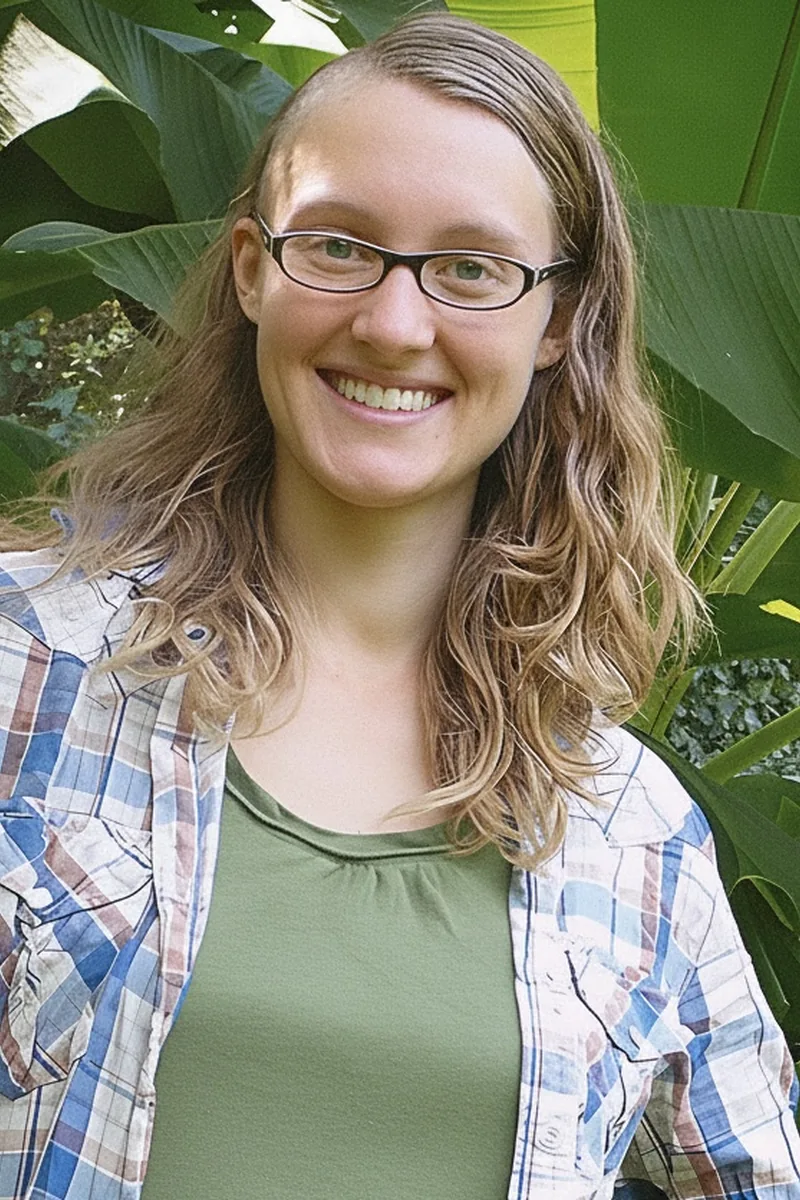
Rebecca's anthropology degree trained her to analyze cultural practices across communities — the exact skill the AP Spanish exam's cultural comparison free-response prompt tests. She teaches Spanish at every level from 1 through 4 plus conversational, so she can diagnose whether a student's weak spot is grammar mechanics like subjunctive triggers or the higher-order task of building a nuanced argument in formal register. Her 1550 SAT score reflects the kind of disciplined, timed-test thinking she brings to AP prep.

A year as an exchange student at the University of Puerto Rico — taking courses in Spanish linguistics, business Spanish, and constitutional law entirely in Spanish — gave Chiquita the kind of immersive academic fluency that the AP exam's timed persuasive essay and presentational speaking tasks demand. She later earned a graduate certificate in Spanish Interpretation and Translation from UCLA, training that sharpened her ability to move between registers and process Spanish at speed, which is exactly what the interpretive listening section requires. Rated 5.0 by students.
Speaking five languages — Gujarati, Hindi, Spanish, Arabic, and French — gives Sahar an intuitive grasp of how Spanish grammar and idiomatic expression actually work in conversation, not just on paper. She digs into the interpersonal and presentational communication modes the AP exam tests, from crafting persuasive essays with proper subjunctive usage to navigating audio sources on cultural topics. Rated 5.0 by students.
This isn't Akshadha's core subject area — her degree is in biology, and Spanish doesn't appear on her teaching roster. That said, her experience tutoring refugees through academic and social adaptation means she understands the challenge of building fluency in a new language from the ground up, and she brings structured study habits that can support vocabulary retention and grammar practice for students who need supplemental help.
Earning a doctorate in Spanish & Portuguese required Casey to operate at full academic fluency — presenting research, debating theory, and writing at the highest register. She channels that depth into AP Language prep, drilling students on the interpersonal speaking prompts, persuasive essay structures, and audio-source synthesis that make up the exam's trickiest sections.
Native fluency changes everything in AP Spanish Language & Culture. Alex grew up speaking, reading, and writing Spanish at home, and his bilingual background means he can explain grammar from the inside — why the subjunctive feels natural in certain contexts, how register shifts between formal and informal speech, and what authentic source material actually sounds like. His English degree also sharpens the presentational writing and speaking skills the exam demands.
Gabriel's PhD work in Comparative Human Development at the University of Chicago means he approaches the AP Spanish exam's cultural comparison task through an academic lens most tutors can't offer — he's trained to analyze how cultural practices differ across communities, which is exactly what that free-response prompt asks students to do. He teaches Spanish 2 through 4, so he knows which grammar foundations need tightening before students can write a persuasive essay in formal register under timed conditions. Rated 5.0 by students.
Growing up in Miami gave Caitlin daily exposure to Spanish in real-world contexts — the kind of authentic, unscripted language that mirrors what the AP exam throws at students in its interpretive listening and reading sections. She teaches Spanish 1 through 4 and pairs that progression with her own experience navigating Spanish across levels, so she knows exactly which grammar gaps (subjunctive triggers, formal vs. informal register) trip students up on timed free-response tasks. Rated 5.0 by students.
Hillel's geology research on Antarctic ice sheet dynamics — conducted partly through Spanish-language scientific literature — gives him a practical connection to the formal register and academic vocabulary the AP exam's persuasive essay demands. He also teaches conversational Spanish and Hebrew, so he's comfortable switching between languages and coaching students through the interpersonal speaking tasks where real-time fluency matters most. Rated 5.0 by students.
Fluent in Spanish after living in a Spanish-speaking country, Lisanne brings real-world command of the language to AP Spanish prep — not just textbook knowledge. She tackles the exam's trickiest components, like the persuasive essay and cultural comparison, by teaching students to think and organize ideas directly in Spanish. Her experience tutoring every level from Spanish 1 through AP means she quickly identifies the grammar gaps holding a student back from a top score.
Joshua teaches Spanish from level 1 through AP and pairs that with four levels of Latin, so he's used to thinking about how Romance languages borrow structures from their classical roots — a perspective that sharpens his explanations of tricky Spanish grammar like subjunctive triggers and conditional sequences. His 1600 SAT reflects the kind of precise reading and analytical writing skills that translate directly to the AP exam's source-synthesis and persuasive essay tasks.
Jennifer's journalism training at Northwestern — where she learned to write persuasively under tight deadlines in formal register — maps directly onto the AP Spanish exam's timed persuasive essay, which demands the same skill set in a second language. She teaches Spanish from level 1 through AP and conversational Spanish, and her Georgetown international politics background means she can coach students through the cultural comparison task with the kind of geopolitical nuance that turns a generic response into a compelling one.
Christopher's memory-sport training — he's actively working toward a Guinness World Record — translates surprisingly well to the vocabulary and conjugation retention that AP Spanish demands, especially when students need to internalize subjunctive triggers and idiomatic expressions under exam pressure. His biology coursework at Johns Hopkins doesn't scream Spanish, but his ACT score of 32 and comfort across multiple academic disciplines show he knows how to systematically tackle material outside his primary lane.
Alex's tutoring background spans a wide range of academic subjects, but AP Spanish Language & Culture is not one of his primary areas of expertise. Students preparing for this exam should look for a tutor with demonstrated fluency in Spanish and specific experience with the interpersonal and presentational communication tasks the exam requires.
Scoring well on the AP Spanish Language & Culture exam means toggling between interpersonal conversation, presentational writing, and audio-source synthesis — often in the same sitting. Heather's deep Spanish background, built through years of advanced coursework and one-on-one tutoring, means she can drill the specific skills each task type demands. She's particularly strong at coaching students through the persuasive essay, where organizing an argument in Spanish trips up even strong speakers.
Success on the AP Spanish Language & Culture exam depends on toggling fluently between interpretive, interpersonal, and presentational communication — often within a single task. Margaret tackles each mode separately, drilling persuasive email writing one session and audio-source synthesis the next, so students build confidence across the full exam format. Her own deep engagement with Spanish literature and conversation gives her the cultural fluency this exam specifically rewards.
Testimonials
Because the right AP Spanish Language & Culture tutor makes all the difference.
Average Session Rating – Based on 3.4M Learner Ratings
Nearby AP Spanish Language & Culture Tutors
Other Atlanta Tutors
Related Languages Tutors in Atlanta
Frequently Asked Questions
The AP Spanish Language & Culture exam tests your ability to understand and communicate in Spanish across multiple formats. You'll be assessed on listening comprehension, reading comprehension, writing, and speaking skills through sections like multiple-choice questions, free-response essays, and interpersonal/presentational speaking tasks. The exam emphasizes real-world communication and cultural understanding rather than just grammar rules.
A tutor can help you develop strategies for each exam section, build vocabulary and grammar confidence, and practice authentic communication skills. Personalized 1-on-1 instruction allows you to focus on your specific weak areas—whether that's understanding native speakers in listening sections or organizing complex written arguments—and receive immediate feedback on your pronunciation and cultural insights.
Score improvement depends on your starting point and how consistently you prepare. Students who work with tutors typically see meaningful gains by focusing on their weakest sections and practicing with real AP exam formats. Most students benefit from starting tutoring at least 2-3 months before the exam, though earlier preparation allows for deeper skill-building and more practice tests.
The speaking sections require you to respond naturally and fluently without extensive preparation time. A tutor can help you practice interpersonal conversations and presentational tasks, teach you strategies for organizing your thoughts quickly, and build confidence in your pronunciation and accent. Regular speaking practice with feedback is key—tutors can simulate the actual exam format and help you manage the time pressure.
For reading, you'll need to quickly identify main ideas and supporting details across different text types. For writing, the exam expects well-organized essays with clear thesis statements and cultural references. A tutor can teach you time-management strategies for each section, help you recognize common question patterns, and guide you through writing multiple drafts with constructive feedback on grammar, vocabulary, and argumentation.
Practice tests help you understand the exam's format, pacing, and question types before test day. They also reveal which sections need more work—whether listening comprehension, reading speed, or writing organization. Working through full-length practice tests with a tutor allows you to get targeted feedback on mistakes and develop strategies to avoid repeating them on the actual exam.
Cultural understanding is woven throughout the exam, not just tested in isolation. You'll need to recognize cultural references in reading and listening passages, and incorporate cultural insights into your speaking and writing responses. A tutor can help you build familiarity with Spanish-speaking cultures, teach you how to weave cultural context into your answers naturally, and ensure you're prepared for the exam's emphasis on authentic communication.
Your first session is an opportunity to assess your current level, identify your strongest and weakest areas, and create a personalized study plan. A tutor will likely have you complete a diagnostic activity or discuss your experience with Spanish, then work with you to set realistic goals and outline which sections need the most attention before exam day.
Let’s find your perfect tutor
Answer a few quick questions. We’ll recommend the right plan and match you with a top 5% tutor.