Award-Winning Biochemistry Tutors
serving Baltimore, MD
Biochemistry
Tutors in Baltimore
Private 1-on-1 tutoring, weekly live classes for academic support, test prep & enrichment, practice tests and diagnostics, and more to elevate grades and test scores.
Based on 3.4M Learner Ratings
UniversitiesSchools & Universities
DeliveredHours Delivered
ProficiencyGrowth in Proficiency
Who needs tutoring?
No obligation. Takes ~1 minute.
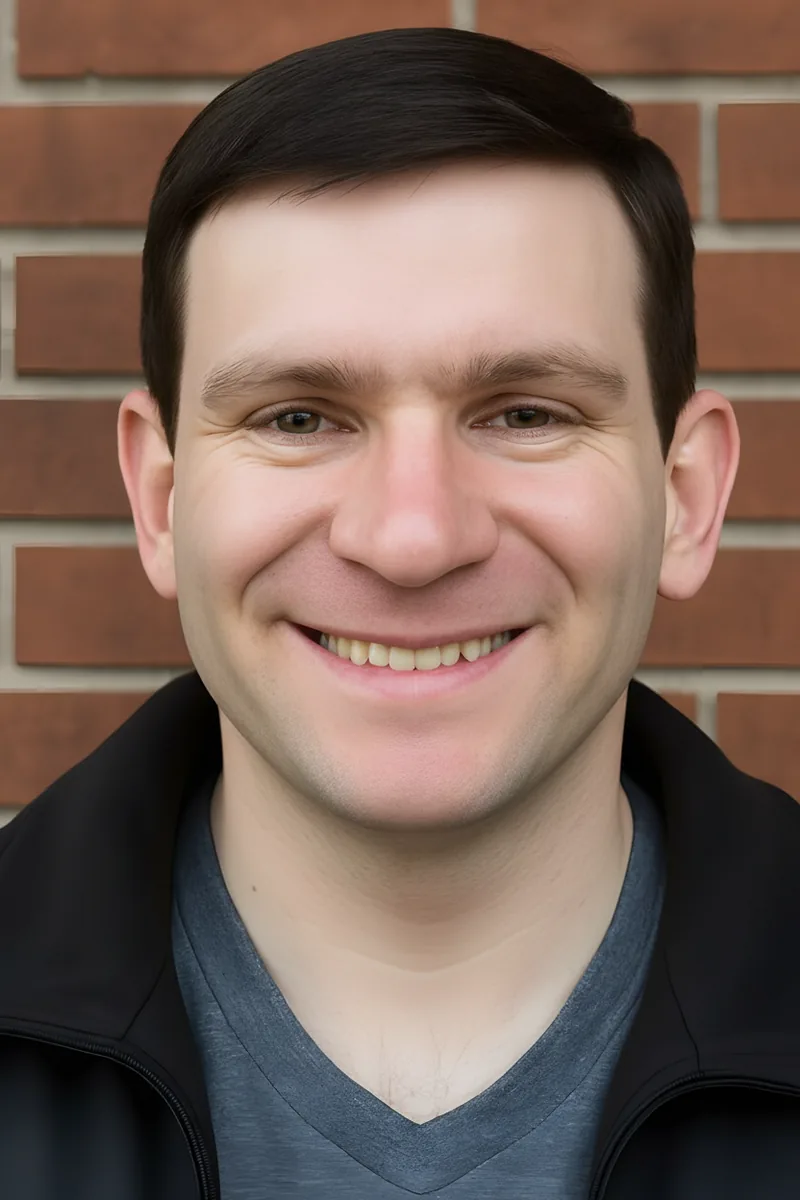
I earned my undergraduate degree in biochemistry at Brown University and my Ph.D. in immunology at the University of California, Berkeley. I have been teaching both introductory and advanced biology courses at the University of Maryland, College Park for over 10 years. For fun I enjoy reading science fiction, doing crossword puzzles, swing and ballroom dancing, and playing ultimate frisbee.
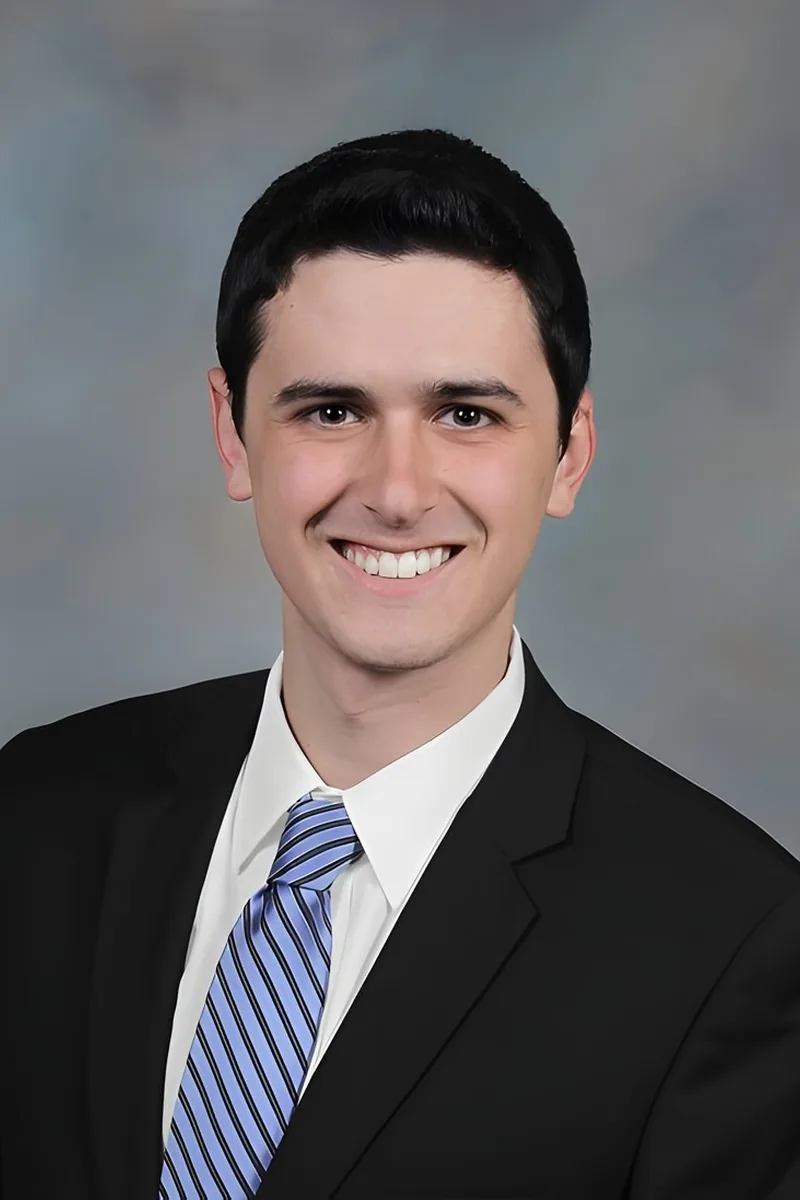
David's neuroscience training at Yale meant wrestling with biochemistry from the nervous system's perspective — neurotransmitter synthesis, ion channel biophysics, and the metabolic demands that make the brain consume a disproportionate share of the body's glucose. Now pursuing a graduate degree in bioethics, he brings that mechanistic grounding to topics like amino acid chemistry and membrane transport, connecting each reaction to the biological system it supports. Holds a 5.0 rating.
As a genetics major on the pre-med track, Jaya lives in the world of biochemistry — amino acid structures, enzyme kinetics, metabolic pathways, and the molecular logic connecting DNA to protein function. She's currently preparing for the MCAT's biological and chemical foundations sections, which means this material is fresh and actively in her working memory. She unpacks complex pathways like glycolysis and the citric acid cycle by emphasizing the *why* behind each step rather than demanding rote memorization.
Enzyme kinetics, metabolic pathways, protein structure — biochemistry asks students to think about molecules as dynamic systems, not static diagrams. Tina's engineering background at Cornell and her pre-med preparation mean she can unpack topics like Michaelis-Menten kinetics or amino acid chemistry with both quantitative rigor and biological context.
Enzyme kinetics, metabolic pathways, protein folding — biochemistry sits at the intersection of biology and chemistry, and Natasha lives at exactly that intersection as a chemical and biomolecular engineering graduate student at MIT. She unpacks reaction mechanisms and molecular interactions by encouraging students to talk through each step out loud, turning dense pathway diagrams into narratives that actually stick.
A chemistry degree from Rhodes College plus hands-on clinical internships — including work at Methodist Transplant Institute — means Eric has encountered biochemistry from both the bench and the bedside. He tackles topics like amino acid structure and metabolic regulation by walking through the underlying organic chemistry step by step, so reaction pathways read as logical progressions rather than disconnected diagrams.
Enzyme kinetics, metabolic pathways, protein structure — biochemistry demands that students think simultaneously about chemistry and biology, which is exactly how Nathaniel trained. His degree in biochemistry and his MCAT preparation mean he can walk through everything from Michaelis-Menten plots to amino acid properties with the depth a college-level course requires.
Thomas holds both a biochemistry and molecular biology degree and a master's in biology, which means he's worked through the full gauntlet — from amino acid properties and enzyme mechanisms to the regulatory networks controlling gene expression. That dual-layer training lets him teach something like oxidative phosphorylation by building it up from the organic chemistry of electron carriers before zooming out to the cellular energy budget. Rated 4.8 by students.
Mitchell's neuroscience degree means he learned biochemistry through the brain's lens — tracing how neurotransmitter precursors feed into synthesis pathways, how ATP production keeps neurons firing, and how lipid biochemistry shapes every membrane in the nervous system. That background lets him teach topics like oxidative phosphorylation and amino acid metabolism by connecting each reaction to the cellular machinery that depends on it.
Studying cognitive science on a pre-med track at Rice means Natalie lives in the overlap between biology and chemistry every semester — enzyme kinetics, metabolic pathways, and protein structure are part of her daily coursework. She unpacks biochemistry by anchoring molecular details to the bigger biological question they answer, which makes dense material like the citric acid cycle far more digestible.
Enzyme kinetics, amino acid structures, metabolic pathways — Biochemistry demands that students hold molecular details and big-picture biological function in their heads simultaneously. Ibi is actively studying these topics in her premedical post-bac program, so she explains concepts like Michaelis-Menten curves and lipid metabolism with the fluency of someone who just worked through them herself. That recency makes a real difference when a student is stuck at 11 p.m. before an exam.
Preparing for medical school at UT Houston while finishing a chemistry degree at Rice means Asad has been living in biochemistry from both sides — the rigorous organic and physical chemistry foundations and the biological systems they plug into. He's especially sharp on the MCAT-relevant intersections, like how enzyme mechanisms tie back to organic reaction logic or how metabolic pathway regulation connects to thermodynamic principles. Rated 4.7 by students.
Claire's chemistry degree and incoming medical school training at the University of Illinois College of Medicine mean she's worked through biochemistry from both the bench and the clinical side — enzyme mechanisms, metabolic regulation, and the molecular logic connecting organic chemistry to living systems. She breaks down dense pathways like the citric acid cycle or amino acid catabolism by mapping each step back to the underlying reaction chemistry, so students can reconstruct a pathway from principles instead of flashcards. Rated 5.0 by students.
Testimonials
Because the right Biochemistry tutor makes all the difference.
Average Session Rating – Based on 3.4M Learner Ratings
Practice Biochemistry
Free practice tests, flashcards, and AI tutoring for Biochemistry
Other Baltimore Tutors
Related Science Tutors in Baltimore
Frequently Asked Questions
Biochemistry requires mastering both abstract molecular concepts and complex metabolic pathways—many students struggle with visualizing how atoms bond and interact at the molecular level. Additionally, balancing chemical equations, understanding enzyme kinetics, and connecting theoretical concepts to real cellular processes can feel overwhelming. Personalized tutoring helps break down these interconnected topics into manageable pieces, allowing you to build a solid foundation in one area before moving to the next.
Your first session is about understanding your specific needs and learning style. A tutor will assess which topics are most challenging for you—whether that's protein structure, metabolic cycles, or thermodynamics—and identify gaps in foundational chemistry knowledge that might be holding you back. Together, you'll create a personalized plan focused on your goals, whether you're preparing for an exam, improving your grade, or building deeper understanding for future science courses.
While Biochemistry does involve learning many structures and pathways, true mastery requires deep understanding of the underlying principles—why reactions occur, how enzymes catalyze reactions, and how metabolic processes interconnect. Effective tutoring emphasizes conceptual understanding over rote memorization, helping you see the logic behind biochemical processes so you can apply knowledge to new problems and exams. This approach builds confidence and retention far better than memorizing facts in isolation.
Biochemistry labs require you to apply theoretical knowledge to real experiments—understanding reaction mechanisms helps you predict lab outcomes and troubleshoot when results don't match expectations. Tutoring strengthens both your conceptual foundation and your scientific reasoning skills, so you can design experiments thoughtfully, interpret data accurately, and connect lab observations back to classroom concepts. This integrated approach prepares you to excel in both the lecture and lab components of your course.
Molecules, protein folding, and enzyme-substrate interactions are difficult to picture without guidance—tutors use diagrams, molecular models, animations, and step-by-step explanations to make these invisible processes tangible. By working through visual representations and drawing out mechanisms yourself, you develop a mental model of how biochemical systems work. This visual understanding makes it easier to retain information, solve problems, and explain concepts on exams.
Biochemistry calculations often involve multiple unit systems—moles, molarity, pH, Km values—and it's easy to lose track of what each unit represents or how to convert between them. Many students rush through the math without understanding the underlying chemistry, leading to careless errors. Personalized tutoring helps you master the logic behind conversions and develop systematic approaches to calculations, so you can solve problems accurately and confidently on assignments and exams.
Varsity Tutors connects you with tutors who have strong backgrounds in biochemistry, chemistry, or related sciences—many hold degrees in these fields or have extensive teaching experience. Beyond subject knowledge, the best tutors can explain complex concepts clearly, adapt to your learning style, and help you develop problem-solving strategies specific to biochemistry. When you get matched with a tutor, you'll have the opportunity to ensure they're the right fit for your needs and goals.
Exam preparation with a tutor goes beyond reviewing notes—tutors help you identify which concepts you've truly mastered and which need more work, then create targeted study strategies for your weak areas. They can walk through practice problems, explain common exam question types, and teach you how to manage time during tests. With personalized feedback and strategic practice, you'll enter exams feeling confident and prepared.
Let’s find your perfect tutor
Answer a few quick questions. We’ll recommend the right plan and match you with a top 5% tutor.