Award-Winning Developmental Biology
Tutors
Developmental Biology
Tutors
Private 1-on-1 tutoring, weekly live classes for academic support, test prep & enrichment, practice tests and diagnostics, and more to elevate grades and test scores.
Based on 3.4M Learner Ratings
UniversitiesSchools & Universities
DeliveredHours Delivered
ProficiencyGrowth in Proficiency
Who needs tutoring?
No obligation. Takes ~1 minute.
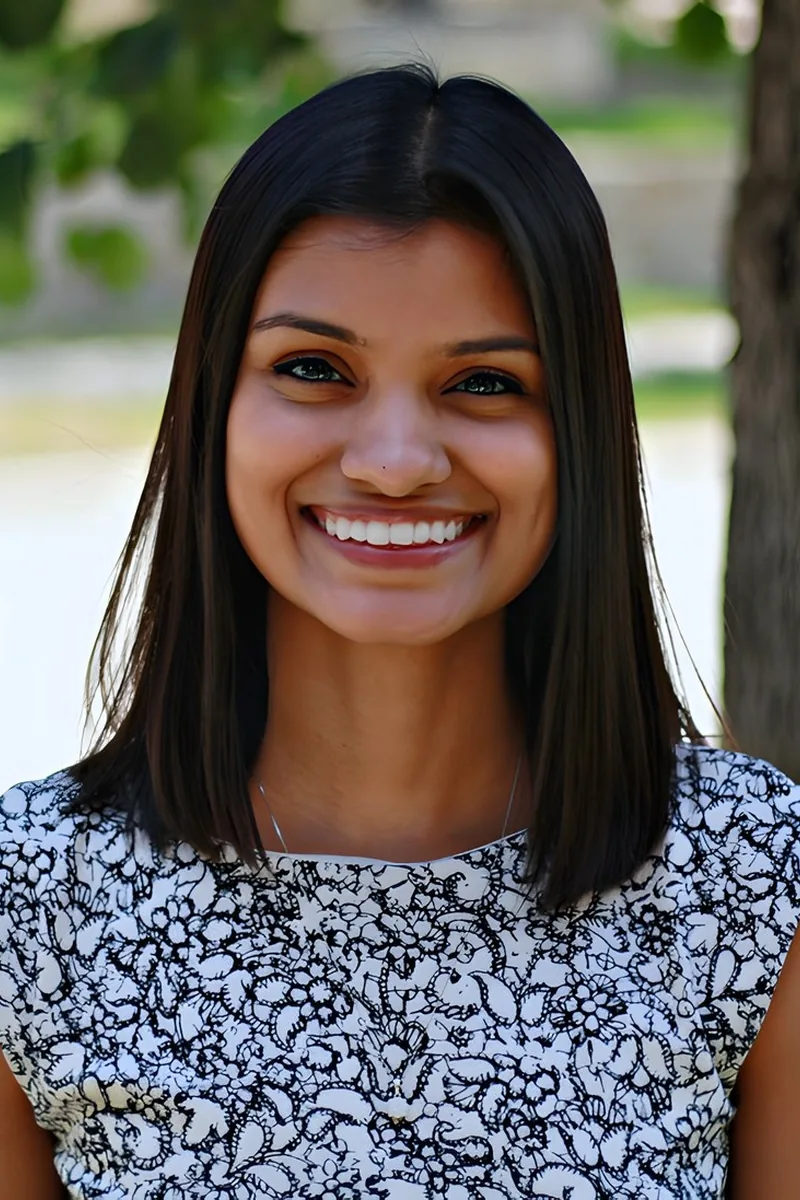
A biochemistry and cell biology degree from Rice plus medical school at Baylor means Sugi has traced embryonic development from both the bench and the clinic — she knows how morphogen gradients and differential gene expression look in a textbook and how developmental errors present in a patient. She teaches the subject by connecting each molecular event to its clinical consequence, turning abstract signaling cascades into something students can visualize and reason through.
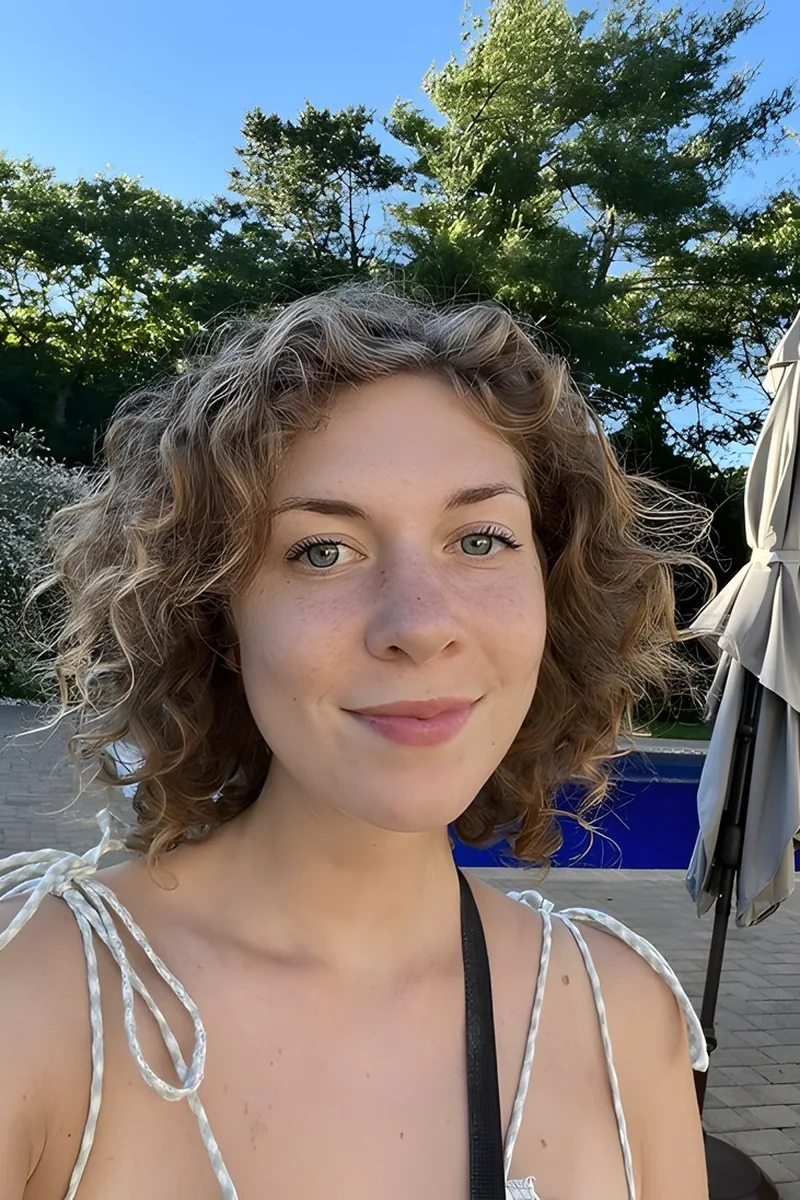
Gastrulation, cell fate determination, and morphogen gradients require thinking simultaneously about molecular signaling and large-scale tissue organization. Zosia's molecular and cell biology training at Yale gives her a strong handle on the gene expression cascades — like Hox genes and Wnt pathways — that drive embryonic development. She teaches these processes as interconnected systems rather than isolated vocabulary lists.
From gastrulation and axis formation to cell fate determination and organogenesis, developmental biology demands that students think in four dimensions — space plus time. Abrahim's medical training at the Medical College of Wisconsin means he encounters embryological concepts clinically, which lets him connect textbook signaling pathways like Hedgehog and Wnt to real developmental outcomes students can visualize.
Maxwell's current research at Yale tracks changes in stem cells and gene expression during planarian physiological processes — organisms famous for their regenerative capacity, which makes them a living case study in cell fate decisions, tissue patterning, and differentiation. That hands-on lab work means he can teach concepts like stem cell pluripotency and gene regulatory networks from direct experience, not just textbook diagrams. Rated 5.0 by students.
Medical school embryology at Robert Wood Johnson means Rithi traces developmental processes — neural tube closure, somitogenesis, limb patterning — in the context of what goes wrong clinically when they fail. Her neuroscience and biotechnology training built the molecular foundation, but it's the clinical lens that lets her explain why a disrupted Sonic hedgehog gradient leads to holoprosencephaly rather than just describing the pathway in the abstract. Rated 4.9 by students.
Genome editing research at Rice gave Emmanuel a hands-on understanding of how precise genetic changes ripple through developmental processes — the kind of intuition that makes topics like differential gene expression and cell fate commitment feel tangible rather than theoretical. His behavioral biology training at Johns Hopkins ties molecular-level events to organism-level outcomes, connecting early embryonic signaling to the complex structures and behaviors that emerge later in development.
Gastrulation, organogenesis, and cell fate determination require students to think in four dimensions — three spatial plus time. Saloni's dental training gave her detailed exposure to craniofacial development and embryology, so she unpacks these processes using specific tissue examples rather than generic diagrams.
As a UNC Chapel Hill student with coursework spanning cell biology and science, Isabel grounds developmental biology concepts in the cellular behaviors that drive them — explaining how processes like differentiation and tissue formation emerge from the same cell signaling principles covered in introductory biology. Her approach breaks down embryological topics step by step, connecting each stage to the underlying cellular logic rather than presenting development as a sequence to memorize.
Studying neuroscience means tracking how a single fertilized cell becomes a functioning nervous system — gastrulation, neural tube formation, axon guidance, and the signaling cascades that pattern an embryo. Mitchell unpacks these developmental mechanisms by tying each stage back to the molecular signals driving it, which makes complex fate-mapping and induction problems far more intuitive.
From gastrulation to organogenesis, developmental biology requires thinking in four dimensions — how gene expression changes across both space and time. Karista's graduate training in molecular biology and genetics gives her a deep handle on the signaling pathways (Wnt, Hedgehog, Notch) and transcription factor cascades that drive cell fate decisions. She breaks down these intricate processes into clear, sequential logic rather than a blur of vocabulary.
Jack's biomedical engineering master's at Michigan included extensive coursework in how cells differentiate, migrate, and organize into tissues — the core mechanics underlying embryonic development. He ties signaling concepts like morphogen gradients and gene regulatory networks back to the engineering perspective of systems behaving dynamically, which gives students a different way to reason through processes like fate specification and pattern formation.
From gastrulation to organogenesis, developmental biology requires tracking intricate signaling cascades — Wnt, Hedgehog, Notch — across space and time. Nathaniel's biochemistry background means he can unpack these pathways at the protein level, connecting gene expression patterns to the physical structures they produce in a developing embryo.
Environmental science might seem far from embryology, but Courtney's biology foundation — understanding how organisms develop within and respond to their ecosystems — gives her a useful framework for teaching concepts like cell differentiation, morphogen gradients, and how environmental signals influence gene expression during development. She approaches the subject by grounding molecular processes in their larger biological context, making it easier for students to see why each developmental stage matters rather than treating them as isolated facts.
I am an enthusiastic and diligent Pharmacist with a real passion for healthcare; with seven years' experience in most areas of practice in healthcare, from patient care in hospital, clinical research and lecturing in medical college.
Gastrulation, cell fate determination, morphogen gradients — developmental biology asks students to think in four dimensions, tracking how spatial organization changes over time. Liana's background in cell biology and molecular genetics means she can unpack the signaling pathways behind each developmental stage, linking what's happening at the molecular level to what's visible in the embryo.
From gastrulation to organogenesis, developmental biology demands visualizing how a single cell becomes a complex organism through precisely timed gene expression. Chantelle tackles these cascades — Hox genes, morphogen gradients, cell fate determination — by mapping each stage to the signaling pathways that drive it. Her current pre-med coursework at UT Austin means these topics are fresh, not something she's recalling from years ago.
From gastrulation to organogenesis, developmental biology asks students to think in four dimensions — tracking how gene expression changes across both space and time. Pallavi's graduate training in biology and her neurobiology specialization at Penn make her especially effective at explaining signaling pathways like Notch and Hedgehog and showing how a single fertilized cell builds complexity step by step.
Gastrulation, cell fate determination, morphogen gradients — developmental biology asks students to think in four dimensions, tracking how gene expression changes across both space and time. Katie's neuroscience and human physiology studies at Boston University give her hands-on familiarity with embryonic development and the signaling pathways that drive differentiation. She unpacks complex cascades like Notch and Wnt signaling by tying them to the observable structures they produce.
From gastrulation to organogenesis, developmental biology asks students to think in four dimensions — tracking how gene expression changes across both space and time. Tetyana's neuroscience background included extensive study of embryonic neural development, so she unpacks signaling pathways like Notch and Hedgehog by connecting them to the real tissue-level outcomes students can visualize.
Studying biopsychology at Tufts meant Elizabeth spent serious time with embryonic development — gastrulation, cell fate determination, morphogen gradients, and the signaling pathways that turn a single cell into a differentiated organism. Now in medical school at Hofstra, she connects those molecular mechanisms to clinical examples that make concepts like induction and pattern formation click. Rated 5.0 by students.
From gastrulation to organogenesis, developmental biology demands thinking in four dimensions — spatial patterning unfolding over time. Brody's background in neuroscience and molecular biology gives him a sharp handle on the signaling pathways (Wnt, Hedgehog, Notch) that drive cell fate decisions, and he teaches students to trace how a single morphogen gradient can organize an entire body axis.
Zarrin's neuroscience and child development double major at Mount Holyoke means she studied the same organism from two angles — the molecular events that build a nervous system and the behavioral milestones that emerge from those structures. That combination gives her an unusual fluency with topics like neurulation and CNS patterning, while also grounding later-stage processes like synaptogenesis in the developmental timeline students need to master. Rated 4.9 by students.
Gastrulation, fate mapping, Hox gene patterning, and inductive signaling — developmental biology asks students to think in four dimensions, tracking how gene expression changes across both space and time. Michael's graduate work in biology gave him deep exposure to these molecular and cellular mechanisms, and he teaches the subject by building each stage of embryogenesis logically from the one before it.
Jessica's undergraduate concentration in Human Growth and Development is a direct match for developmental biology — she studied the molecular and cellular events that drive embryogenesis, tissue differentiation, and organogenesis in depth. Her M.S. in Biomedical Sciences adds another layer, letting her dig into signaling pathways like Wnt, Hedgehog, and Notch that control cell fate decisions throughout development.
Running a postdoctoral lab at Harvard Medical School's Brigham and Women's Hospital means Patrick works daily with the cellular and molecular mechanisms — signal transduction, gene regulation, differentiation — that developmental biology courses are built around. His PhD in cellular and molecular biology gives him the depth to unpack how processes like morphogen gradient interpretation actually commit cells to specific fates, rather than just presenting each embryonic stage as a sequence to memorize. Rated 5.0 by students.
Gastrulation, cell fate determination, morphogen gradients — developmental biology demands that students think in four dimensions, tracking how gene expression changes across both space and time. Ritu draws on her molecular and cell biology knowledge to walk through signaling pathways like Wnt and Hedgehog in concrete terms, making embryonic patterning feel less like memorization and more like a logical sequence.
Gastrulation, cell fate determination, morphogen gradients — developmental biology sits at the intersection of cell biology, molecular biology, and genetics, and that's exactly where Ashley's expertise clusters. She unpacks signaling pathways like Wnt and Notch by connecting them to the cellular mechanisms students already know, building each stage of embryonic development into a coherent narrative.
A cell and molecular biology degree from Michigan means Michael spent semesters immersed in the signaling pathways and gene expression mechanisms that drive embryonic development — from how morphogens establish concentration gradients to how cells interpret those signals to commit to specific lineages. He teaches developmental biology by grounding each stage in the underlying cell biology, so processes like neural tube formation or somitogenesis connect back to the molecular events students already understand from their intro courses.
Orlando's neuroscience undergraduate work at Brown required tracing how neural progenitor cells arise, differentiate, and migrate during embryogenesis — a process that only makes sense when you understand the upstream developmental events like germ layer specification and inductive signaling. His MD training in molecular medicine deepened that foundation, giving him fluency with the gene regulatory networks and signaling pathways that coordinate everything from axis formation to tissue-specific differentiation. Rated 4.8 by students.
Gastrulation, cell fate determination, morphogen gradients — developmental biology is one of the most spatially demanding courses in the life sciences. Emily explains embryonic patterning and gene regulation by layering concepts step by step, starting with signaling pathways students already know and building toward the complexity of organogenesis and tissue differentiation.
Few tutors can teach developmental biology from the bench rather than just the textbook — Lauren earned her Ph.D. in Genetics and Molecular Biology, where embryonic signaling pathways, cell fate determination, and morphogen gradients were part of her daily research. She unpacks complex processes like gastrulation and organogenesis by connecting them to the underlying genetic mechanisms that drive each stage.
Gastrulation, cell fate determination, and morphogen gradients can feel impossibly abstract until someone maps out the signaling pathways driving each stage. Sam's doctoral training in biochemistry at Drexel means he understands the molecular machinery — Wnt, Hedgehog, Notch — behind embryonic patterning and tissue differentiation. He teaches developmental biology as a logical chain of molecular events rather than a list of stages to memorize.
Gastrulation, cell fate determination, Hox gene patterning — developmental biology demands that students visualize three-dimensional changes driven by molecular signals. Michelle unpacks these processes by linking the signaling cascades (Wnt, Notch, Hedgehog) to the physical tissue movements they produce, drawing on her molecular and cell biology expertise. That molecular-first approach turns memorization-heavy embryology into something students can reason through.
Most developmental biology courses move fast from fertilization through organogenesis, and students who fall behind on early concepts like induction and fate mapping struggle to make sense of later material. Mariam's biology degree gave her a strong grasp of the cellular and molecular machinery — morphogen signaling, differential gene expression — that ties each developmental stage to the next. Rated 5.0 by students, she teaches by building each new concept directly onto the last so the timeline holds together.
I am a law student, but I took an unusual route to get there. I used to attend medical school but had a change of heart in my career path. Part of this was due to my political science major (double major with biology) in college as well as a number of Spanish and other courses that I took. Tutoring is something, I feel, that has come naturally to me, even back to my high school days. My goal is to help you learn as much as you can and reach your true potential. I will work hard to make sure that this happens, as long as you put in the work, too! We will work together to tailor your learning experience to your needs.
Studying how a single fertilized egg becomes a complex organism means juggling cell signaling pathways, gene regulation, morphogen gradients, and tissue differentiation all at once. Katherine approaches developmental biology by walking students through each stage of embryonic development chronologically, layering in molecular detail so the cascade of events feels like a story rather than a disconnected list of vocabulary terms.
A biology degree built around cell biology, molecular genetics, and biochemistry means Steven already speaks the language developmental biology runs on — differential gene expression, intercellular signaling, and the molecular switches that push a cell toward one fate over another. He teaches embryological concepts like gastrulation and pattern formation by grounding them in the same cellular and genetic logic students encounter across his other biology subjects, which makes the timeline of development feel mechanistic rather than memorized. Rated 5.0 by students.
Teaching gross anatomy as an adjunct professor at Downstate Medical Center means Marcos regularly traces adult structures back to their embryonic origins — explaining how a heart septum or a brachial arch derivative got there requires fluency with the signaling events, cell migrations, and tissue interactions that built it. His medical school training in embryology and his earlier cell biology lab work give him command of the molecular detail behind processes like gastrulation, somitogenesis, and organogenesis, while his anatomy teaching keeps him anchored in the structural outcomes those processes produce.
As a passionate biologist with a PhD in Developmental Biology from Stanford University, I bring a unique blend of academic expertise and a hands-on teaching approach to my tutoring sessions. With experience in guiding students through complex concepts in AP Biology, Cell Biology, and Genetics, I focus on tailoring each lesson to meet individual learning goals. My methodology emphasizes interactive problem-solving and real-world applications, fostering a supportive environment where students can thrive. I believe in making learning engaging by incorporating memory devices and fun facts that spark curiosity. I'm excited to inspire the next generation of scientists and help students unlock their potential in biology.
Testimonials
Because the right Developmental Biology tutor makes all the difference.
Average Session Rating – Based on 3.4M Learner Ratings
Top 20 Science Subjects


Top 20 Subjects
Frequently Asked Questions
Students often find embryonic induction, cell signaling cascades, and axis formation particularly challenging because they require visualizing dynamic 3D processes that unfold over time. Pattern formation and the molecular mechanisms behind morphogenesis—like how the Hox gene clusters control body plan development—demand strong spatial reasoning and the ability to connect molecular signals to observable anatomical outcomes. Additionally, understanding the timing and regulation of developmental events across different model organisms (fruit flies, zebrafish, frogs, mice) requires synthesizing information across multiple systems rather than memorizing isolated facts.
A tutor can break down complex processes like gastrulation or neurulation into step-by-step sequences, using diagrams, animations, and physical models to show how cell layers move and interact. They can also connect molecular events (like Wnt signaling or notch-delta interactions) to the actual tissue changes students see in lab, making abstract signaling pathways feel concrete. Many students benefit from drawing out developmental stages themselves while explaining what's happening—this active reconstruction helps cement understanding far better than passive reading.
A strong tutor helps you interpret what you're actually observing in the microscope or in live embryo observations by connecting it to the underlying molecular mechanisms you're learning in class. For example, if you're observing sea urchin or zebrafish development, a tutor can explain why specific morphological changes occur at particular stages and what genes or signaling molecules are driving those changes. They can also guide you through experimental design—helping you understand not just what happens, but why researchers chose specific model organisms or techniques to study developmental questions.
Different organisms reveal different developmental principles: fruit flies excel at showing segmentation and body axis formation, zebrafish allow real-time observation of transparent embryos, frogs provide large accessible embryos for classic experiments, and mice model mammalian development most closely. Rather than memorizing each organism separately, a tutor can help you identify the core developmental concepts that apply across all of them—like how conserved gene families control similar processes—so you're building a unified framework instead of isolated facts. This comparative approach also prepares you to understand why a particular organism was chosen for a specific research question.
A tutor can teach you to think like a developmental biologist by walking through classic experiments (like Spemann's organizer or modern CRISPR knockdown studies) and asking you to predict outcomes before revealing results. This builds your intuition for how developmental systems respond to perturbations. When designing your own experiments, a tutor helps you identify testable hypotheses, choose appropriate controls, and anticipate how you'd distinguish between competing mechanisms—skills that go far beyond memorizing experimental protocols and develop genuine scientific reasoning.
Developmental regulation involves multiple overlapping layers—transcription factors, signaling pathways, chromatin remodeling, and post-transcriptional control—which can feel overwhelming. A tutor can help you organize these mechanisms by focusing on a few key principles: understanding how spatial information is established (morphogen gradients), how that information is interpreted (transcription factor thresholds), and how feedback loops refine developmental decisions. By mapping out specific examples (like dorsal-ventral patterning in Drosophila) in detail, you build mental models that apply to other developmental contexts, making the complexity feel more manageable.
The key is shifting from "what happens" to "why it happens" by constantly asking mechanistic questions: What genes are expressed? What signals are being sent? How do cells respond? A tutor can coach you to predict what would happen if you mutated a specific gene or blocked a signaling pathway—if your prediction is wrong, that reveals a gap in your understanding worth exploring. Practice explaining developmental processes aloud without notes, focusing on the cause-and-effect relationships between molecular events and tissue changes, rather than reciting stages in sequence.
An effective developmental biology tutor should have strong expertise in molecular and cellular mechanisms, comfort with multiple model organisms, and experience interpreting experimental data. They should be able to explain complex signaling cascades clearly, help you visualize 3D developmental processes, and guide you through both conceptual understanding and experimental reasoning. Look for someone who asks probing questions to identify your specific gaps—whether that's struggling with gene regulation, spatial reasoning, or connecting molecular details to whole-organism development—rather than just reviewing lecture notes.
Let’s find your perfect tutor
Answer a few quick questions. We’ll recommend the right plan and match you with a top 5% tutor.