Award-Winning Clinical Psychology
Tutors
Clinical Psychology
Tutors
Private 1-on-1 tutoring, weekly live classes for academic support, test prep & enrichment, practice tests and diagnostics, and more to elevate grades and test scores.
Based on 3.4M Learner Ratings
UniversitiesSchools & Universities
DeliveredHours Delivered
ProficiencyGrowth in Proficiency
Who needs tutoring?
No obligation. Takes ~1 minute.
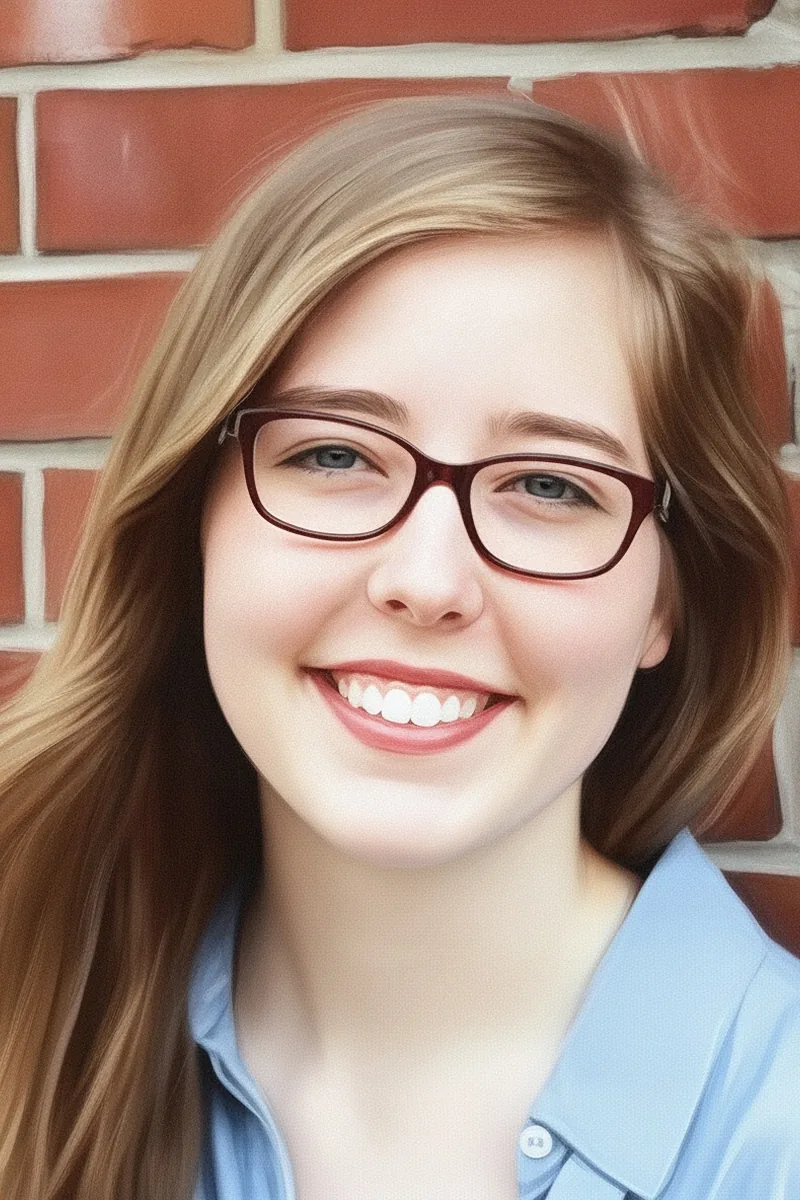
Frances earned her psychology degree magna cum laude from Duke, where she studied abnormal behavior, diagnostic frameworks like the DSM-5, and evidence-based therapeutic approaches. She breaks down clinical concepts — from cognitive-behavioral models to psychopathology case studies — in ways that connect theory to real-world practice.
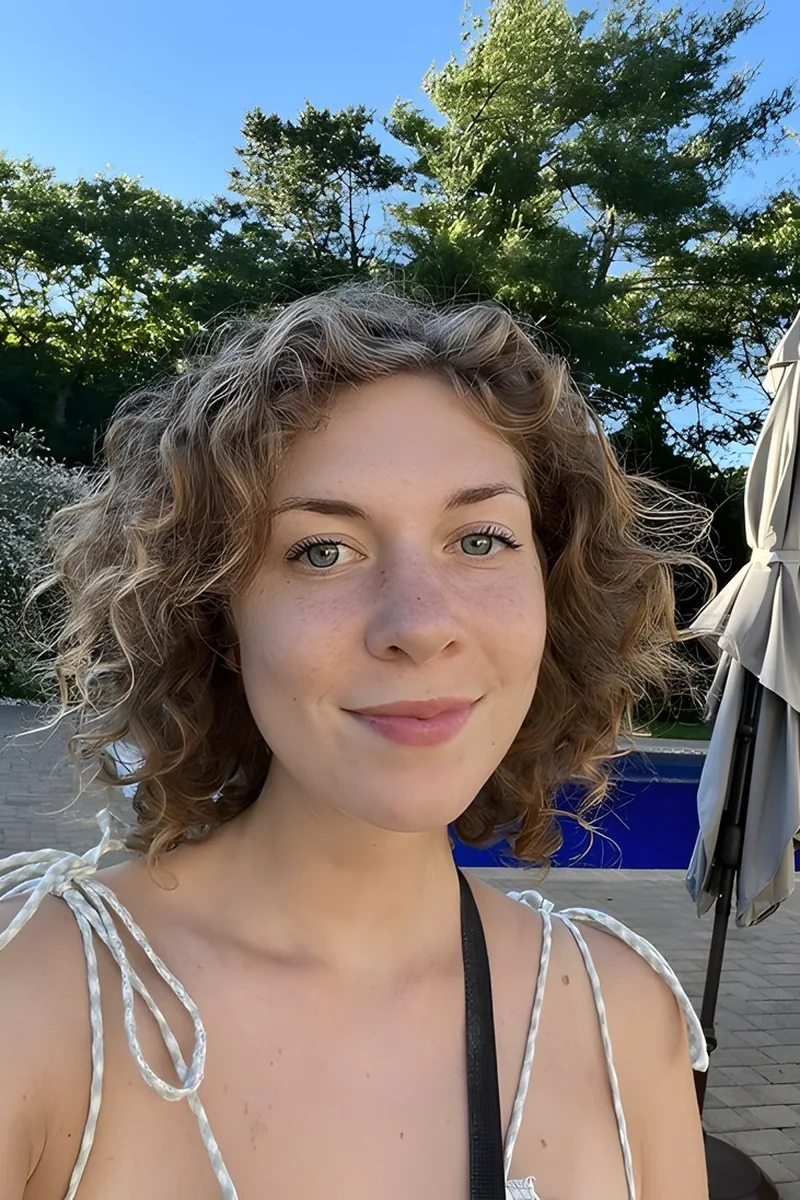
Zosia's background spans both the biological and behavioral sciences, which is exactly what clinical psychology demands — understanding how neurotransmitter pathways, cognitive frameworks, and diagnostic criteria from the DSM-5 all intersect. She unpacks topics like anxiety disorders, therapeutic modalities, and research methodology by connecting them to the underlying biology students often already know.
Niabari's psychology bachelor's and Master's in Health Care Delivery converge in a way that's particularly useful for clinical psych — she understands both the psychological theory behind disorders and the healthcare systems where treatment actually happens. That dual perspective sharpens her teaching on topics like treatment planning and evidence-based interventions, where knowing how clinical decisions play out in real delivery settings adds a layer most tutors can't offer. Rated 5.0 by students.
Currently completing her M.D. at the University of Rochester, Mica brings clinical training directly into her approach to psychology topics like psychopathology, diagnostic criteria, and therapeutic modalities. She connects DSM frameworks and research methodology to real patient scenarios, making abstract concepts in abnormal and clinical psych far easier to retain.
David's graduate studies in bioethics and medical ethics overlap directly with clinical psychology's toughest questions: how disorders are classified, where treatment intersects with ethics, and how diagnostic frameworks like the DSM actually get applied. He brings real familiarity with psychopathology, therapeutic modalities, and the research methods used to evaluate clinical outcomes.
Todd earned his Master of Social Work from the University of Chicago, where clinical practice is a core component of the curriculum — meaning he studied diagnostic frameworks, evidence-based interventions, and psychopathology in depth. He unpacks clinical psychology concepts like CBT techniques, DSM classification, and therapeutic alliance by drawing on both academic theory and applied training. Rated 5.0 by students.
Neuroscience training gives Julie a biological foundation that most psychology-only tutors lack — she can trace how neural circuitry and neurotransmitter systems underlie the disorders and symptom clusters students encounter in clinical psych coursework. That brain-behavior connection makes topics like psychopharmacology, the biological basis of mood and anxiety disorders, and the rationale behind specific therapeutic interventions far more intuitive. Rated 5.0 by students.
As a medical student at New York Medical College, Ryan encounters clinical psychology concepts — from DSM diagnostic criteria to cognitive-behavioral frameworks — in his coursework every week. He unpacks topics like abnormal behavior classifications, neurotransmitter pathways underlying mood disorders, and the research methods used to evaluate therapeutic outcomes, connecting textbook theory to the clinical cases that make it stick.
Elliot's PhD in Neuroscience means he teaches clinical psychology from the biological side up — connecting concepts like neurotransmitter dysfunction, neuroplasticity, and brain imaging to how disorders are actually diagnosed and treated. He unpacks the DSM-5 criteria alongside the neural mechanisms that underlie conditions from depression to schizophrenia, giving students a richer understanding than textbook definitions alone.
As a neuroscience PhD student at Columbia with an honours degree in Psychology from Brown, Kahini has deep grounding in the biological and behavioral frameworks that underpin clinical psychology. She unpacks topics like psychopathology classification, therapeutic modalities, and the research methods used in clinical trials, connecting textbook concepts to the current neuroscience research she encounters daily in her doctoral work.
Medical training gave Janet firsthand exposure to clinical psychology concepts that most tutors only know from textbooks — diagnostic criteria, psychopharmacology, therapeutic frameworks like CBT and psychodynamic theory. She teaches students to connect DSM classifications to real clinical reasoning rather than treating them as isolated definitions to memorize.
Victoria's PA training at Rutgers means she encounters clinical psychology concepts — diagnostic criteria, psychopathology, and patient assessment — in a hands-on medical context every week. She breaks down the DSM framework and behavioral theories by tying them to real clinical scenarios, making abstract diagnostic categories easier to internalize.
Hidefusa's academic path runs directly through clinical psychology: a Master of Liberal Arts at Harvard focused on the field, followed by doctoral work in clinical neuropsychology. He teaches topics like psychopathology, neuropsychological assessment, and evidence-based treatment modalities with the specificity that comes from having conducted research and studied cases firsthand. His proficiency in SPSS and Stata also makes him a resource for students navigating the quantitative side of clinical research.
Natalie's cognitive science program at Rice University digs into the brain-behavior connections that underpin clinical psychology — how memory systems relate to trauma responses, how neural circuits shape disorders like depression, and why certain therapeutic interventions work at a cognitive level. She brings a pre-med student's comfort with biological mechanisms to topics like psychopathology and assessment, making the science behind clinical frameworks concrete rather than abstract.
Leanna is actively pursuing a path toward becoming a therapist, which means clinical psychology isn't just academic for her — it's the lens she's building a career through. She digs into diagnostic criteria, therapeutic modalities like CBT and psychodynamic approaches, and the DSM framework with the kind of specificity that turns abstract concepts into material students can actually retain and apply.
Teaching 7th grade science in New York City means Jay regularly navigates behavioral and developmental differences in the classroom — recognizing when a student's struggles stem from anxiety, attention issues, or environmental stressors rather than academic ability alone. That everyday triage mirrors the diagnostic thinking clinical psychology courses demand, and his economics background adds a structured, systems-level approach to understanding how social determinants shape mental health outcomes.
Currently interning in the psychiatry department at Lurie Children's Hospital, Anna is immersed in clinical psychology daily — from diagnostic assessment to evidence-based treatment modalities like CBT and DBT. She unpacks the DSM-5 not as a catalog to memorize but as a framework for understanding how disorders are classified, differentiated, and treated. Her pediatric psychiatry concentration makes her especially fluent in developmental psychopathology.
A self-described 'unrepentant Freud apologist' with a Columbia psychology degree, Davien brings genuine enthusiasm to the theoretical foundations of clinical psychology — psychodynamic models, diagnostic frameworks, and the debates over treatment efficacy that define the field. He connects clinical concepts to case examples and primary texts in ways that make abstract theory concrete.
As a doctoral student actively training in clinical psychology at Fairleigh Dickinson, Neha teaches this subject from the inside — current DSM-5 diagnostic criteria, evidence-based treatment modalities like CBT and DBT, and the ethical complexities of clinical assessment. She connects textbook concepts to real clinical scenarios, which makes dense material far easier to retain.
As a psychology major actively immersed in coursework on psychopathology, therapeutic modalities, and diagnostic frameworks, Audrey brings current textbook knowledge to clinical psychology sessions. She unpacks the DSM-5 criteria, distinguishes between similar disorders, and explains research methodologies in ways that make dense material manageable. Students preparing for exams or working through case studies get someone who recently wrestled with the same material.
As a first-year medical student with a psychology degree from Notre Dame, Kristen brings clinical psychology concepts to life by connecting textbook theories to real diagnostic and treatment contexts. She digs into topics like psychopathology classification, therapeutic modalities, and the biopsychosocial model with the depth of someone actively applying this knowledge in her medical training.
Law school trains you to dissect case studies, weigh competing interpretations of behavior, and argue for one framework over another — skills that map directly onto clinical psychology's diagnostic reasoning and case conceptualization. Ardis brings that analytical rigor from her legal education to topics like evaluating treatment approaches and understanding how ethical boundaries shape clinical practice. Her background in comparative government also adds a policy-level perspective on how mental health systems operate.
Abnormal psychology textbooks can feel like an avalanche of diagnostic criteria, treatment modalities, and overlapping symptom profiles. Kate teaches abnormal psychology at the university level and holds a master's in public mental health with a focus on adolescent health, giving her clinical knowledge that goes well beyond what's in the DSM chapter summaries. She walks through case conceptualization, differential diagnosis, and the biological-psychological-social framework that ties it all together.
As a psychology major at Yale, Stephen engages with clinical psychology material daily — from diagnostic frameworks in the DSM-5 to research methods behind cognitive-behavioral and psychodynamic therapies. He unpacks complex topics like abnormal behavior classification, treatment efficacy studies, and the ethical considerations that shape clinical practice.
I am a graduate of UC San Diego with a Bachelors in Neuroscience through the Psychology department. After graduating, I went to Michigan Technological University and did some graduate work, before moving to Texas to be closer to my parents. I did my alternative certification program through Texas Teachers and am highly qualified to teach Science for grades 7-12. I have been a teacher in public and charter schools for the last four years, and have tutoring experience extending over ten years behind me as well.
Studying how brain cells form and communicate at synapses during her PhD and postdoctoral work at Duke gives Kristina an unusually detailed grasp of the neurobiology underneath clinical disorders — she can explain why an SSRI targets specific receptor systems or how synaptic dysfunction contributes to conditions like schizophrenia and depression. That mechanistic depth turns psychopharmacology and biological models of psychopathology from rote memorization into something students can actually reason through. Holds a 5.0 rating.
As a pre-med student with a public health minor, Siri engages with clinical psychology from a science-first perspective — neurotransmitter pathways, diagnostic criteria in the DSM, and the research methods behind therapeutic interventions. She unpacks dense terminology by connecting it to real clinical scenarios, making concepts like cognitive-behavioral frameworks or abnormal psych classifications easier to retain and apply on exams.
Having earned her bachelor's in psychology from Boston College, Katrina is grounded in the foundational theories and research methods that clinical psychology builds on — from diagnostic frameworks in the DSM to the distinctions between cognitive-behavioral, psychodynamic, and humanistic approaches. She unpacks case studies and experimental design in ways that prepare students for both exams and upper-level coursework.
Studying clinical psychology means wrestling with diagnostic criteria, therapeutic modalities, and the research methods that validate them. As a neuroscience and psychology double major at CU Boulder, Brockton unpacks topics like the DSM framework, cognitive-behavioral approaches, and psychopathology by tying them back to the underlying brain science that makes each concept more intuitive.
Ehigbor's premed coursework — covering biology, life sciences, and the physiological underpinnings of behavior — gives her a useful entry point into clinical psychology topics like the biological basis of mental disorders and psychopharmacology. She also draws on her extensive writing and reading instruction background to teach students how to construct case conceptualizations and critically evaluate clinical research literature. Rated 5.0 by students.
Currently pursuing a graduate degree in Counseling Psychology, Hanna is immersed in the clinical side of the field right now — intake assessments, evidence-based treatment planning, and the therapeutic relationship dynamics that textbooks describe but practicum makes real. That active training means she can walk students through concepts like client conceptualization and intervention selection with the freshness of someone applying them weekly, not recalling them from years ago.
As a medical student with a bachelor's in psychology, Kelli bridges the gap between textbook definitions of clinical disorders and the biological mechanisms underlying them — neurotransmitter pathways, diagnostic criteria from the DSM-5, and the evidence base behind CBT versus pharmacological interventions. She unpacks case studies in a way that makes differential diagnosis feel intuitive rather than overwhelming.
Pursuing dual degrees in psychology and economics, Julia brings her psych coursework directly to bear on clinical topics like abnormal behavior, diagnostic reasoning, and the interplay between socioeconomic factors and mental health outcomes. The economics training sharpens a less obvious skill: thinking in systems and incentives, which translates well when unpacking how environmental and structural variables feed into case conceptualization and treatment planning.
Studying clinical psychology means absorbing diagnostic criteria, treatment modalities, and the research evidence behind both. Naushaba approaches the subject through an epidemiological lens, connecting concepts like prevalence, risk factors, and comorbidity patterns to the clinical picture. She unpacks the DSM categories and outcome studies in a way that makes the material stick beyond exam day.
Megan earned her B.S. in Psychology and brings firsthand academic depth to clinical psychology concepts like diagnostic criteria, therapeutic modalities, and the distinctions between disorders that students often conflate. She unpacks case studies by walking through the DSM framework systematically, connecting symptoms to diagnoses to evidence-based treatment approaches.
Katherine's degree in behavioral neuroscience from Lehigh and her current MPH work at George Washington give her direct fluency with the concepts that define clinical psychology — from DSM diagnostic criteria and therapeutic modalities like CBT to the biological underpinnings of disorders like depression and schizophrenia. She unpacks case studies by connecting symptoms to underlying mechanisms, which makes differential diagnosis feel logical rather than like rote memorization.
AP Psychology and philosophical ethics both show up in Claudia's teaching repertoire, and that combination matters for clinical psychology — ethical dilemmas around confidentiality, informed consent, and dual relationships are woven into every stage of clinical practice. She digs into how moral reasoning frameworks apply to real therapeutic scenarios, giving students a way to analyze case studies that goes beyond memorizing codes of conduct. Rated 5.0 by students.
Meredith's Child Development major at Vanderbilt gave her deep exposure to clinical psychology concepts — from abnormal behavior classifications in the DSM to developmental psychopathology and therapeutic intervention models. She connects theory to real-world case examples, making topics like anxiety disorders, attachment theory, and cognitive-behavioral frameworks easier to internalize and apply on exams.
Earning a psychology degree with Magna Cum Laude honors at UIUC means Ysatris didn't coast through her clinical coursework — she engaged deeply with material like psychopathology, assessment methods, and evidence-based treatment models. Her AP Psychology teaching experience reinforces that academic depth, and her Spanish fluency adds a practical edge when discussing how bilingual and multicultural factors influence clinical presentation and diagnosis.
Ryan's psychology degree and years teaching criminology at the university level give him a practical lens on clinical psychology — from DSM diagnostic criteria to the research methods behind cognitive-behavioral interventions. He unpacks case studies and experimental designs so students understand not just what a disorder looks like, but how clinicians actually assess and treat it.
Testimonials
Because the right Clinical Psychology tutor makes all the difference.
Average Session Rating – Based on 3.4M Learner Ratings
Top 20 Social Sciences Subjects


Top 20 Subjects
Frequently Asked Questions
Students often find it challenging to distinguish between different therapeutic approaches (cognitive-behavioral, psychodynamic, humanistic, etc.) and understand when each is most effective for specific disorders. Another common struggle is grasping the diagnostic criteria in the DSM-5—not just memorizing symptoms, but understanding how clinicians differentiate between similar conditions like Major Depressive Disorder and Persistent Depressive Disorder. Additionally, many students struggle to apply theoretical frameworks to case studies, especially when determining appropriate assessment methods or treatment plans that consider comorbidity and cultural factors.
Tutors help you move beyond memorizing diagnostic criteria to actually understanding how clinicians use multiple assessment methods—clinical interviews, psychological tests, behavioral observation, and collateral information—to build a diagnostic picture. They can walk you through real case examples, showing how to identify red flags, recognize differential diagnoses, and consider how cultural background, socioeconomic status, and comorbid conditions affect diagnosis and treatment selection. This builds the critical thinking skills you need to analyze complex clinical scenarios on exams or in case conceptualization assignments.
Clinical Psychology relies heavily on longitudinal studies, randomized controlled trials (RCTs) to test treatment efficacy, and single-case designs to evaluate individual treatment outcomes. You'll also encounter correlational research examining risk factors for disorders and meta-analyses synthesizing treatment effectiveness across multiple studies. A tutor can help you critically read empirical studies, understand why RCTs are the gold standard for treatment research, recognize limitations in study design, and apply research findings to real clinical decisions—such as understanding why a correlation between childhood trauma and depression doesn't prove causation, but RCT data on trauma-focused CBT does support its effectiveness.
Case conceptualization is where Clinical Psychology students often struggle most—it requires synthesizing diagnostic assessment, theoretical frameworks, and evidence-based treatment planning into a coherent narrative. Tutors can teach you a structured approach: identify presenting problems and symptoms, link them to DSM-5 criteria, consider biological/psychological/social factors (the biopsychosocial model), apply relevant clinical theories, and justify treatment recommendations with research evidence. Practice with real or realistic cases helps you learn to think like a clinician, moving beyond isolated facts to understanding how a person's history, context, and diagnosis inform individualized treatment.
This requires understanding how to read and critically evaluate treatment outcome research—knowing the difference between efficacy (does it work in controlled settings?) and effectiveness (does it work in real-world practice?). Tutors help you learn how to interpret effect sizes, recognize when sample sizes are too small to draw firm conclusions, and understand why some treatments have stronger empirical support than others. For example, you'll learn why Cognitive-Behavioral Therapy has robust RCT support for depression and anxiety, while understanding the nuances of how cultural factors and individual differences affect treatment outcomes across different populations.
Modern Clinical Psychology emphasizes that ethical practice and cultural competence aren't separate topics—they're central to every clinical decision. Tutors help you understand how to apply APA ethical principles (autonomy, beneficence, non-maleficence, justice, fidelity) to real dilemmas like confidentiality limits, informed consent, and dual relationships. You'll also learn to recognize how cultural factors (race, ethnicity, socioeconomic status, sexual orientation, disability) shape symptom presentation, diagnosis accuracy, and treatment engagement—for instance, how cultural differences in emotional expression can lead to misdiagnosis, or why therapeutic approaches must be adapted for cultural relevance. Exam questions increasingly test your ability to identify ethical violations and culturally sensitive practice.
Clinical Psychology writing demands more than summarizing theories—you need to construct evidence-based arguments about diagnosis, treatment, and outcomes. Assignments typically include case conceptualization papers (integrating theory and research into clinical reasoning), literature reviews (synthesizing treatment efficacy studies), and policy analysis essays (applying clinical research to real-world mental health issues). Tutors can help you learn to cite empirical research appropriately, distinguish between opinion and evidence, construct logical arguments about why certain interventions are recommended, and write with the precision clinical work demands. Strong writing demonstrates that you can think clinically—not just recite information.
AP Psychology devotes significant content to abnormal psychology and treatment approaches—you'll need to know major categories of disorders (anxiety, mood, schizophrenia spectrum, personality disorders), their symptoms and prevalence, and evidence-based treatments like psychotherapy and medication. The exam tests your ability to apply therapeutic approaches to scenarios, understand how biological, cognitive, and sociocultural factors contribute to disorders, and recognize limitations of diagnosis. Tutors help you move beyond memorizing disorder names to understanding the clinical reasoning behind diagnosis and treatment selection, which is what AP exam questions actually test.
Let’s find your perfect tutor
Answer a few quick questions. We’ll recommend the right plan and match you with a top 5% tutor.