Award-Winning Microbiology Tutors
serving Washington, DC
Microbiology
Tutors in Washington
Private 1-on-1 tutoring, weekly live classes for academic support, test prep & enrichment, practice tests and diagnostics, and more to elevate grades and test scores.
Based on 3.4M Learner Ratings
UniversitiesSchools & Universities
DeliveredHours Delivered
ProficiencyGrowth in Proficiency
Who needs tutoring?
No obligation. Takes ~1 minute.

Studying both Biology and Political Science at the college level, Andrea is immersed in microbiology coursework — from bacterial cell structure and metabolic pathways to viral replication cycles. She unpacks dense material by tying molecular-level processes to bigger-picture concepts like immune response and antibiotic resistance, which makes the details easier to retain.
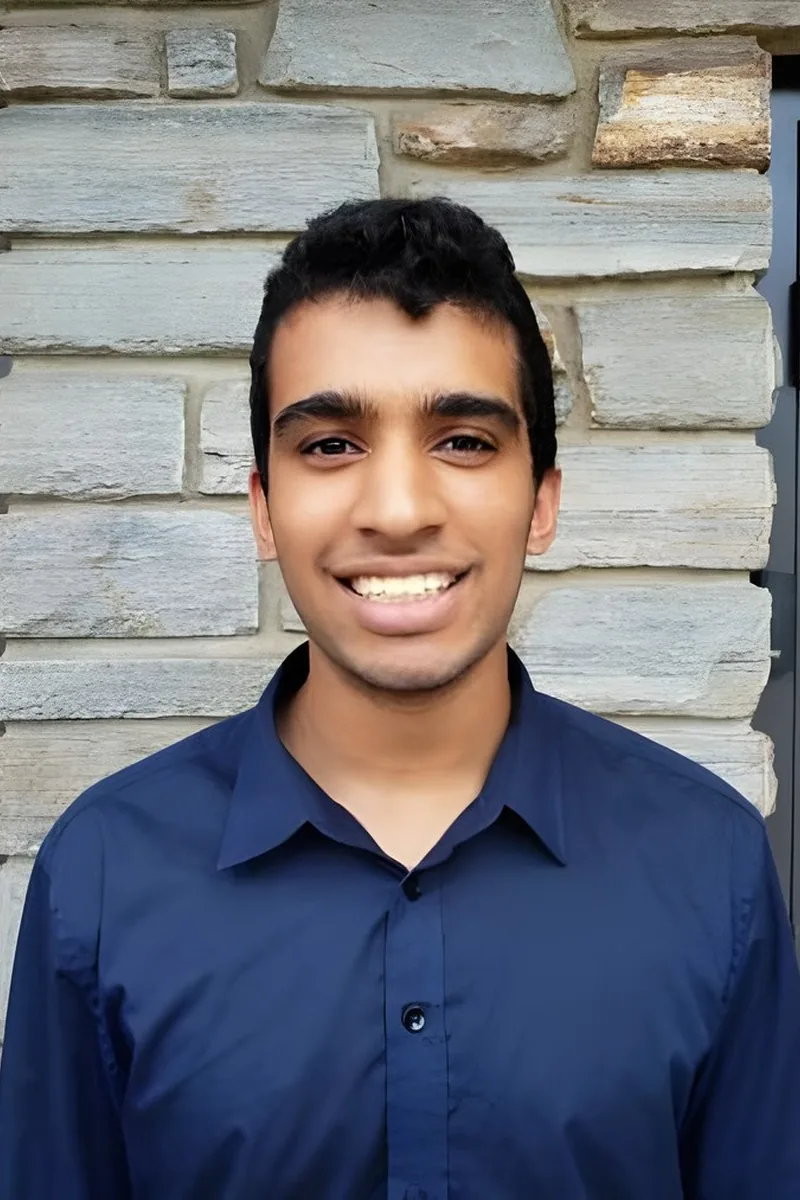
As a fourth-year medical student at Thomas Jefferson University, Anshel has spent years immersed in bacterial pathogenesis, antimicrobial mechanisms, and the clinical consequences of infections that microbiology courses describe in the abstract. He connects concepts like gram staining, virulence factors, and antibiotic resistance to the patient scenarios that make them memorable. That clinical lens turns dense microbiology material into something students can actually reason through on exams.
Understanding microbiology means more than memorizing bacterial classifications — it requires seeing how metabolic pathways, genetic regulation, and environmental pressures shape microbial behavior. Alec studied genetics, genomics, and development at Cornell and taught biology content in both lecture and small-group settings, giving him a knack for making concepts like quorum sensing or virulence factor regulation feel intuitive rather than overwhelming.
Between her molecular biology degree and her current biomedical science graduate program, Sierra has spent years working with bacterial physiology, microbial genetics, and host-pathogen interactions. She explains dense topics like gram staining protocols, metabolic pathways, and antimicrobial resistance mechanisms by tying them back to real clinical and research scenarios that make the material stick.
This is Brian's home turf. As a PhD microbiologist and associate professor of the subject at Collin County Community College, he unpacks everything from bacterial gene expression and metabolic pathways to virology and immunological responses with the specificity that upper-level coursework demands. Students get someone who reads the primary literature daily and can translate it into clear, testable understanding.
Ryan's master's work in cellular and molecular biology at Stanford, combined with hands-on synthetic biology research at NASA Ames, gave him deep fluency in microbial genetics, metabolic pathways, and laboratory techniques like PCR and gene cloning. He unpacks topics like bacterial pathogenesis and antimicrobial resistance by connecting them to the molecular mechanisms driving each process. Rated 5.0 by students.
Environmental science and public policy might seem distant from microbiology, but Ethan's coursework in biology, chemistry, and ecology covered the microbial ecology and nutrient cycling that underpin environmental systems — how soil bacteria drive nitrogen fixation, how waterborne pathogens behave in different conditions, and why microbial communities matter for public health policy. That environmental angle gives him a unique way of explaining concepts like bacterial metabolism and population dynamics, grounding abstract processes in real-world ecological contexts. Holds a 5.0 rating.
Between her Columbia nutrition degree and her PA training at Rutgers, Victoria has spent years studying bacterial metabolism, host-pathogen interactions, and immune responses at the cellular level. She unpacks microbiology concepts like gram staining protocols, virulence factors, and microbial genetics by tying them to clinical scenarios that make the material stick.
Rashida's PhD in Cellular and Molecular Biology means she teaches microbiology from the inside out — starting at the level of gene regulation, membrane transport, and molecular signaling before zooming out to how microorganisms behave in populations. Her doctoral research and experience leading discussions in cell biology and Mendelian genetics give her a particular knack for explaining how bacteria acquire and express resistance genes, or how horizontal gene transfer reshapes microbial communities. Rated 5.0 by students.
Understanding bacterial metabolism, viral replication cycles, and immune response pathways requires more than memorizing diagrams — it requires seeing how microorganisms interact with living systems. Li's training in both speech-and-hearing science and medicine gives her a clinical lens that makes microbiology concepts feel relevant and interconnected.
Medical school gave Amanda a front-row seat to microbiology that matters — bacterial pathogenesis, viral replication cycles, immune evasion strategies, and antimicrobial resistance. She teaches microbiology by organizing organisms around the mechanisms that make them dangerous or clinically important, which turns a subject that can feel like pure memorization into a set of logical patterns. Students preparing for exams or applying to health professions get a tutor who knows exactly how this material shows up later.
Bacterial genetics, microbial metabolism, and pathogenesis mechanisms can feel like an overwhelming amount of detail to absorb at once. Akarsh earned both his bachelor's and master's degrees in cellular and molecular biology, so he unpacks microbiology at the molecular level — connecting gene regulation to virulence factors and metabolic pathways in ways that make the material stick.
Understanding microbiology means getting comfortable with organisms you can't see — bacterial cell structure, viral replication cycles, and the metabolic pathways that keep microbes alive. Varuna's graduate work in biomedical engineering at Tufts involved the biological mechanisms that underpin infection and immunity, giving her a practical lens for teaching concepts like gram staining, antibiotic resistance, and microbial genetics.
Testimonials
Because the right Microbiology tutor makes all the difference.
Average Session Rating – Based on 3.4M Learner Ratings
Other Washington Tutors
Related Science Tutors in Washington
Frequently Asked Questions
A comprehensive microbiology course usually covers cell structure and function, microbial growth and reproduction, metabolism, genetics, and the role of microorganisms in disease and the environment. Students also learn about different types of microorganisms—bacteria, viruses, fungi, and protists—and their characteristics. Many courses include laboratory work where students practice culturing, staining, and identifying microorganisms, as well as studying antimicrobial resistance and immune responses. The specific topics may vary depending on whether you're taking a general microbiology course, medical microbiology, or an advanced elective.
Microbiology lab work requires both technical precision and conceptual understanding—you need to know not just how to perform a procedure, but why each step matters. Personalized 1-on-1 instruction allows tutors to break down complex techniques like Gram staining, culture preparation, and microscopy, explaining the scientific reasoning behind each stage. Tutors can help you interpret lab results, troubleshoot unexpected outcomes, and connect your observations back to the underlying microbiology principles. This bridges the gap between hands-on practice and theoretical knowledge, helping you develop the scientific thinking skills that lead to successful experiments.
Microbiology can feel overwhelming when you're memorizing pathways, species names, and disease mechanisms without grasping the bigger picture. The key is connecting concepts—understanding why bacteria develop antibiotic resistance requires knowing how they reproduce and mutate, for example. Working with expert tutors helps you build these conceptual bridges by using real-world examples, visual models, and problem-solving approaches rather than rote memorization. Tutors can help you create mental frameworks for organizing information, such as grouping microorganisms by their characteristics or understanding disease progression step-by-step, so facts stick because they're connected to a larger story.
One of microbiology's biggest challenges is understanding processes happening at a scale invisible to the human eye. Personalized tutoring helps by using multiple visualization strategies: diagrams, animations, physical models, and analogies that translate abstract concepts into tangible ideas. For example, a tutor might explain bacterial cell division by comparing it to familiar processes, or walk through protein synthesis step-by-step using visual representations. Many students benefit from drawing their own diagrams to reinforce understanding, discussing why certain structures matter, and applying these concepts to real scenarios like how antibiotics target specific cellular components. This combination of visual, verbal, and kinesthetic learning helps the abstract become concrete.
Struggling with particular topics is completely normal—microbiology covers dense, interconnected material that builds on chemistry and biology foundations. Varsity Tutors connects you with tutors who can diagnose exactly where your understanding breaks down, whether it's the fundamentals you're missing or just the way the topic is being presented. A tutor can slow down complex material like metabolic pathways or bacterial genetics, work through problems step-by-step, identify gaps in your prerequisite knowledge, and use alternative explanations and examples tailored to how you learn best. With focused, personalized instruction, challenging topics become manageable.
Effective exam prep in microbiology requires moving beyond last-minute cramming to build deep understanding throughout the course. Start by reviewing all notes and identifying concepts you find unclear, then organize material into logical groups—by organism type, disease pathway, or metabolic process. Practice problems and old exams are invaluable because they show you how concepts are tested and what reasoning is expected. A tutor can create a customized study plan addressing your specific weak areas, quiz you strategically using retrieval practice (which strengthens memory), and help you connect isolated facts into coherent explanations. This approach builds confidence and helps you tackle unfamiliar questions on test day using real understanding rather than memorized facts.
Microbiology isn't just academic—it's directly relevant to medicine, public health, food safety, biotechnology, environmental science, and emerging fields like personalized medicine and synthetic biology. Understanding how microorganisms cause disease helps you appreciate why vaccination works, how antibiotics are developed, and why antimicrobial resistance is a critical global challenge. Learning about microbial metabolism leads to applications in fermentation, biofuel production, and industrial processes. Tutors can help you explore these real-world connections while you're learning, making concepts more meaningful and relevant. This context transforms microbiology from abstract theory into a field solving real problems—which often makes material stick better and increases motivation.
Let’s find your perfect tutor
Answer a few quick questions. We’ll recommend the right plan and match you with a top 5% tutor.