Award-Winning Conversational French
Tutors
Conversational French
Tutors
Private 1-on-1 tutoring, weekly live classes for academic support, test prep & enrichment, practice tests and diagnostics, and more to elevate grades and test scores.
Based on 3.4M Learner Ratings
UniversitiesSchools & Universities
DeliveredHours Delivered
ProficiencyGrowth in Proficiency
Who needs tutoring?
No obligation. Takes ~1 minute.
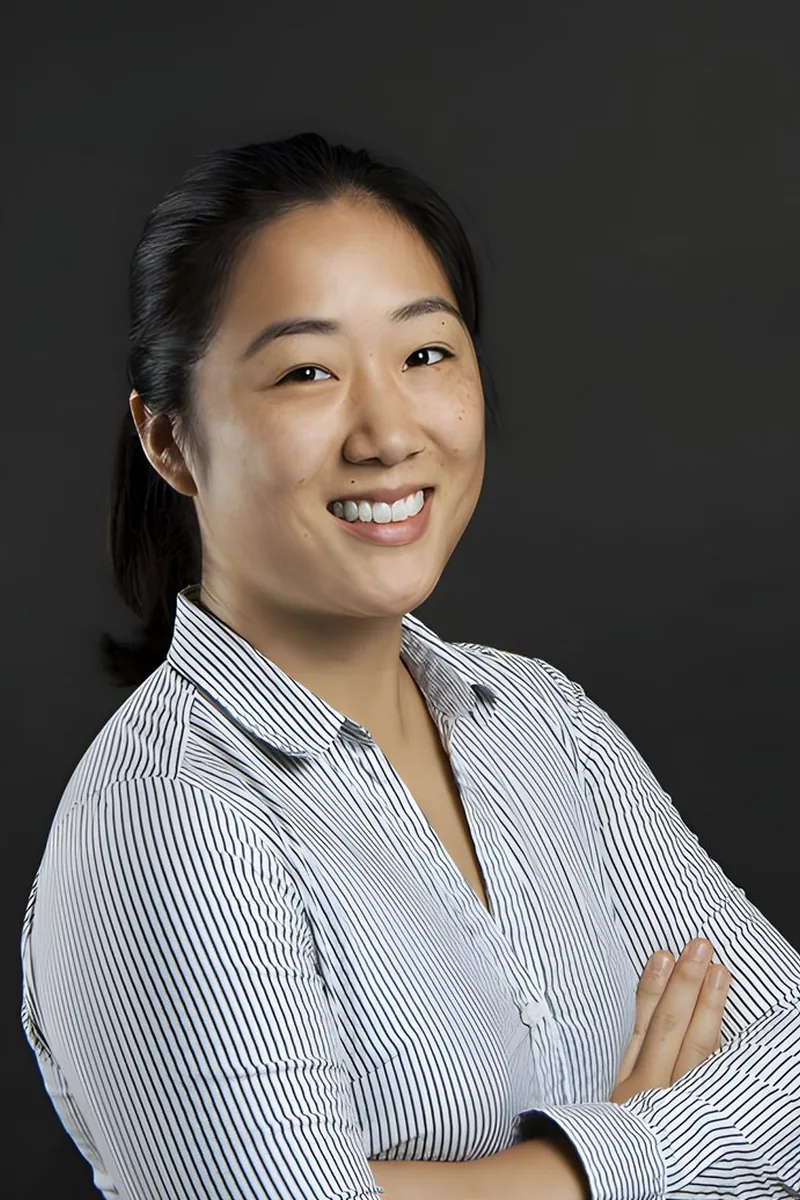
Asta's multilingual background and ESL teaching experience give her sharp instincts for what makes conversational language acquisition stick: repetition in context, not rote drills. She applies that approach to French conversation by building sessions around everyday situations like café interactions, travel logistics, and opinion-sharing, so vocabulary and grammar develop naturally.
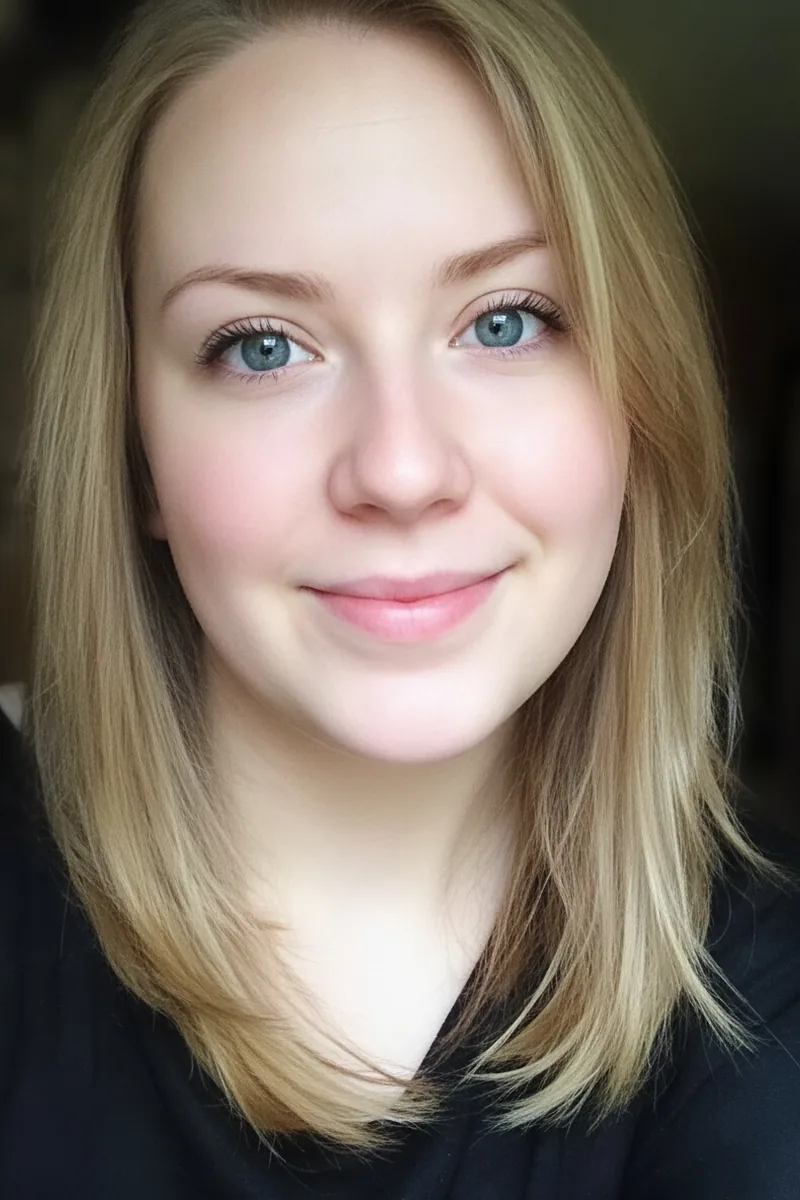
Speaking French fluently requires breaking the habit of mentally translating from English, and that shift doesn't happen through textbook drills alone. Lauren, who holds a BA in French, builds conversational sessions around real scenarios — ordering at a restaurant, debating a topic, narrating a weekend — so students develop the reflexes to think in French rather than through it.
Getting comfortable speaking French means moving past the mental translation step — thinking in liaisons, elisions, and natural phrasing instead of assembling words one by one. Sherry's approach leans on her linguistics degree to pinpoint exactly where a student's spoken French breaks down, whether that's vowel sounds, informal registers, or the filler phrases that make conversation sound natural.
Conversational fluency stalls when students translate in their heads instead of thinking in French. Emily spent years immersed in French at Yale as a double major, and she uses that experience to push students past the mental translation barrier — practicing real-time responses, natural phrasing, and the informal register that textbooks rarely cover.
Having spent eight months immersed in daily life in France, Kate picked up the informal rhythms, filler words, and conversational shortcuts that classroom French rarely covers. She uses that real-world experience to build students' confidence with spoken French, from ordering at a café to navigating nuanced discussions.
Building conversational fluency in French requires more than vocabulary lists — it means training your ear for liaison, practicing natural response speed, and learning to paraphrase when a word escapes you. Skyler, who studied multiple languages through her graduate work in international studies, treats conversation practice as a structured skill with specific, improvable components.
Speaking French fluently after years of university-level immersion, Xaviera turns conversation practice into something more than rehearsed phrases. She builds sessions around real exchanges — discussing current events, describing daily routines, debating opinions — so students develop the reflexes to respond naturally rather than mentally translating from English first.
Speaking French fluently enough to hold a real conversation means getting past the mental block of perfectionism — something Kerry understands deeply as a psychologist and productivity coach. She teaches students to stop translating word-by-word in their heads and instead build comfort with everyday phrases, verb tenses in context, and natural pronunciation through practice that actually feels like talking.
Conversation is where grammar, vocabulary, and cultural knowledge collide in real time — and it's where most classroom French falls short. Nicholas's graduate training in French pedagogy gave him tools for building spoken fluency through structured dialogue, from navigating formal register shifts to thinking directly in French instead of translating from English.
Speaking French fluently requires more than translating English sentences word by word — it means thinking in French, responding naturally, and building confidence through real dialogue. Jackie uses conversational exercises built around everyday scenarios like ordering food, giving directions, and expressing opinions to get students comfortable producing French spontaneously rather than rehearsing scripted phrases.
Conversation is where most French learners freeze — they know the grammar on paper but can't produce it in real time. Martha bridges that gap by building sessions around natural exchanges: ordering at a café, debating a news article, narrating daily routines. Her cross-cultural research background means she also unpacks the social norms and idiomatic expressions that make spoken French feel authentic rather than textbook-stiff.
Moving from classroom French to actual conversation requires comfort with informal registers, filler words, and the speed at which native speakers connect ideas. Alessia's four levels of French study give her the grammatical backbone, and her experience across multiple languages sharpens her ear for the pronunciation and intonation habits that make spoken French sound natural.
Spending a full semester in Senegal speaking exclusively French gave Claire the kind of fluency that textbooks can't replicate — she knows how real conversations flow, from navigating market haggling to debating politics over dinner. She teaches students to think in French rather than mentally translating from English, building comfort with filler words, contractions, and the informal register that native speakers actually use. Her ear for pronunciation and natural phrasing comes from speaking the language since age five.
For students looking to build spoken fluency, Andrew's analytical mindset turns conversational French into something more structured than casual practice alone. He connects grammar patterns to real dialogue — teaching students when to use the passé composé versus the imparfait in storytelling, or how to navigate formal and informal registers in everyday exchanges.
Because Sarah uses French regularly in her ethnomusicology fieldwork and academic life at Harvard, she approaches conversational practice the way a language is actually acquired — through real exchanges, not rote dialogue scripts. She tailors sessions around topics a student genuinely wants to discuss, building confidence with pronunciation, idiomatic expressions, and fluid sentence construction along the way.
Getting comfortable speaking French means pushing past the mental translation step — thinking in the language instead of assembling sentences word by word in English first. Ruthie builds conversational fluency through real dialogue practice, targeting the filler phrases, question forms, and response patterns that make exchanges feel natural. She's patient with hesitation and knows how to keep a conversation moving even when vocabulary runs thin.
Getting comfortable speaking French out loud requires more than vocabulary drills — it means learning to think in the language, navigate filler words, and respond naturally in real time. Manolya builds conversational confidence by tackling everyday scenarios like ordering food, debating opinions, and narrating events, so students stop mentally translating and start actually talking.
Conversation is where most French learners freeze — they know the grammar rules but can't produce fluid sentences in real time. Johann treats spoken French like a performance skill, building comfort with liaisons, informal registers, and the kind of idiomatic phrasing textbooks rarely cover. His theatre training makes him especially effective at coaching students past the self-consciousness that stalls spoken fluency.
Spending a year in France — teaching, shopping, arguing with landlords — gave Ben the kind of conversational fluency that a classroom alone rarely produces. He builds students' confidence with everyday scenarios like ordering food, telling stories in past tenses, and navigating the subtle difference between tu and vous in real social situations.
There's a gap between knowing French grammar and actually holding a conversation, and Laura bridges it with real-world fluency from her time living in Toulouse. She pushes students past the translate-in-your-head stage by practicing natural responses, colloquial expressions, and the linking patterns (like enchaînement and liaison) that make spoken French sound fluid rather than choppy.
Living in a Francophone country taught Abby that conversational fluency depends on comfort with imperfection — being willing to speak before every conjugation is perfect. She builds students' confidence by practicing real-world scenarios like ordering food, asking for directions, and debating opinions, layering in vocabulary and idiomatic expressions naturally. After eleven years with the language, she switches fluidly between structured grammar explanations and freeform conversation.
Getting comfortable speaking French requires more than memorizing phrases — it takes practice thinking in the language. Chelsey builds conversational confidence by tackling real scenarios: ordering at a café, describing daily routines, expressing opinions on a topic. Her own French studies give her a practical vocabulary base and an ear for the pronunciation habits English speakers tend to struggle with.
Picking up conversational French from a textbook is nearly impossible — pronunciation, informal contractions, and the rhythm of real dialogue require someone who's lived it. Heather spent time in France and brings that immersive experience into sessions, building students' confidence with everyday scenarios like asking for directions, making small talk, and expressing opinions naturally.
Getting comfortable speaking French out loud is a different skill than acing a grammar quiz — it requires thinking in the language instead of translating word by word. Sarah builds conversational confidence by working through real scenarios like ordering at a café, debating opinions, and narrating daily routines, layering in idiomatic expressions as fluency grows.
Having earned a B.A. in French and studied across multiple levels of the language, Julie treats conversational practice as more than vocabulary drills — she builds real fluency through spontaneous dialogue, idiomatic expressions, and the kind of register-switching that textbooks rarely cover. Her dual-language academic background means she can shift naturally between casual and formal French depending on what a student needs.
Actually thinking in French — not translating word by word from English — is the breakthrough moment for most learners, and Sophie knows how to get students there. As a native speaker raised near Paris, she builds real conversations around everyday situations, correcting pronunciation and idiomatic usage in the moment so fluency develops naturally.
Most conversational French courses drill scripted dialogues, but Caleb spent years navigating real French conversations across East Africa, where tone, idiom, and cultural context matter as much as vocabulary. He builds students' confidence in spontaneous speaking — ordering food, debating ideas, telling stories — so the language stops feeling like a translation exercise.
Speaking French fluently means thinking in French, not translating word-by-word from English in your head. Margot builds conversational confidence by practicing everyday scenarios — ordering at a café, describing a film, debating an opinion — while weaving in the pronunciation habits and idiomatic expressions that make spoken French sound natural.
Cindy's strength as a language tutor comes from her analytical approach — she breaks conversational patterns into manageable pieces so students can internalize common phrases, practice natural pronunciation, and build confidence speaking in real-time. French conversation is about getting comfortable making mistakes, and she creates a low-pressure environment for exactly that.
Getting comfortable speaking French means pushing past the mental translation step — thinking in the language rather than assembling sentences word by word. William builds conversational fluency by working through everyday scenarios like ordering food, asking directions, and expressing opinions, then gradually increasing complexity. He keeps sessions low-pressure so students actually talk instead of freezing up.
Textbook French and spoken French can feel like two different languages — the liaisons, the dropped syllables, the speed. As a French minor at WashU who scored a 35 on the ACT, Sara brings both academic rigor and real conversational practice to her sessions, drilling pronunciation, common idiomatic expressions, and the confidence to respond in real time. She's especially good at bridging the gap between classroom grammar and actually holding a conversation.
I'm a student at Brown University with an eclectic set of interests. I am trilingual, analytical, and creative and look forward to tutoring you! :)
Plenty of students can conjugate French verbs on paper but freeze when someone asks "Qu'est-ce que tu en penses?" in real time. Daniel bridges that gap by structuring conversational practice around everyday scenarios — making plans, expressing opinions, telling stories — so students internalize the phrases they'll actually use. His advanced French training at Penn means he catches subtle pronunciation and register mistakes that less experienced speakers miss.
Getting comfortable speaking French out loud is a different challenge than acing a grammar quiz — it takes low-pressure practice and someone willing to slow down and rephrase. Anna builds conversational confidence by working through everyday scenarios like ordering food, asking directions, and describing opinions, gradually increasing complexity as comfort grows.
Getting comfortable speaking French out loud is a different skill than acing a grammar quiz, and Laura tackles it by building conversations around topics students actually care about. Her own French study through the third-year level means she can correct pronunciation and phrasing in real time while keeping the dialogue flowing naturally.
Conversational fluency requires more than vocabulary — it means hearing liaisons, responding with natural filler words like "enfin" or "du coup," and thinking in French instead of translating from English mid-sentence. Ariel builds that comfort through structured dialogue practice that gradually removes the safety net of scripted phrases.
Years of working in Francophone Africa and interpreting professionally have given Alison the kind of conversational French that textbooks can't teach — natural phrasing, culturally appropriate register, and the confidence to navigate real dialogue. She builds lessons around practical scenarios like ordering at a marché, discussing current events, or handling a professional meeting in French. Having also learned Arabic, Spanish, German, and Bambara as an adult, she knows firsthand what it takes to push past the awkward stage and start thinking in a new language.
Getting comfortable speaking French out loud is a different challenge than acing a written test, and Olivia approaches conversation practice by building from structured prompts toward free-flowing dialogue. She corrects pronunciation, liaison patterns, and register in real time so students internalize corrections naturally. Her experience across multiple levels of French means she can calibrate the difficulty of each session to keep the conversation challenging but not paralyzing.
Getting comfortable speaking French requires more than memorizing phrases — it means learning to think in the language, even imperfectly. Annelisa builds conversational confidence by walking through real scenarios like ordering food, describing daily routines, and expressing opinions, correcting pronunciation and grammar in context rather than in isolation.
Keeping a second language conversational takes deliberate practice, and Ashley treats spoken French the way she'd treat any skill-building problem: with repetition, feedback, and gradually increasing complexity. Sessions cover everyday vocabulary, idiomatic expressions, and pronunciation refinement so students gain confidence speaking in real-time rather than translating word by word in their heads.
Testimonials
Because the right Conversational French tutor makes all the difference.
Average Session Rating – Based on 3.4M Learner Ratings
Top 20 Languages Subjects


Top 20 Subjects
Frequently Asked Questions
Verb conjugation is one of the biggest obstacles for conversational French learners, since you need to conjugate accurately in real-time during conversation. Tutors focus on the most frequently used verbs and tenses (present, passé composé, and imparfait) through dialogue practice rather than memorization drills. By practicing conjugations within actual conversation scenarios—ordering food, describing past events, or discussing daily routines—you internalize patterns naturally and build fluency faster than studying conjugation charts alone.
Yes—this is one of the primary advantages of personalized 1-on-1 instruction for conversational French. Tutors can identify specific pronunciation patterns that differ from English (like nasal vowels, the guttural 'r', and silent letters) and provide immediate feedback during conversation. Regular speaking practice with a tutor who models correct pronunciation helps you retrain your ear and mouth muscles, which is difficult to do in group classes or with apps that don't provide real-time correction.
Many conversational French learners can read or write but struggle to understand native speakers at natural speed. Tutors adjust their speech to your level, gradually increasing pace and complexity as you improve, while teaching you strategies like identifying key words, understanding context clues, and asking for clarification. This scaffolded approach to listening—combined with exposure to different accents and conversational patterns—builds comprehension skills that classroom instruction often doesn't prioritize.
Vocabulary retention improves dramatically when words are learned in context and used repeatedly in conversation. Rather than memorizing isolated word lists, tutors teach vocabulary through thematic conversations (travel, family, hobbies, food) and encourage you to use new words immediately in dialogue. This approach aligns with how people actually learn languages—through meaningful use—and helps you remember words long-term rather than forgetting them after a study session.
Cultural context is essential for true conversational fluency, not just grammar accuracy. Tutors help you understand French communication styles, politeness conventions (like formal vs. informal 'you'), social customs, and idiomatic expressions that don't translate literally from English. For example, knowing when to use 'tu' versus 'vous' or understanding the nuances of French humor helps you communicate authentically and avoid awkward misunderstandings in real conversations.
The best conversational French tutors teach grammar as a tool to support speaking, not as an end in itself. They explain rules when they're blocking communication, but prioritize patterns that native speakers actually use. For instance, while formal French grammar is strict, conversational French includes contractions, dropped syllables, and informal structures that textbooks sometimes ignore. Tutors help you understand both the rules and how native speakers bend them in natural speech.
At beginner levels, tutors focus on essential survival phrases, basic verb conjugation, and building confidence to speak without fear of mistakes. At intermediate levels, they work on nuance, more complex tenses, and navigating real-world situations like job interviews or casual social conversations. At advanced levels, tutors refine accent, teach cultural subtleties, discuss complex topics, and help you achieve near-native fluency. Personalized instruction adapts to your specific level and goals rather than forcing you through a rigid curriculum.
In a classroom of 20+ students, you might speak French for just a few minutes per class. With personalized 1-on-1 instruction, you speak for the entire session—tutors ask questions, encourage you to elaborate, and create natural conversation flow. This intensive speaking practice is what actually builds fluency; research on language acquisition shows that speaking time is the strongest predictor of conversational ability. Additionally, tutors can immediately correct mistakes and adjust difficulty on the fly, something that's impossible in group settings.
Let’s find your perfect tutor
Answer a few quick questions. We’ll recommend the right plan and match you with a top 5% tutor.