Award-Winning Conversational Mandarin
Tutors
Conversational Mandarin
Tutors
Private 1-on-1 tutoring, weekly live classes for academic support, test prep & enrichment, practice tests and diagnostics, and more to elevate grades and test scores.
Based on 3.4M Learner Ratings
UniversitiesSchools & Universities
DeliveredHours Delivered
ProficiencyGrowth in Proficiency
Who needs tutoring?
No obligation. Takes ~1 minute.
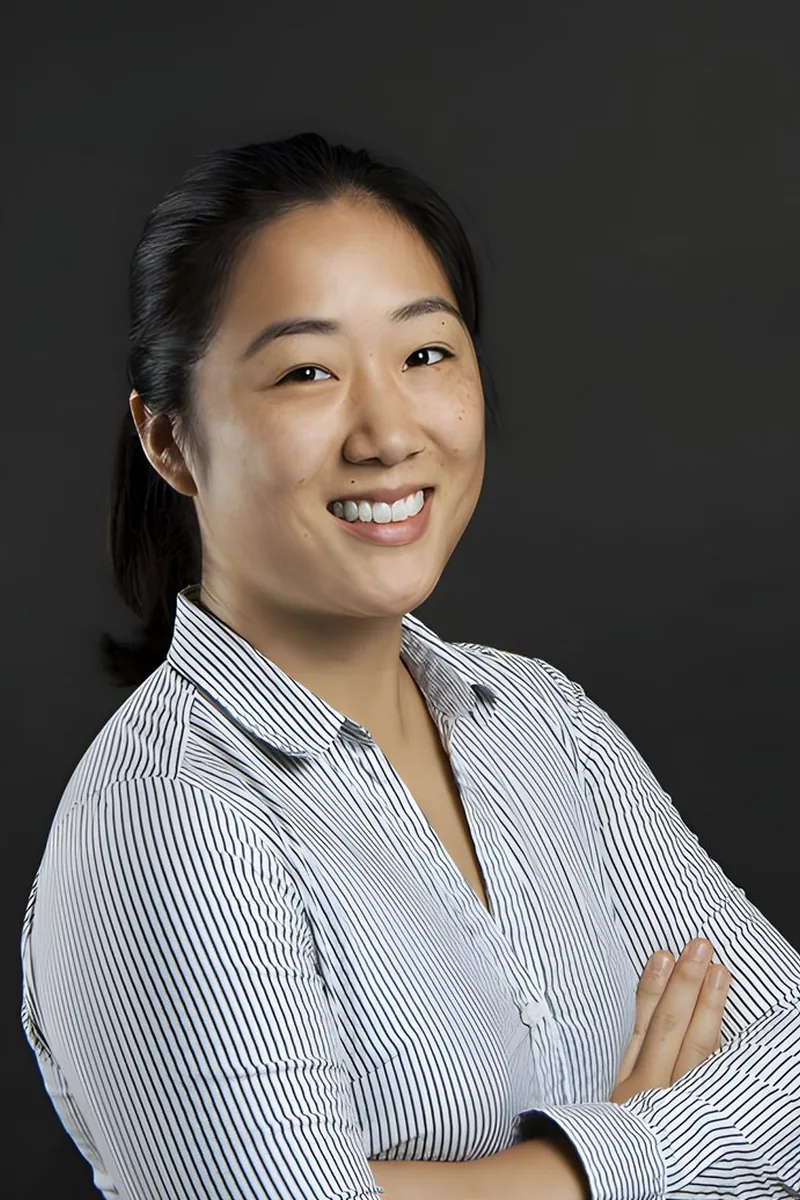
Living and working in Hong Kong gave Asta daily practice navigating Mandarin in professional and social settings, from casual small talk to more formal exchanges. She structures conversational sessions around real scenarios — negotiating at a market, discussing news, or making travel plans — so students build fluency they can actually use outside a classroom.
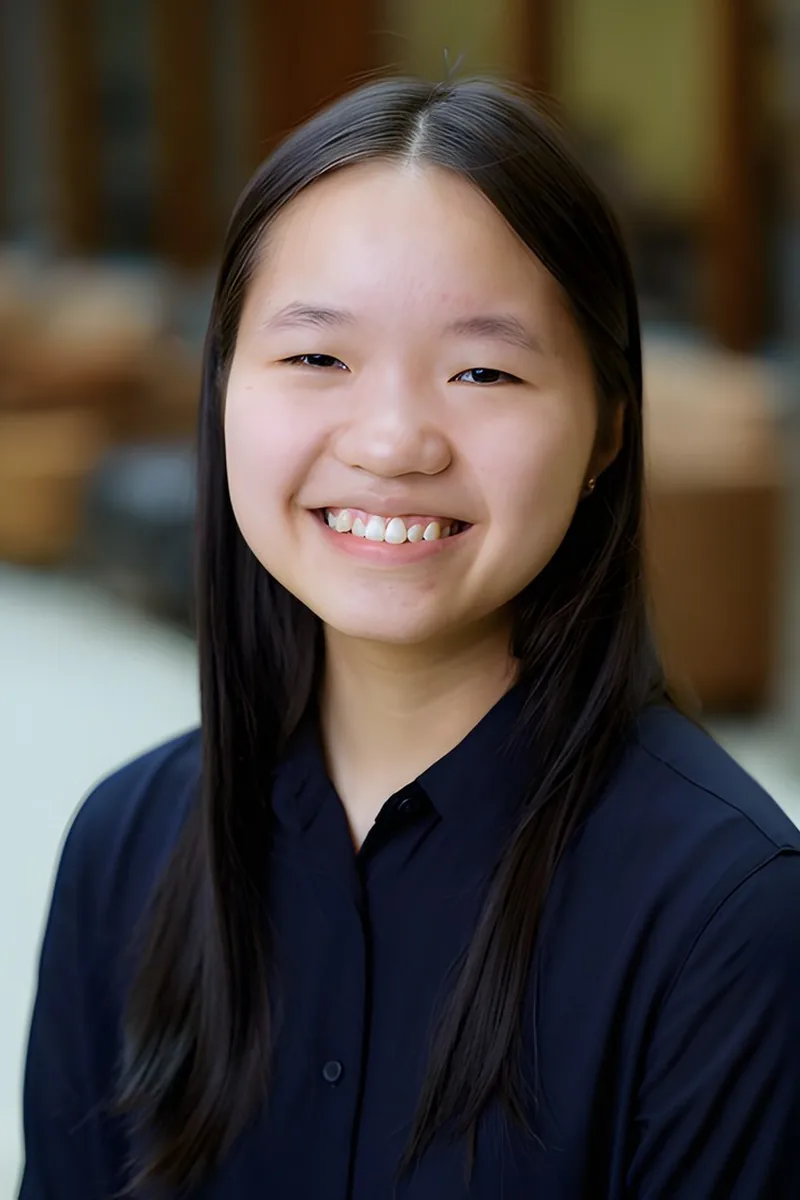
Studying abroad in South Korea as a Gilman Scholar and pursuing an Asian Languages and Cultures major gave Ingrid real immersion in East Asian language environments. She tackles conversational Mandarin by building everyday vocabulary and drilling tonal accuracy in context, so students gain confidence speaking in practical situations like ordering food, giving directions, or making small talk.
Studying linguistics at the University of Chicago taught Sherry how languages work at a structural level — how Mandarin's tonal system, topic-comment sentence order, and lack of conjugation create a completely different conversational logic than English. She uses that analytical lens to help learners internalize patterns rather than just memorize phrases, building spoken fluency through dialogue practice that emphasizes natural rhythm and context-appropriate register. Her 1600 SAT and 5.0 tutoring rating speak to the precision she brings across every subject she teaches.
There's nothing in Julie's philosophy studies at Princeton or her statistics certificate that directly ties to Mandarin, and she'd be the first to say this isn't her core area. That said, her philosophy training — breaking down arguments, isolating logical structure, spotting ambiguity — translates surprisingly well to parsing Mandarin grammar and sentence patterns, where word order and context carry meaning that English handles with inflection.
Speaking Mandarin in real conversation is a different skill from acing a vocabulary quiz — it demands quick recall, natural sentence patterns, and comfort with imperfect understanding. Kathy builds conversational sessions around practical scenarios and graduated complexity, so students move from rehearsed phrases to genuine, spontaneous dialogue.
Picking up conversational Mandarin is less about memorizing vocabulary lists and more about learning to think in the language — responding naturally, using measure words correctly, and hearing tonal differences in real-time speech. Tracy is a native speaker who adjusts her pace and complexity to match each student's comfort level, building practical fluency through dialogue-based practice.
Conversation in Mandarin stalls when students translate from English in their heads instead of thinking in Chinese. JF pushes past that bottleneck by drilling high-frequency sentence patterns and tonal pairs until responses feel automatic, then layering in colloquial expressions that make speech sound natural.
Helen grew up speaking Mandarin at home and is currently studying at Stanford, where she switches between English and Chinese daily. She brings that bilingual instinct to conversational practice, coaching students on tonal precision and natural phrasing so responses come out fluid rather than translated word-by-word from English.
Eric teaches AP Chinese Language and Culture alongside multiple levels of Mandarin coursework, so his conversational sessions draw on a structured understanding of how the language builds from pinyin basics to fluid, multi-clause responses. His biomedical engineering background at Duke also means he's comfortable introducing technical and academic vocabulary into conversation practice — useful for students who need Mandarin beyond tourist phrases. Rated 5.0 by students.
Getting past textbook Mandarin into actual conversation means drilling tones in context, building fluid measure-word usage, and learning to think in Chinese sentence order rather than translating from English. Tony spent time tutoring Mandarin in the DC area and brings a structured yet conversational approach to speaking practice that builds real confidence.
Annie grew up speaking Mandarin at home alongside English, and her medical school training has kept her sharp at switching between languages under pressure — explaining concepts clearly, listening carefully, and adapting on the fly. She channels that bilingual agility into conversational sessions built around expressing opinions, telling stories, and handling the kind of unscripted back-and-forth that builds real spoken confidence.
Li's medical doctoral training required mastering dense technical vocabulary across languages, and as a native Mandarin speaker, she brings that precision to conversational practice — especially around tonal clarity and the subtle grammar shifts that trip up English speakers mid-sentence. She builds spoken fluency through rapid-fire question-and-answer drills that force students to think in Mandarin rather than mentally translate from English.
Studying sociology and anthropology means Lisa spends a lot of time thinking about how culture shapes communication — a lens that carries directly into Mandarin conversation, where politeness levels, address terms, and context shift how you say even simple things. She pairs that cultural awareness with structured speaking practice, working through everyday exchanges and building the habit of responding naturally instead of mentally assembling translations.
Getting comfortable speaking Mandarin requires more than textbook dialogues — it means learning to navigate tonal shifts in real-time conversation without freezing up. June structures sessions around practical scenarios like ordering food, giving directions, and small talk, building the confidence to keep a conversation moving even when the perfect word doesn't come immediately.
Teaching at a Mandarin School gave Nova hands-on experience breaking down tonal pronunciation and sentence structure for learners at different levels — skills she now applies to conversational practice centered on expressing ideas fluidly rather than assembling translations word by word. Her biology studies at Brown keep her switching between technical English and Chinese regularly, which sharpens the kind of code-switching instinct that makes real-time conversation feel natural. Rated 5.0 by students.
Getting comfortable speaking Mandarin means moving past the fear of mispronouncing tones or blanking on vocabulary mid-sentence. Allison builds conversational confidence by running through practical scenarios — introductions, travel situations, everyday small talk — and correcting pronunciation in real time so students internalize the rhythm of natural speech.
Conversation is where Mandarin clicks — or where it stalls out because a student has memorized vocabulary lists but never practiced stringing sentences together in real time. Patricia structures speaking practice around everyday scenarios like ordering food, asking directions, and describing routines, gradually layering in more complex grammar and idiomatic expressions. She's patient with pronunciation and tonal accuracy, correcting in ways that build confidence rather than shut it down.
Four semesters of university-level Mandarin Chinese at Cornell gave Andrew a learner's perspective that native speakers sometimes lack — he knows firsthand which tonal patterns and grammar structures trip up English speakers because he wrestled with them himself. He channels that experience into conversational practice built around spontaneous responses and real-time self-correction, pushing students to stop rehearsing sentences in their heads before speaking.
Picking up conversational Mandarin means training your ear for four tones, building sentence patterns that feel natural, and learning the cultural context behind common expressions — like why "你吃了吗" is a greeting, not a dinner invitation. Christine is a native speaker from Shanghai who has lived and studied in both China and the U.S., so she can explain the cultural logic behind everyday phrases in a way that makes them stick.
Learning Mandarin conversation means training your ear for tonal distinctions that don't exist in English — a challenge Nathan tackles by building pronunciation drills into every session alongside practical dialogue. He emphasizes real-world phrases and sentence patterns so students can hold actual conversations rather than just recite vocabulary lists.
Fluent in both Pinyin and Mandarin Phonetic Symbols (Zhuyin), Yi teaches conversational Mandarin by connecting tonal pronunciation to real dialogue — ordering food, navigating directions, or discussing daily routines. Her linguistics and phonology background means she can pinpoint exactly why a student's third tone sounds off and fix it in minutes, rather than just repeating the word louder.
Speaking Mandarin comfortably requires more than vocabulary — tones, measure words, and sentence-final particles all shape whether you actually sound natural. Cindy grew up with the language and scored well on the SAT Chinese with Listening exam, so she can pinpoint the specific pronunciation and phrasing habits that hold conversational learners back.
Most conversational Mandarin practice stalls at rehearsed phrases. Tina's TESOL background means she designs real communicative tasks — ordering food, negotiating plans, telling stories — that push students to produce spontaneous speech and self-correct in the moment. She's rated 5.0 across her students.
Getting comfortable speaking Mandarin means moving past the fear of tonal mistakes and into real dialogue — ordering food, navigating directions, expressing opinions. Brittaney structures conversational sessions around practical scenarios and gradually increases complexity, so students build fluency they can actually use outside of a textbook exercise.
Textbook Mandarin and the Mandarin people actually speak in daily life are two different things. Hannah's graduate-level immersion in Chinese culture means she teaches conversational patterns, slang, and social cues that reflect how native speakers communicate today — from ordering at a restaurant to navigating a business introduction with appropriate formality.
Conversational fluency requires more than vocabulary lists — it means responding naturally when someone switches topics, uses slang, or speaks faster than a textbook recording. Angela, a native Mandarin speaker from Shanghai, builds real dialogue skills by immersing students in everyday scenarios like ordering food, negotiating prices, and navigating social pleasantries that textbooks rarely cover well.
As a native Mandarin speaker and PhD student in linguistics at the University of Georgia, Wei treats conversational practice as more than vocabulary drills — she builds lessons around real scenarios like ordering food, navigating directions, and handling social pleasantries so students internalize natural phrasing and tonal accuracy. Her research in language acquisition means she understands exactly why certain sounds and sentence patterns trip up English speakers, and she addresses those friction points directly. Rated 5.0 by students.
With dual degrees in Chinese Studies and years spent deep in Mandarin-language academic texts, Ting brings a native-level command of register and idiom that shapes how she runs conversational sessions — she knows which colloquial shortcuts, filler words, and sentence-ending particles make the difference between sounding like a textbook and sounding like a person. Her 5.0 rating speaks to an approach that treats conversation as a skill built through constant, low-stakes repetition rather than grammar lectures.
Pentagon employees, State Department staff, and university professors have all sat across from Chang to sharpen their spoken Mandarin — so whether a student needs to nail tonal shifts in casual small talk or handle formal registers in professional settings, he's run that drill before. His PhD work in religion and philosophy was conducted partly through Mandarin-language primary sources, giving him a command of the language that stretches well beyond phrasebook fluency into nuanced, context-sensitive conversation.
Getting comfortable speaking Mandarin means moving past the fear of tonal mistakes and into actual conversation. Kelly structures sessions around real-world scenarios — haggling at a market, catching up with a friend, debating a topic — and corrects pronunciation and grammar in the flow of dialogue so students build confidence and accuracy at the same time.
Spending years immersed in Mandarin at Notre Dame — and continuing to use it — means Caroline can move well beyond scripted dialogues. She builds conversational sessions around real scenarios like ordering food, navigating directions, or discussing daily routines, correcting tonal mistakes and word choice in real time so students gain confidence speaking naturally.
After spending a semester abroad in Shanghai, Joshua developed conversational Mandarin through daily immersion — haggling at markets, navigating transit, and debating with classmates in Chinese. He brings that real-world fluency to sessions, emphasizing natural sentence patterns, tonal accuracy, and the colloquial expressions that textbooks tend to skip.
Someone who already navigates three languages daily — English, Portuguese, and Spanish — knows what it takes to actually think in a new language instead of translating in your head. Zora brings that multilingual instinct to conversational Mandarin sessions, drilling tones, measure words, and everyday dialogue patterns until responses feel automatic.
Getting comfortable speaking Mandarin means moving past the fear of mispronouncing tones or blanking on vocabulary mid-sentence. Mia builds conversational confidence by running through real scenarios — ordering food, asking directions, describing daily routines — so students develop the reflexes to respond naturally rather than translating word by word in their heads.
Earning a degree in East Asian Languages and Civilizations from the University of Chicago meant Jacob spent years building spoken Mandarin fluency — navigating tones, measure words, and the kind of colloquial phrasing that textbooks skip. His conversational sessions emphasize practical dialogue: ordering food, debating opinions, telling stories, and recovering gracefully when a sentence falls apart mid-thought.
Getting comfortable speaking Mandarin requires more than vocabulary drills — it means internalizing tonal shifts, learning to navigate filler phrases, and building the confidence to respond in real time. Tammy structures conversational practice around everyday scenarios like ordering food, asking directions, and discussing interests so that grammar points stick through actual use rather than isolated exercises.
Conversation is where Mandarin gets real — tones that looked fine on a worksheet suddenly collapse when you're forming sentences on the fly. Cynthia structures speaking practice around everyday scenarios like ordering food, giving directions, and describing routines, gradually layering in more complex grammar so fluency develops naturally.
Growing up speaking both Cantonese and Mandarin natively — and studying sociology, which is all about how people communicate across cultural lines — KC brings an intuitive sense for the unspoken rules of Chinese conversation: when to use 您 versus 你, how tone of voice shifts meaning beyond the four tones, and why directness lands differently in Mandarin than in English. Her sessions lean into culturally grounded exchanges rather than scripted dialogues, building the kind of fluency where students respond instead of translate. Rated 4.9 by students.
Learning English from scratch before eventually entering a six-year BA/MD program gave Evelyn a deeply personal understanding of what it takes to rewire your brain for a new language — and she applies that same process in reverse when teaching Mandarin conversation. She zeros in on tonal muscle memory and sentence-level thinking, training students to produce natural responses without mentally assembling English translations first.
An anthropology PhD who also teaches Mandarin Chinese across multiple levels, Martin brings a rare combination — deep cross-cultural training and actual language instruction experience — to conversational practice. He leans into the cultural logic behind Mandarin speech patterns, unpacking why directness, politeness markers, and topic-comment structure work so differently from English and drilling those differences through live dialogue rather than rote phrase lists.
Testimonials
Because the right Conversational Mandarin tutor makes all the difference.
Average Session Rating – Based on 3.4M Learner Ratings
Top 20 Languages Subjects


Top 20 Subjects
Frequently Asked Questions
Mandarin's four tones (plus neutral tone) are notoriously difficult for English speakers because English relies on intonation for emotion, not meaning. A tutor provides real-time feedback on your tone production, corrects subtle pitch errors that classroom settings often miss, and uses targeted drills to build muscle memory. Through repeated conversation practice with immediate correction, you develop the auditory discrimination and vocal control needed to distinguish between words like "mā" (mother), "má" (hemp), "mǎ" (horse), and "mà" (scold)—mistakes that completely change meaning.
In a typical classroom, you might get 2-3 minutes of actual speaking time per class period. With personalized tutoring, 100% of your session is dedicated to speaking and listening practice—you're constantly engaging in real dialogue rather than watching others practice. Tutors adapt conversations to your proficiency level, gently correct errors in context, and create safe space to experiment with natural speech patterns, colloquialisms, and authentic responses that textbooks don't teach. This intensive speaking exposure is what accelerates conversational confidence and fluency.
Native Mandarin speakers often use grammar patterns intuitively that don't match textbook rules—for example, the placement of measure words or particle usage varies by region and context. A skilled tutor teaches you the "why" behind grammar structures while anchoring everything in real conversation, so you learn both correct form and how native speakers actually use the language. Rather than drilling grammar in isolation, tutors weave explanations into natural dialogue, helping you understand when to apply formal structures versus casual speech patterns.
Passive vocabulary recognition (reading/listening) is very different from active production (speaking/writing), and many students memorize words but freeze during conversation. Tutors use spaced repetition and retrieval practice—introducing new words, then deliberately circling back to them in varied conversational contexts over multiple sessions. They also teach you character patterns and radicals so you understand word structure rather than memorizing isolated terms, and they focus on high-frequency conversational vocabulary first (survival phrases, common verbs, everyday topics) rather than overwhelming you with lists.
Listening to native-speed Mandarin is overwhelming because tones, connected speech, and unfamiliar vocabulary blur together. Tutors start at your level—speaking clearly with appropriate pacing—then gradually increase speed and complexity as your ear develops. They also teach you listening strategies like identifying key words, understanding sentence structure to predict meaning, and recognizing common discourse patterns. Exposure to your tutor's voice across multiple sessions trains your ear to recognize their speech patterns, accent, and natural rhythm, building the auditory foundation you need to understand other speakers.
Conversational fluency isn't just vocabulary and grammar—it's understanding when and how to say things appropriately. Mandarin speakers navigate different registers (formal vs. casual), use specific phrases for politeness, and reference cultural concepts that don't translate directly. A tutor who understands Chinese culture helps you learn not just what to say, but how to express respect, build rapport, and avoid unintended offense. This includes understanding regional differences, generational speech patterns, and the role of context in meaning—all crucial for natural, confident conversation.
The U.S. Foreign Service Institute estimates approximately 2,200 hours of study to reach professional working proficiency in Mandarin—but conversational basics come much faster. With consistent 1-on-1 tutoring (2-3 sessions weekly), most students can handle basic survival conversations within 3-6 months and participate in everyday discussions within 6-12 months. Your timeline depends on starting level, frequency of practice, and how much you engage outside tutoring sessions. Regular tutoring accelerates progress because you're getting personalized feedback and targeted practice rather than self-studying, but consistency matters—sporadic sessions slow momentum significantly.
Beyond native or near-native fluency, look for tutors with teaching experience who understand English speaker challenges (not all native speakers are good teachers). Ideal qualifications include experience teaching conversational Mandarin specifically, understanding of phonetics and tone production, and familiarity with different proficiency levels and learning paces. Tutors should be able to explain grammar and pronunciation in English, adapt materials to your goals, and create a comfortable environment for speaking practice. Varsity Tutors connects you with vetted tutors who meet these standards, so you're getting qualified instruction rather than relying on chance.
Let’s find your perfect tutor
Answer a few quick questions. We’ll recommend the right plan and match you with a top 5% tutor.