Award-Winning AP German Language and Culture
Tutors
AP German Language and Culture
Tutors
Private 1-on-1 tutoring, weekly live classes for academic support, test prep & enrichment, practice tests and diagnostics, and more to elevate grades and test scores.
Based on 3.4M Learner Ratings
UniversitiesSchools & Universities
DeliveredHours Delivered
ProficiencyGrowth in Proficiency
Who needs tutoring?
No obligation. Takes ~1 minute.
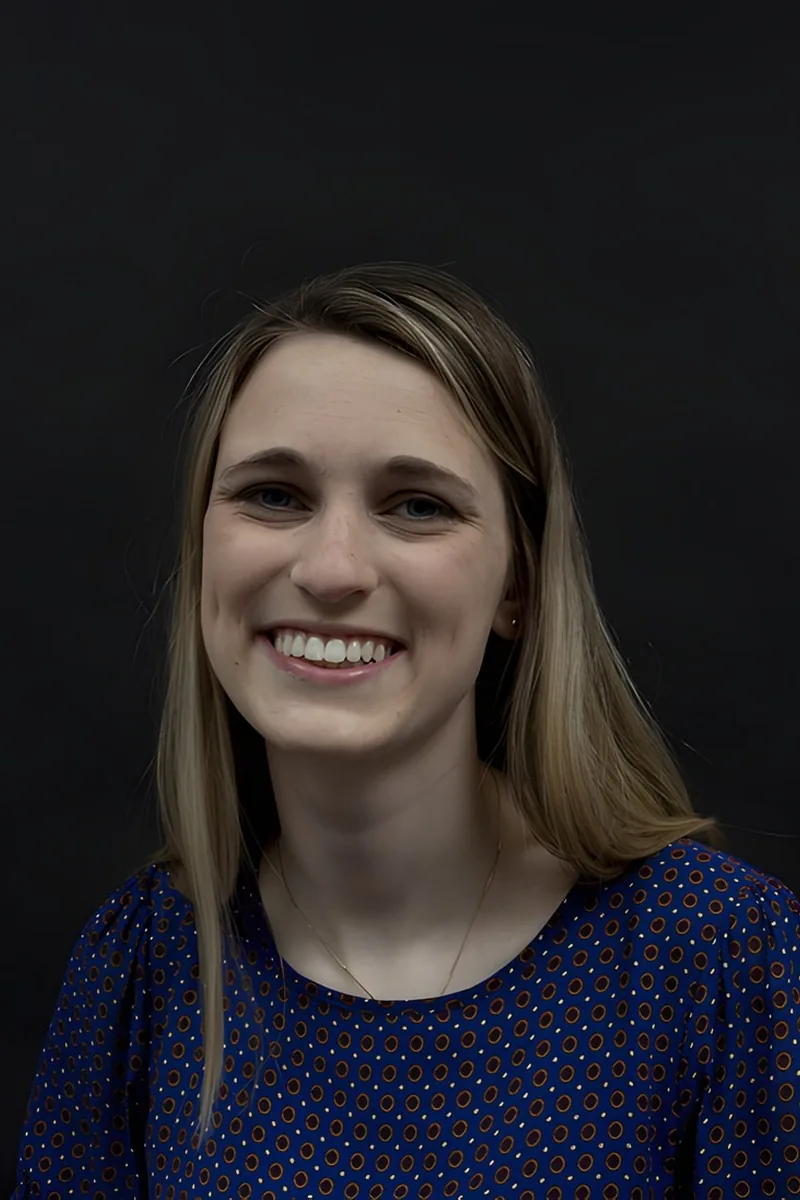
Earning a full undergraduate degree in German at Northwestern — including advanced coursework in literature, culture, and linguistics — gives Amber the depth this exam demands. She tackles the AP German exam's presentational speaking and writing tasks by drilling students on formal register, idiomatic expressions, and the cultural knowledge threads that score well on the free-response sections. Her concentration also means she can coach students through the interpretive listening passages that often trip up otherwise strong speakers.

The AP German exam tests far more than vocabulary — students need to interpret audio sources, craft persuasive essays in German, and navigate cultural comparisons with nuance. Colin brings real fluency to these tasks, coaching students through the presentational writing and interpersonal speaking components that tend to be the biggest score differentiators.
As a German minor actively involved in a German-language social program at UGA, Hailey uses the language in academic and conversational settings daily. For the AP exam specifically, she digs into the presentational writing and speaking tasks that trip students up, breaking down how to structure an argumentative essay in German and respond to audio sources under time pressure.
Earning a degree in German Studies means Jhanelle has lived inside this language at the highest academic level — reading literature, writing analytical essays, and engaging with complex cultural texts entirely in German. For AP German Language and Culture, she zeroes in on the presentational and interpersonal communication tasks that determine exam scores, including the notoriously tricky persuasive essay and cultural comparison. Rated 5.0 by students.
Law school sharpens one skill that translates directly to AP German's cultural comparison essay: building a structured argument under pressure. John teaches German through all four levels and applies that analytical rigor to the presentational writing and speaking tasks, where clear thesis development in German separates 4s and 5s from lower scores. His international economics background also gives him natural fluency with the global challenges theme that recurs across the exam.
Immersion in "comprehensible input" — stories, podcasts, cultural material loaded with context — is how Jamie builds the interpretive listening and reading skills that carry the AP German exam. With degrees spanning mathematics, languages, and special education, he adapts his approach to each student's level, whether the sticking point is Konjunktiv II forms or structuring a cultural comparison essay under timed conditions. Rated 4.6 by students.
Studying German through the advanced level while majoring in Computer Science at Duke gives Susie an unusual combination — she thinks about language with the same structural precision she applies to code, which pays off when dissecting German grammar patterns like case systems and word order in subordinate clauses. She tutors across all four levels of German and brings that full-sequence perspective to the AP exam's presentational and interpersonal tasks, where students need to produce accurate, register-appropriate German on the spot.
Anuj's CLEP German preparation gives him a structured grasp of German grammar and reading comprehension, though AP German Language and Culture goes well beyond what that exam covers. He approaches the cultural comparison essay and interpretive reading tasks analytically — his psychology training makes him sharp at breaking down how arguments are constructed across languages. Rated 4.8 by students.
Corinna's German coursework through the advanced level pairs with a Written Arts degree that sharpens exactly the skill AP German's presentational writing task rewards: crafting a clear, well-structured argument in a second language under time pressure. Her high school teaching background in NYC means she knows how to diagnose where students freeze up — whether it's hearing comprehension on the interpretive listening passages or switching into formal register for the persuasive essay.
Before earning his English degree, Kollin volunteered to teach German to elementary schoolers — designing his own lesson plans and materials from scratch. That early immersion in German pedagogy, combined with his study through German 4, means he understands both the language's grammatical architecture and how to explain tricky concepts like subjunctive mood and adjective endings in ways that actually stick for AP-level learners.
Having studied applied physics in German-speaking academic contexts and teaching German at every level from beginner through AP, Juliane bridges the gap between classroom German and the real-world fluency the exam rewards. She's particularly sharp on the interpretive listening and reading tasks — parsing authentic sources quickly and accurately — drawing on the same analytical precision her physics background demands. Rated 4.9 by students.
Earning a bachelor's degree in German Studies gave Scott the linguistic and cultural fluency that AP German Language and Culture demands — not just grammar accuracy, but the ability to navigate authentic texts, regional idioms, and formal vs. informal registers. He tackles the interpersonal and presentational speaking tasks by building students' confidence with real conversational patterns rather than scripted dialogues.
Jamie teaches German at every level from beginner through AP and draws on a dramatic writing background that sharpens one underappreciated AP skill: constructing a compelling narrative or argument in a second language under time pressure. The presentational writing and speaking tasks reward students who can organize ideas clearly and use authentic register — skills that come naturally to someone trained in structuring dialogue and voice across contexts.
I am dedicated, passionate, patient, and enthusiastic. I am also empathetic, and above all, I love teaching..Helping students is fulfilling because it allows educators to inspire and empower young people to reach their full potential.Believing in the student's potential to develop into extraordinary young learners.I'm passionate about education,and I'm actively engaged in various activities that promote learning and knowledge sharing.I volunteer at local schools,helping students with their studies and providing mentorship.I do believe that passion in education acts as a guiding light that motivates students to excel in their academic endeavors.It fuels one's determination,resilience,and performance leading to holistic growth and success.And ignites a fire within students,pushing them to go the extra mile in pursuit of their goals.Increased resilience when faced with setbacks,drives the student to bounce back stronger,learning valuable lessons along the way.Passion in education,lead the students to strive for excellence,resulting in a higher level of achievement in their academic pursuits.
Testimonials
Because the right AP German Language and Culture tutor makes all the difference.
Average Session Rating – Based on 3.4M Learner Ratings
Top 20 Languages Subjects


Top 20 Subjects
Frequently Asked Questions
The Speaking section (Interpersonal and Presentational) typically poses the biggest challenge for students, as it requires real-time language production under pressure without the ability to edit or revise. Many students also struggle with the Interpretive Reading section, which features dense authentic texts on unfamiliar cultural topics—requiring both strong vocabulary and the ability to infer meaning from context. The Presentational Writing task is another common pain point, as students must synthesize information from multiple sources in German while maintaining grammatical accuracy and cultural awareness, all within strict time limits.
Cultural knowledge is deeply integrated throughout all sections of the exam—it's not just a separate component. The Interpretive Reading and Listening sections feature authentic texts and audio about German-speaking cultures, and students who lack cultural context often misunderstand nuances or miss key details. The Presentational Writing and Speaking tasks explicitly require students to reference cultural products, practices, and perspectives from German-speaking communities. A strong tutor helps students build familiarity with contemporary German culture, historical context, and regional differences, which directly impacts comprehension and the ability to respond authentically to prompts.
Speaking anxiety often stems from fear of making mistakes or not having enough vocabulary in the moment. A tutor creates a low-pressure environment where students can practice speaking repeatedly, build confidence through positive feedback, and develop strategies like pausing to think, using filler words in German (like "Nun..."), and pivoting to vocabulary they know when stuck. Regular practice with timed speaking tasks—mirroring the actual exam format—helps students become comfortable with the pacing and reduces anxiety by making the experience familiar. Tutors also teach students to focus on communication and comprehension rather than perfection, which is how the AP exam actually scores responses.
Many students struggle to read authentic German texts quickly enough to complete the interpretive reading section within the time limit. Effective strategies include learning to identify key vocabulary and main ideas without translating every word, recognizing cognates and word families to expand apparent vocabulary, and practicing active skimming techniques specific to different text types (articles, emails, advertisements). A tutor helps students develop these skills through repeated exposure to authentic materials at increasing difficulty levels, teaches them to predict content based on titles and opening sentences, and builds automaticity so comprehension becomes faster and more intuitive. Timed practice tests are essential for calibrating reading pace to the actual exam.
The Presentational Writing task requires students to read a text, listen to an audio clip, and then write a cohesive essay in German that synthesizes information from both sources while maintaining proper grammar and structure—all within 40 minutes. The biggest challenge is managing time effectively while organizing thoughts in German rather than English. A tutor teaches students to create quick outlines in German, identify the main arguments from each source, and use transition phrases and connecting structures to weave sources together naturally. Practice with actual AP prompts helps students internalize the format, develop templates for common essay structures, and build speed so they have time to proofread and refine their German language use.
Listening comprehension is challenging because students hear authentic German at natural speed with regional accents, background noise, and colloquial language—very different from classroom listening exercises. Students often panic when they don't understand every word and lose focus on the overall message. A tutor helps by training students to listen for key information rather than word-for-word understanding, familiarizing them with different German accents and speaking styles through authentic media, and teaching them to use context clues and prior knowledge to fill gaps. Regular exposure to diverse audio sources—podcasts, news clips, interviews, conversations—builds listening stamina and trains the ear to process German more automatically, which is essential for both the Interpretive Listening section and the Interpersonal Speaking task.
The subjunctive mood (Konjunktiv I and II) is notoriously difficult because it requires understanding both the grammatical forms and when to use them appropriately—particularly in reported speech and conditional scenarios that appear frequently on the exam. The passive voice, complex sentence structures with multiple clauses, and the distinction between similar verbs (like "wissen" vs. "kennen") also trip up students. A tutor helps by teaching these structures in context rather than in isolation, using authentic German examples from news articles and essays students will encounter on the exam, and providing targeted practice that builds automaticity so students can recognize and produce these forms under time pressure without conscious thought.
Students typically benefit most from starting tutoring 3-4 months before the exam, meeting 1-2 times per week for focused skill-building and practice. However, the ideal timeline depends on the student's current proficiency level and score goals. A student aiming to improve from a 3 to a 4 or 5 may need more intensive preparation than someone already scoring at a 4. A tutor helps create a customized study plan that targets specific weak areas—whether that's speaking fluency, reading speed, or grammar accuracy—and incorporates regular practice tests to track progress and adjust focus as needed. Consistency matters more than cramming; steady practice over months builds the automaticity and cultural familiarity necessary for success.
Let’s find your perfect tutor
Answer a few quick questions. We’ll recommend the right plan and match you with a top 5% tutor.