Award-Winning Conversational Italian
Tutors
Conversational Italian
Tutors
Private 1-on-1 tutoring, weekly live classes for academic support, test prep & enrichment, practice tests and diagnostics, and more to elevate grades and test scores.
Based on 3.4M Learner Ratings
UniversitiesSchools & Universities
DeliveredHours Delivered
ProficiencyGrowth in Proficiency
Who needs tutoring?
No obligation. Takes ~1 minute.
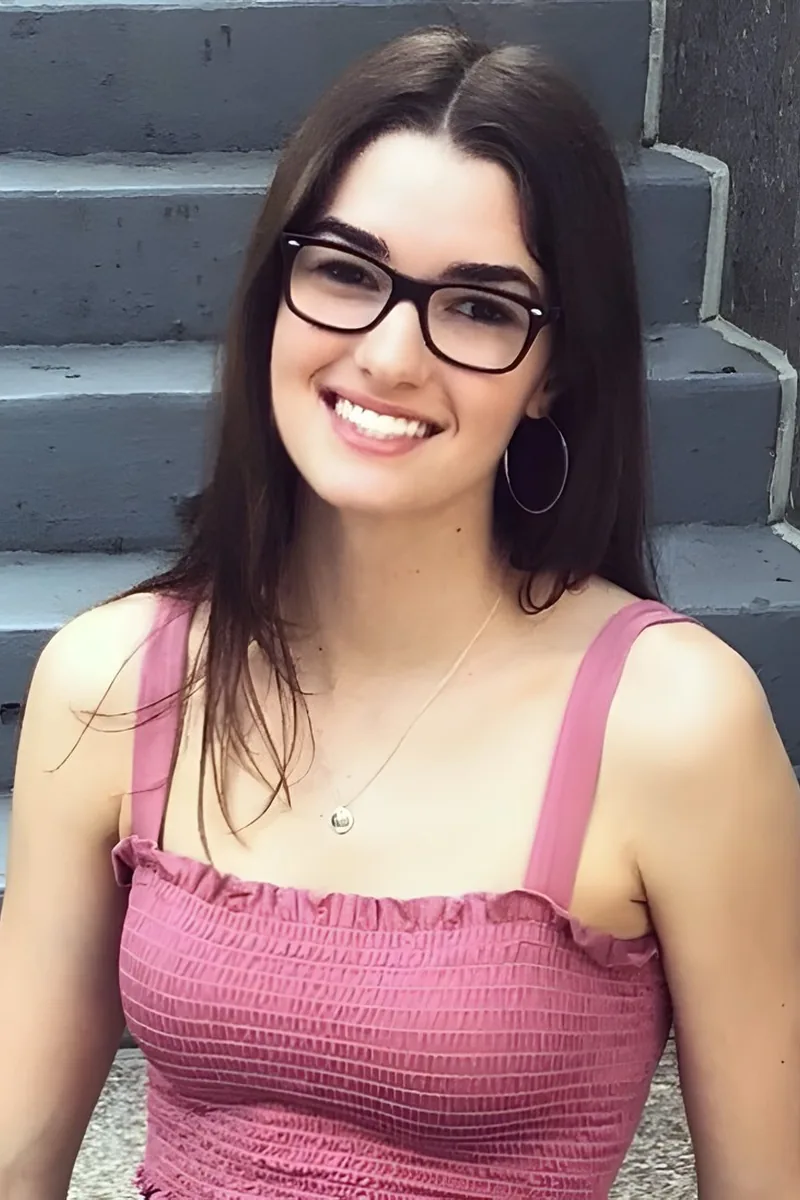
Alessia speaks four languages — Italian, French, Spanish, and Latin — and that multilingual ear means she picks up on the specific spots where English-speaking students freeze mid-sentence or default to awkward literal translations. Her approach to conversational Italian leans on building comfort with informal registers and rapid responses, so students learn to think in Italian rather than assembling phrases from a mental phrasebook. Rated 5.0 by students.
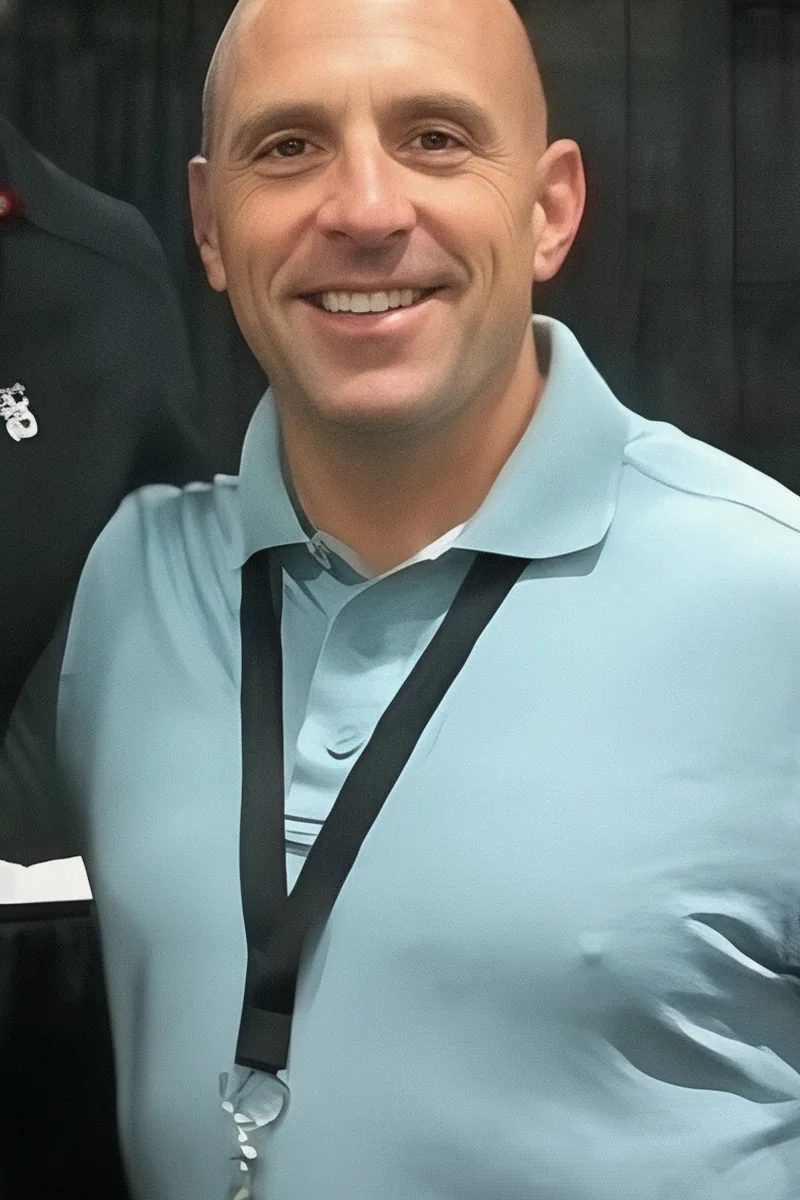
Learning to speak Italian means getting comfortable with the messy, spontaneous parts — ordering at a trattoria, navigating a train delay, jumping into a conversation about calcio. Tony picked up Italian through travel and immersion alongside his formal language training in Spanish and Portuguese, so he teaches conversational flow and natural pronunciation rather than textbook dialogues. Rated 5.0 by students.
Sophia doesn't just teach Italian vocabulary lists — she builds conversations around everyday scenarios like ordering at a trattoria or navigating a train station, then layers in the grammar as it comes up naturally. Her Italian minor at Vanderbilt gave her strong formal foundations, but her real love is helping people actually speak and think in the language.
Rithi's training is rooted in science — neuroscience and biotechnology, specifically — so she approaches language learning the way she'd approach a new protocol: systematically breaking down patterns until they become automatic. For conversational Italian, that means drilling high-frequency verb forms and response structures until students can produce them without mentally translating from English first.
Getting comfortable speaking Italian requires more than memorizing phrases — it means internalizing the rhythm of the language and knowing which register fits which situation. Craig approaches conversation practice through cultural context, drawing on his deep knowledge of Italian literature and history to give students something genuinely interesting to talk about. Rated 5.0 by students.
Daniel's multilingual range — he tutors French, Spanish, and Italian alongside AP-level coursework in each — means he can quickly identify where a student's existing Romance language knowledge accelerates Italian conversation and where it creates false-friend traps. He structures spoken practice around building fluid responses rather than mentally assembling translations, layering in idiomatic phrasing and informal registers as students gain confidence. Rated 5.0 by students.
Getting comfortable speaking Italian out loud is a different challenge than acing a grammar quiz — it's about thinking in the language instead of translating in your head. Christopher majors in Italian and uses the language across his coursework, so he can hold real conversations at varying speeds and complexity levels. He nudges learners toward natural phrasing and idiomatic expressions that make their Italian sound lived-in rather than textbook-perfect.
Someone who speaks French, Spanish, and Italian can spot the moments when a student's Romance language instincts are an asset and when they're quietly sabotaging pronunciation or word choice — Jorge navigates all three and uses that cross-linguistic awareness in conversation practice. His anthropology training at Harvard also means he treats language as culture, building Italian dialogue around customs, social norms, and the unspoken rules that shape how Italians actually talk to each other.
Katherine's English and literature background means she approaches Italian conversation through storytelling — building vocabulary around narratives, descriptions, and opinions rather than transactional phrasebook exchanges. She also reads and speaks multiple Romance languages, which lets her quickly pinpoint where an English speaker's instincts will help versus trip them up in Italian sentence flow. Rated 5.0 by students.
Getting comfortable speaking Italian requires more than knowing the grammar rules — it means reacting in real time, improvising when vocabulary fails, and picking up on conversational cues. Allison designs sessions around practical dialogue scenarios like ordering at a restaurant, asking for directions, or debating a topic, so students build the confidence to actually use Italian outside of a textbook exercise.
There's a gap between textbook Italian and the way Italians actually talk — idiomatic expressions, regional inflections, the rhythm of everyday speech. Martina grew up speaking the language and tailors conversational sessions around her students' goals, whether that's preparing for travel, connecting with family, or building confidence for professional settings.
Speaking five languages fluently — French, English, Spanish, Haitian Creole, and Italian — Muriel knows firsthand what it takes to crack open a new language and start thinking in it rather than translating from another. Her Italian and Spanish literature degree means she can unpack idiomatic expressions and colloquial phrasing with real cultural context, not just dictionary definitions. Sessions zero in on building the reflexes needed for spontaneous exchange: responding to unexpected questions, shifting registers, and recovering gracefully when a word slips away.
"As many languages you know, as many times you are a human being" — that Masaryk quote drives how Petra teaches conversational Italian, emphasizing real dialogue over textbook drills. Her years living in Italy and working as a professional Italian translator mean she corrects pronunciation, models natural phrasing, and introduces the cultural cues — hand gestures included — that make a conversation feel genuinely Italian rather than translated English.
Conversation is where Italian either clicks or stays trapped on a flashcard, and Elsia's approach leans heavily on getting students talking from minute one. She builds confidence by working through real scenarios — ordering at a trattoria, asking for directions, debating which gelato flavor wins — and layers in grammar corrections naturally so the session never feels like a lecture.
Getting comfortable speaking Italian requires hours of meaningful exposure, not just textbook dialogues about ordering at a restaurant. Jamie builds conversational sessions around cultural material — film clips, news stories, recipes, music — so students absorb natural phrasing and idiomatic expressions in context. This comprehensible-input method keeps the pressure low while steadily expanding what learners can say and understand.
Conversational fluency requires more than vocabulary drills; it demands comfort with the rhythm of real exchanges — when to use "Lei" versus "tu," how to navigate a Roman market, or how to tell a story using passato prossimo naturally. Gloria developed her Italian fluency through extensive time in Italy and uses that lived experience to build students' confidence in unscripted dialogue. Her 5.0 rating speaks to how quickly students start feeling at ease.
Speaking Italian fluently means moving past translating word-by-word in your head and starting to think in the language. Ron builds conversational confidence by practicing real scenarios — ordering at a restaurant, asking for directions, debating opinions — while weaving in the grammar corrections that actually matter for being understood. His natural enthusiasm for meeting new people makes conversation practice feel less like a drill and more like an actual exchange.
Having lived and studied in Bologna, David picked up the rhythms of everyday Italian — ordering at a bar, navigating train schedules, debating politics over dinner — alongside his academic training. He builds conversational confidence by pulling from real scenarios and culturally specific expressions rather than scripted dialogues. His 5.0 rating speaks to how comfortable students feel practicing with him.
Speaking Italian naturally requires more than conjugation drills; it takes comfort with idiomatic expressions, informal registers, and the rhythm of real dialogue. As a native Italian speaker from Rome, Cristiana builds conversational confidence by immersing students in practical scenarios — ordering at a restaurant, navigating a train station, debating a topic — while correcting pronunciation and grammar in real time.
Living in Catania for a year, acting in an Italian-language production of Shakespeare, and doing a weekly spot on a Sicilian radio station gave Emily the kind of conversational fluency that a classroom alone can't provide. She teaches students to navigate real Italian dialogue — idiomatic expressions, regional variations, and the rapid-fire back-and-forth that textbooks rarely prepare you for.
Because he learned Italian as an adult, Adel knows exactly which conversational patterns trip up new speakers — from navigating passato prossimo vs. imperfetto in storytelling to handling informal pronoun usage. His sessions emphasize real dialogue practice, building the kind of speaking confidence that textbook exercises alone rarely develop.
Italian conversation is best learned through low-pressure, natural exchanges — not rote phrase repetition. Emily brings her own experience as an Italian speaker to sessions built around everyday scenarios like ordering food, asking for directions, and navigating small talk, so students build real fluency they can use immediately.
Getting comfortable speaking a new language out loud requires the same skills Jennifer teaches in public speaking and communication: building confidence, thinking on your feet, and learning to self-correct in real time. She creates low-pressure conversational practice that treats mistakes as data points rather than failures.
Getting comfortable speaking Italian means moving past the fear of making mistakes in real time. Nick structures conversational sessions around practical scenarios — ordering at a trattoria, navigating directions, debating a film — and builds in the grammar corrections naturally so learners internalize verb forms and prepositions without feeling like they're back in a classroom.
Textbook Italian and spoken Italian are practically different languages — dropped subjects, regional expressions, rapid contractions that no grammar chart prepares you for. As a native Roman speaker living in New York since 2012, Fabrizio bridges that gap by building real dialogue skills around everyday situations like ordering at a trattoria, navigating directions, or debating politics over coffee.
Italian wasn't one of Magdi's first languages, which is actually an advantage — he learned it deliberately, working through verb conjugations, prepositions, and conversational flow the same way a student would. That process, combined with his native fluency in French, lets him draw on Romance language patterns to make Italian vocabulary and sentence structure click faster.
Getting comfortable speaking Italian requires more than memorizing phrases — it means internalizing when to use the formal "Lei" versus the informal "tu," navigating passato prossimo in real-time, and building the confidence to stumble through sentences without freezing. Robert's Romance Languages degree gives him the grammatical backbone, but his emphasis is on keeping conversations moving naturally so students actually retain what they practice.
Because Melissa studied Italian formally at the university level and has deep roots in its literary tradition, her conversational teaching stays grounded in real usage — idiomatic expressions, natural word order, the subjunctive forms that textbooks gloss over but native speakers actually use. She tailors sessions around practical scenarios like travel, dining, and everyday exchanges while still building grammatical accuracy.
Getting comfortable speaking Italian out loud is a different skill from acing a grammar quiz, and Elana treats it that way. She builds conversational sessions around everyday scenarios — ordering at a trattoria, navigating a museum, discussing weekend plans — so students develop the reflexes to respond naturally instead of mentally translating word by word.
Conversational fluency grows fastest when the topics are genuinely interesting, not scripted. Eitan draws on his deep knowledge of European history and culture to build Italian conversations around art, food, travel, and current events — giving students natural reasons to practice verb tenses and idiomatic expressions in context.
Italian conversation clicks when you stop translating in your head and start thinking in the language — and Daniel knows how to accelerate that shift. He builds sessions around everyday scenarios like ordering at a trattoria, navigating directions, or debating a film, layering in verb tenses and idiomatic expressions as they come up naturally. Rated 4.9 by students.
Learning to actually speak Italian requires more than memorizing phrases — it means internalizing sentence rhythm, informal registers, and when to use tu versus Lei. Adrianne's master's in bilingual education trained her specifically in how adults and teens acquire conversational fluency, and she designs practice around real dialogue scenarios like ordering food, telling stories, and navigating disagreements.
Conversational fluency in Italian means thinking in the language rather than mentally translating from English — and that shift requires practice with someone who actually speaks it natively. Claudia is a fluent Italian speaker who can adjust the conversation to any level, from ordering at a trattoria to debating current events. She builds vocabulary and listening skills through real dialogue, not rote phrase repetition.
Italian studies was Isabella's minor at UT Austin, so she's spent years not just studying grammar tables but actually building the conversational reflexes — ordering in a trattoria, navigating a disagreement, telling a story with the right verb tense. She structures sessions around real dialogue, drilling common idiomatic phrases and pronunciation patterns until they feel natural rather than rehearsed.
Three years of Italian tutoring taught Jessica that conversational fluency comes from practicing real exchanges — ordering at a restaurant, debating a topic, telling a story — not just repeating textbook dialogues. She builds sessions around spoken scenarios that push students to think in Italian, correcting pronunciation and sentence structure in real time so improvements stick.
Five months of daily life in Rome — ordering at trattorias, asking directions near the Forum, chatting with locals about Bernini and Michelangelo — gave Juan the kind of conversational Italian fluency that a textbook alone can't produce. He builds sessions around real-world scenarios, teaching students to navigate idiomatic expressions, informal registers, and the rapid-fire pace of actual Italian conversation. His Classical Languages training also means he can clarify tricky grammar points on the fly when they come up naturally.
Conversation is where Italian comes alive, but it's also where most learners freeze up. Michael uses his Cornell Italian minor as a springboard for natural dialogue practice — ordering at a trattoria, debating a film, describing daily routines — building the kind of spontaneous fluency that textbook drills alone can't produce.
Benedetto grew up speaking Italian at home and brings that native-speaker intuition to conversational sessions — the hand gestures, the rapid contractions, the way 'allora' can mean six different things depending on tone. His background in management and decision sciences might seem unrelated, but it gives him a structured way to break spoken Italian into decision points: which register fits this situation, which filler phrase sounds natural, which conjugation you can safely approximate without losing meaning.
Getting comfortable speaking Italian out loud is a different challenge than passing a grammar quiz. Kylianne structures conversational practice around everyday scenarios — ordering food, asking for directions, describing your day — so students build the confidence to respond naturally instead of mentally translating word by word.
Actually speaking Italian requires getting comfortable with imperfection — jumping into a sentence before you've mentally conjugated every verb. Anna eases students past that hesitation by building conversations around everyday scenarios like ordering at a trattoria or asking for directions, layering in idiomatic expressions and natural phrasing that textbooks tend to skip.
Testimonials
Because the right Conversational Italian tutor makes all the difference.
Average Session Rating – Based on 3.4M Learner Ratings
Top 20 Languages Subjects


Top 20 Subjects
Frequently Asked Questions
Verb conjugation is one of the biggest hurdles in Conversational Italian because you need to conjugate correctly in the moment, not just on paper. A tutor focuses on the most frequently used verbs in everyday speech (essere, avere, andare, fare) and teaches you patterns rather than memorizing every form. Through repetitive dialogue practice and correction, you build muscle memory so conjugations become automatic during actual conversations instead of requiring conscious thought.
Yes—this is one of the key advantages of 1-on-1 tutoring for Conversational Italian. A tutor provides real-time feedback on your pronunciation, helps you master the Italian 'r' sound and vowel clarity, and teaches you natural rhythm and intonation patterns that classrooms rarely address. Regular conversation practice with corrective feedback trains your ear and mouth to produce sounds authentically, which builds confidence and helps you communicate more naturally with native speakers.
Tutors use spaced repetition and context-based learning rather than isolated word lists—you learn vocabulary through real dialogues about topics you care about (food, travel, family, hobbies) so words stick better. A tutor also teaches you common phrase patterns and collocations (how words naturally pair together in Italian) rather than single words in isolation. This approach helps you retrieve vocabulary quickly during live conversation instead of forgetting it when you need it most.
Expert tutors understand that textbook grammar and how native speakers actually talk are sometimes different. They teach you the rules you need to understand structure, but then show you how native Italians simplify, drop words, or use subjunctive mood differently in casual speech. This dual approach means you can understand formal Italian when needed but also recognize and use the natural, conversational shortcuts that make you sound less like a learner and more like someone who actually lives the language.
Language and culture are inseparable—understanding Italian gestures, regional differences, social formality levels (tu vs. lei), and cultural references helps you communicate authentically and avoid awkward misunderstandings. A tutor teaches you not just what to say but when and how to say it appropriately, whether you're ordering coffee in Rome, discussing family in Naples, or navigating professional conversations in Milan. This cultural fluency makes your Italian feel natural and helps you build genuine connections with native speakers.
Native Italian speech is much faster than textbook Italian, with regional accents, connected speech, and colloquialisms that throw off learners. Tutors expose you to varied speech patterns, teach you strategies for understanding even when you don't catch every word, and provide immediate clarification. Regular listening practice combined with speaking builds your ear naturally, and tutors can adjust pace and complexity to match your level—something you can't get from passive listening to podcasts or videos alone.
Many learners feel self-conscious speaking Italian in groups or with native speakers, but 1-on-1 tutoring creates a judgment-free space to make mistakes and build confidence gradually. A tutor normalizes errors as part of learning, celebrates progress, and structures conversations so you're challenged but not overwhelmed. Over time, this safe practice environment translates to real-world confidence—you become comfortable speaking because you've already worked through the awkwardness with a supportive tutor.
Reaching conversational fluency generally requires 600-750 hours of study according to language learning research, but the timeline depends on your starting level, how frequently you practice, and the intensity of your tutoring. With consistent 1-on-1 tutoring (2-3 sessions weekly) combined with self-study, many students reach practical conversational ability in 6-12 months. A tutor can accelerate this by focusing your practice on real-world scenarios and giving you targeted feedback that classroom learning can't provide.
Let’s find your perfect tutor
Answer a few quick questions. We’ll recommend the right plan and match you with a top 5% tutor.