Award-Winning Marine Biology
Tutors
Marine Biology
Tutors
Private 1-on-1 tutoring, weekly live classes for academic support, test prep & enrichment, practice tests and diagnostics, and more to elevate grades and test scores.
Based on 3.4M Learner Ratings
UniversitiesSchools & Universities
DeliveredHours Delivered
ProficiencyGrowth in Proficiency
Who needs tutoring?
No obligation. Takes ~1 minute.
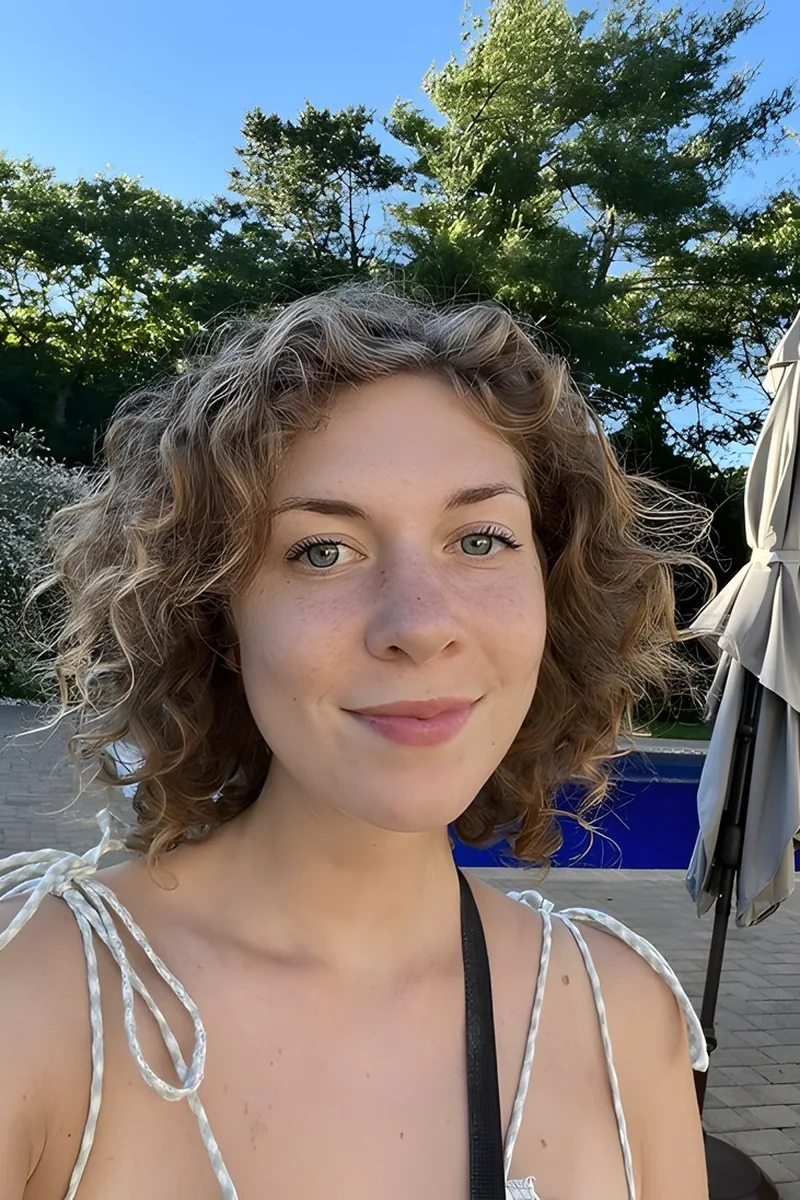
Zosia's chemistry degree from Yale gives her an unusual angle on marine biology — she can dig into the chemical mechanisms behind ocean acidification, nutrient cycling, and how dissolved gases affect organism physiology in ways that go beyond surface-level ecology. Her background in cell and molecular biology also means she's equipped to explain topics like photosynthetic symbiosis in corals or osmoregulation at the cellular level. Rated 4.9 by students.
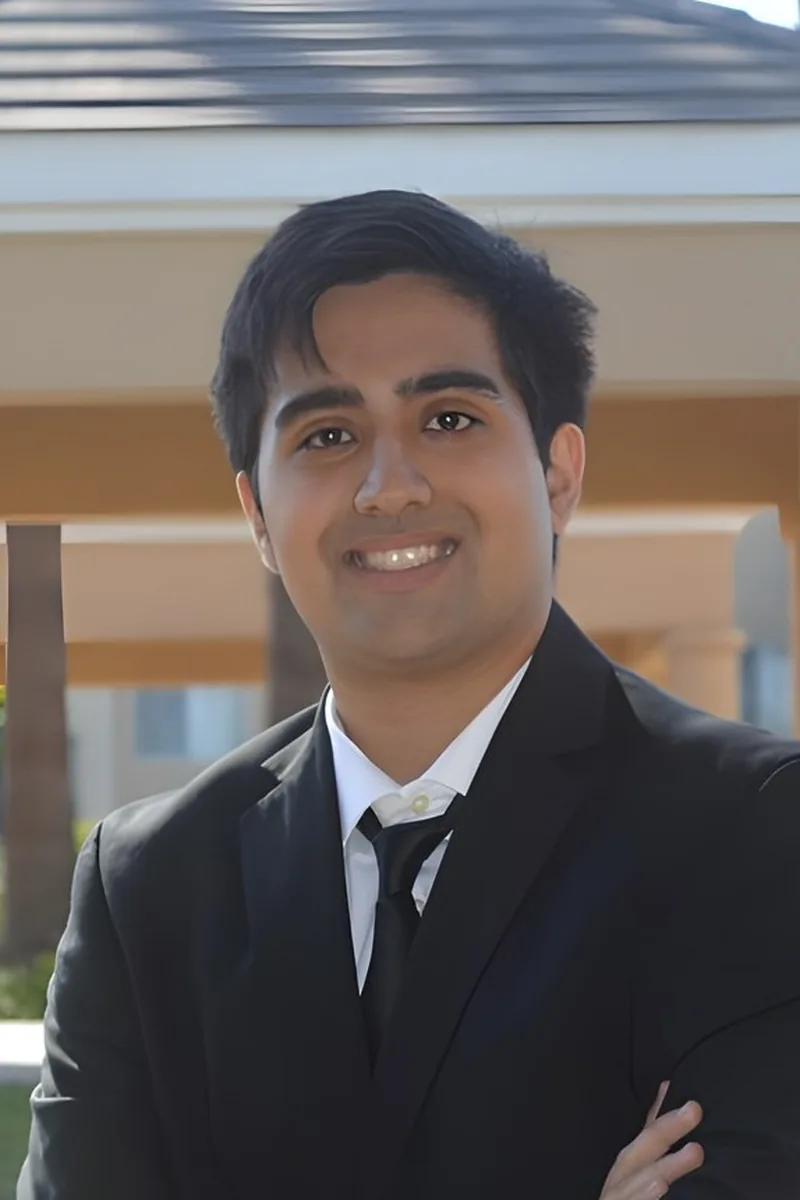
Medical school at MCW means Abrahim has the physiology and cellular biology chops to explain how marine organisms handle challenges like osmoregulation, gas exchange in gills, and thermoregulation in deep water — connecting each adaptation back to the underlying biological mechanisms. His UCLA biology degree also covered the ecological side, so he can move fluidly between organism-level physiology and broader topics like trophic cascades or intertidal zonation. Rated 5.0 by students.
Tracking sharks with acoustic telemetry arrays from Massachusetts to Tasmania gave Sofia firsthand expertise in the topics that define marine biology: animal behavior, habitat use, migration ecology, and oceanographic drivers of species distribution. She unpacks concepts like trophic dynamics and marine spatial planning using real datasets and field scenarios rather than textbook summaries alone. Students get a tutor who has actually deployed receivers on the seafloor and tagged animals in open water.
Christopher's cellular and molecular biology training at Johns Hopkins gives him a solid grip on the microscopic processes — cell signaling, membrane transport, photosynthesis — that govern how marine organisms survive in saltwater environments. He uses that molecular lens to explain phenomena like osmoregulation in sharks or bioluminescence in deep-sea creatures, connecting what's happening at the cellular level to the organism's ecology.
Studying anthropology at the University of Chicago meant engaging deeply with how human communities interact with natural environments, including marine ecosystems. Iris brings that interdisciplinary lens to marine biology, connecting topics like coral reef ecology, ocean circulation, and species adaptation to the broader environmental and evolutionary forces shaping them.
This is Zoey's home turf. She holds a Master's in Marine Biology and ran a summer camp devoted to ocean science, so topics like coral reef ecology, marine invertebrate physiology, and oceanographic processes are second nature. Whether the coursework involves identifying phyla in a lab practical or understanding thermohaline circulation, she brings firsthand academic and field knowledge to every session.
A PhD in environmental science means Karista has spent years studying how ecosystems function at the chemical, biological, and physical level — exactly the kind of integrated thinking marine biology demands when topics range from nutrient upwelling to symbiotic relationships in kelp forests. Her biochemistry training adds depth on the molecular side, so she can unpack how organisms handle challenges like salinity stress or anaerobic metabolism in oxygen-minimum zones. Rated 5.0 by students.
A biology degree with honors plus coursework in forensic science means Alan has the ecological and organismal knowledge to unpack marine biology topics like aquatic food webs, invertebrate classification, and adaptations to salinity and pressure changes. He grounds abstract ocean science in the underlying cell biology and chemistry, making connections between, say, how gill structures enable gas exchange and why certain species dominate specific depth zones. Rated 5.0 by students.
Pallavi's neurobiology concentration at Penn means she understands how marine organisms sense and respond to their environments — how electroreception works in sharks, how sea slug neural circuits became a model for memory research, or how cetaceans process echolocation signals. That neurological lens gives her a distinctive way to teach marine biology, grounding organism behavior and adaptation in the underlying biology rather than just cataloging species.
A strong biology and chemistry background — three science degrees from Dartmouth — gives Arianna the tools to tackle marine biology topics like ocean biogeochemistry, invertebrate physiology, and coral reef ecology. She connects molecular-level processes to larger ecosystem dynamics, making it easier to see how concepts like osmoregulation or symbiosis actually play out in marine environments.
Headed to medical school with a UCLA biology degree, Serena has the ecological and organismal foundations to walk through marine biology topics like biodiversity across ocean zones, marine vertebrate anatomy, and how abiotic factors shape community structure. She's especially effective at connecting big-picture concepts — like how energy flows through pelagic food webs — back to the cellular and physiological mechanisms driving them. Rated 5.0 by students.
Lindsey didn't just study marine biology in a classroom — her Maritime Studies degree involved direct engagement with ocean ecosystems, from coastal ecology to the biology of marine vertebrates and invertebrates. She unpacks topics like trophic cascades in kelp forests, coral symbiosis, and population dynamics in ways that connect textbook concepts to what's actually happening in the water. Students working through marine bio coursework get someone who genuinely lives this material.
Patrick's PhD in cellular and molecular biology — plus postdoctoral research at Harvard Medical School — means he can unpack the molecular machinery behind how marine organisms thrive in extreme conditions, from bioluminescent pathways in deep-sea species to the cellular stress responses that let intertidal organisms survive rapid environmental shifts. His cell biology and biochemistry depth turns topics that often feel like rote memorization into mechanistic stories that actually make sense. Rated 5.0 by students.
Ritu's biology degree covers the cellular and organismal foundations that marine biology builds on — from how photosynthetic plankton drive ocean productivity to how invertebrates maintain homeostasis in saltwater environments. Her breadth across cell biology, plant biology, and evolutionary biology means she can connect topics like tidal zone adaptations or marine food webs back to the underlying mechanisms. Rated 5.0 by students.
Not many tutors have actually educated the public from the deck of a whale watch vessel or monitored marine ecosystems in Puget Sound — Kevin has done both. He brings that firsthand field experience to topics like ocean circulation, marine food webs, coral reef ecology, and cetacean biology, making the subject tangible in a way textbook readings alone can't.
Emily's psychology and education background gives her a knack for making dense biological content stick — useful in marine biology, where students juggle everything from invertebrate classification to ocean zonation patterns. She zeroes in on how organisms interact with their environments, drawing on her broad biology teaching experience across ecology, cell biology, and environmental science to connect marine concepts back to core biological principles. Holds a 5.0 rating.
Between her biology degree, coursework in microbiology and biochemistry, and a 4.9 client rating, Michelle brings a versatile science toolkit to marine biology — particularly useful when topics shift from memorizing phyla to understanding the biochemical adaptations that let organisms thrive in extreme ocean environments. She's strong at unpacking how concepts like chemosynthesis at hydrothermal vents or symbiotic nutrient exchange in coral actually work at the molecular level.
Between her biology degree and her breadth across ecology, genetics, cell biology, and evolutionary biology, Mariam can trace how marine organisms evolved their adaptations — why certain fish developed countercurrent exchange in their gills, or how intertidal species tolerate dramatic shifts in salinity and temperature. She connects these organism-level stories back to the molecular and cellular mechanisms driving them, which keeps the material grounded rather than abstract. Rated 5.0 by students.
Between cell biology, microbiology, virology, and molecular genetics, Steven's coursework covered the exact biological systems that make marine organisms fascinating — how they fight pathogens in saltwater, how their cells handle osmotic stress, how microbial communities sustain entire ocean food webs. He unpacks these topics at the mechanistic level, connecting what's happening in a tide pool or hydrothermal vent back to the cellular and molecular biology driving it. Rated 5.0 by students.
Teaching high school science and holding a math minor means Brianna is comfortable breaking down the quantitative side of marine biology — population modeling, salinity calculations, and interpreting data from ecological surveys. Her experience with anatomy and plant biology also gives her a practical handle on topics like marine organism physiology and photosynthetic processes in aquatic environments. Rated 4.9 by students.
Dristi's optometry doctoral training at Waterloo builds directly on the physiology and cell biology she studied during her McMaster biology degree — knowledge that translates well when marine biology courses cover how organisms adapt sensory systems, regulate osmotic balance, or exchange gases in aquatic environments. Her comfort with both the life sciences and quantitative reasoning means she can move between interpreting ecological data and explaining the biological mechanisms behind topics like invertebrate nervous systems or photoreception in deep-sea species.
Testimonials
Because the right Marine Biology tutor makes all the difference.
Average Session Rating – Based on 3.4M Learner Ratings
Top 20 Science Subjects


Top 20 Subjects
Frequently Asked Questions
Students often struggle with visualizing microscopic marine organisms, understanding complex ecosystems and food webs, and connecting theoretical concepts like photosynthesis and nutrient cycling to real ocean environments. Personalized 1-on-1 instruction helps break down these abstract concepts using diagrams, animations, and real-world examples—like explaining how phytoplankton form the base of ocean food chains or how coral bleaching relates to water temperature changes. A tutor can also help you develop scientific reasoning skills, not just memorize facts, so you understand the "why" behind marine processes.
Marine Biology lab courses require hands-on skills like identifying species, analyzing water samples, interpreting microscope observations, and writing scientific reports. Expert tutors can help you understand lab procedures before you enter the lab, interpret your results afterward, and develop strong scientific method practices. They can also guide you through data analysis, help you draw accurate conclusions from your observations, and improve your ability to communicate findings clearly—skills that are just as important as the lab work itself.
Understanding concepts is far more valuable than memorization alone. While Marine Biology does require learning species names, anatomical structures, and ecological terms, rote memorization won't help you tackle essay questions, lab scenarios, or exams that ask you to apply knowledge to new situations. Personalized tutoring focuses on building deep understanding—connecting how a fish's gill structure relates to its oxygen absorption, or how ocean currents distribute nutrients and larvae. When you truly understand the concepts, the important facts stick naturally, and you're prepared for any question format.
The best Marine Biology tutors combine subject expertise with the ability to explain complex topics clearly. Look for someone who can visualize abstract concepts (like ocean thermoclines or bioluminescence), connects theory to real-world marine applications, and understands your specific curriculum—whether that's high school biology, AP Marine Science, or college-level oceanography. A strong tutor will also ask questions to check your understanding rather than just lecturing, and adapt explanations based on how you learn best.
This depends on your starting point and goals. Students working with a tutor on specific challenging topics (like photosynthesis or marine adaptation) often see improvement in 4-6 weeks of consistent sessions. If you're preparing for an AP Marine Science exam or comprehensive course, a longer commitment of several months allows time to build deep understanding and practice applying concepts across different scenarios. Most students benefit from weekly sessions, though some find bi-weekly sessions work well once they've grasped foundational concepts and have strategies for independent study.
Absolutely. Marine Biology increasingly emphasizes real-world applications like coral bleaching, ocean acidification, overfishing, and marine conservation. Personalized instruction helps you understand both the underlying science (how CO₂ affects ocean pH, how warming waters affect species distribution) and the broader implications. Tutors can help you connect classroom concepts to current events and research, develop critical thinking about environmental challenges, and prepare for discussions or projects that require applying marine biology to conservation issues.
Scientific writing requires more than knowing the content—you need to explain concepts clearly, support claims with evidence, and use proper terminology. Expert tutors can help you structure essays, develop clear thesis statements, practice explaining complex processes (like osmoregulation or chemosynthesis) in writing, and review your work for accuracy and clarity. They'll also help you strengthen scientific reasoning by teaching you how to interpret data, draw justified conclusions, and think critically about marine research—skills that improve both your grades and your understanding of the subject.
Let’s find your perfect tutor
Answer a few quick questions. We’ll recommend the right plan and match you with a top 5% tutor.