Award-Winning Special Education Tutors
serving Seattle, WA
Special Education
Tutors in Seattle
Private 1-on-1 tutoring, weekly live classes for academic support, test prep & enrichment, practice tests and diagnostics, and more to elevate grades and test scores.
Based on 3.4M Learner Ratings
UniversitiesSchools & Universities
DeliveredHours Delivered
ProficiencyGrowth in Proficiency
Who needs tutoring?
No obligation. Takes ~1 minute.
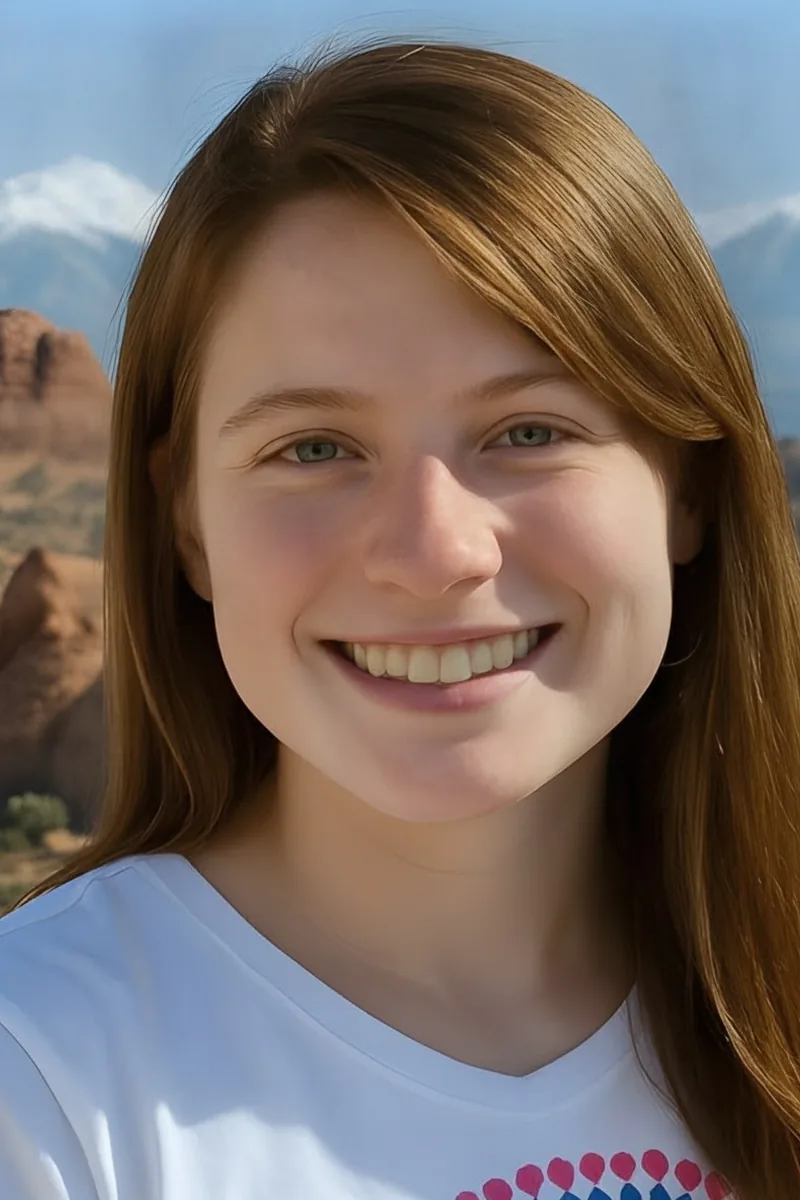
Substitute teaching across K-12 classrooms exposed Angela to a wide range of learning differences, from ADHD to dyslexia to processing disorders, and taught her to adapt explanations on the fly. She breaks assignments into smaller, clearly sequenced steps and uses multisensory techniques — verbal, visual, hands-on — to match how each student actually processes information. Her patience and genuine connection with students show in her 5.0 rating.

Update: I completed a two-month full-time guest teacher assignment teaching World Languages Spanish to high school students (9th-12th) Spanish 1/2/3. By utilizing a student-centered learning approach, cultural competence, and equitable teaching, I support students with pedagogy rooted in inquiry, hypothesis, information gathering, problem-solving, and action. I encourage all students to adopt an open-minded approach, and provide support to gifted students, students with disabilities, English Language Learners, and Multilanguage Learners with equity. "Not everything that is faced can be changed, but nothing can be changed until it is faced." James Baldwin I am in my second year of grad school, pursuing a dual master's degree in K-8 Elementary Education and K-12 Special Education (Mild to Moderate Disabilities). With my education grad studies and BFA from the Rhode Island School of Design (RISD), I synthesize creativity and best practices in education to find creative ways of supporting learners. My pursuit and purpose is to guide with compassion and enthusiasm. I encourage students to take ownership of their learning. By promoting student agency, students empower themselves to achieve in academic, social, emotional, and behavioral development. As an ADHD adult, I enjoy working with ADHD students and adults experiencing anxiety + depression. What is effortful for our neurodivergent brains is also our superpower! In my career, I have lived and worked in NYC as an editorial photographer, actor, and dancer. I lived in Berlin and pursued performance art + music while honing my communications skills in digital art + copywriting in Marketing. In Los Angeles, I succeeded as a commercial and theatrical actor. My skill set is suited for collaboration with all students to support and develop their passion for learning, exploration, and critical thinking. I live in southeastern Washington State and teach in northeastern Oregon and southeastern Washington State public school districts. I support students in the following subjects: Elementary School Reading Elementary School Math AP English High School English Middle School English Middle School Math Digital Media & Graphic Design Fine Arts & Filmmaking Creative Writing Study Skills & Organization German 1/2 Spanish 1/2/3 Spanish Language Arts English Language Learners English Language Development Algebra 1/2 Special Education (all subjects) High School Math "We all have ability. The difference is how we use it." Stevie Wonder Thank you for reading! Ms. Anna C.
During her year as a teaching assistant in a first-grade classroom, Molly worked directly with students with special needs, adapting lessons and tracking individual progress toward IEP goals. Her dual major in elementary and special education gives her formal training in differentiated instruction, multisensory learning strategies, and behavior support frameworks. She understands how to modify materials so that a student can access the same content their peers are learning, just through a different pathway.
As a state-certified teacher with special education experience, Marina adapts lessons to match each learner's processing style — whether that means breaking multi-step directions into smaller chunks, using visual supports for abstract concepts, or building in movement breaks that reset focus. Her UCLA background in public health sharpened her understanding of how environment and individual needs shape learning outcomes.
Heather's psychology background gives her real insight into how different learners process information — whether a student needs material broken into smaller chunks, presented visually, or reinforced through repetition. She's especially effective with kids who get frustrated easily, building their confidence alongside their skills in reading, math, or writing. Rated 5.0 by families she's worked with.
Rosemary's graduate work in occupational therapy included extensive training in adaptive learning strategies, sensory processing, and task analysis — the clinical side of what special education looks like in practice. She volunteers regularly with the Down syndrome community, giving her hands-on experience tailoring instruction to different cognitive and developmental profiles. That combination means she doesn't just know accommodations exist; she knows how to implement them in real learning moments.
Katie's Master of Social Work gives her structured training in individualized support, behavioral strategies, and understanding how learning differences like ADHD, dyslexia, and processing disorders affect a student's experience in the classroom. She adapts lessons to each student's pace and learning style, breaking tasks into smaller steps and using multisensory techniques to reinforce concepts. That combination of clinical knowledge and teaching experience makes her especially effective with students who need more than a one-size-fits-all approach.
Annie's graduate training in counseling psychology gave her direct experience with IEPs, learning accommodations, and the cognitive frameworks behind conditions like dyslexia, ADHD, and processing disorders. She adapts lesson pacing, breaks tasks into smaller chunks, and uses multi-sensory techniques tailored to each learner's profile — not a one-size-fits-all script.
Every learner processes information differently — some through auditory explanation, some through visual mapping, others through hands-on activity — and Harry builds each session around identifying what actually works for that student. His background in theater and education at Northwestern trained him to read an audience and adapt in real time, a skill that translates directly to adjusting pacing, modality, and complexity for students with diverse learning needs.
A psychology degree gave Maggie a deep understanding of how learning differences — from ADHD to processing disorders — affect the way students absorb and retain information. She adapts lessons using multi-sensory techniques, scaffolded instructions, and frequent check-ins that keep students engaged without overwhelming them. Her approach is patient and structured, building skills at a pace that respects each learner's needs.
Every learner processes information differently, and Jessica adapts her teaching style accordingly — breaking concepts into smaller steps, using visual organizers, or finding alternative explanations when the standard one doesn't click. Her science and economics training means she can support students across multiple subjects while keeping the focus on building confidence and independence. She's patient, structured, and attentive to what each individual student actually needs to move forward.
Teaching on an ESL elementary campus meant Madison regularly adapted lessons for students with vastly different learning needs, processing speeds, and communication styles. She builds individualized approaches — breaking instructions into smaller steps, using visual and auditory reinforcement, and adjusting in real time — so that each student can access the material at their own pace without feeling left behind.
Certified in special education, Elise designs sessions around how each learner actually processes information — visual cues, hands-on activities, scaffolded instructions, or a mix of all three. She covers core academics like reading, writing, and math while building the self-advocacy skills that let students speak up for what they need in the classroom. Her background in studio arts adds a creative dimension that keeps learners engaged rather than overwhelmed.
Colin is a certified special educator whose classroom experience spans multiple grade levels and learning profiles, from students with dyslexia and ADHD to those on the autism spectrum. He designs each session around a student's specific IEP goals and learning style — visual aids for one learner, movement-based activities for another — rather than applying a one-size-fits-all approach. That individualized structure builds both academic skills and the confidence students need to advocate for themselves in the classroom.
Testimonials
Because the right Special Education tutor makes all the difference.
Average Session Rating – Based on 3.4M Learner Ratings
Other Seattle Tutors
Frequently Asked Questions
Special education tutoring provides personalized 1-on-1 instruction tailored to each student's unique learning needs, whether they have an IEP (Individualized Education Program), 504 plan, or specific learning differences. Tutors work with students on academic skills, executive functioning, social-emotional learning, and adaptive strategies—all customized to support their individual goals and learning style. This targeted approach complements classroom instruction and helps students build confidence and independence.
Varsity Tutors connects you with tutors who understand IEP requirements and can reinforce the specific academic and behavioral goals outlined in your student's plan. Before starting, tutors review your student's IEP to ensure instruction targets priority areas—whether that's reading fluency, math computation, organization skills, or social communication. This alignment maximizes the impact of tutoring and supports progress toward measurable IEP objectives.
With 9 school districts across Seattle serving diverse student populations, many students struggle with the gap between classroom pace and their individual learning speed, particularly in core academics like reading and math. Students often face challenges with executive functioning—organization, time management, and task initiation—which can affect academic performance even when they understand the content. Personalized tutoring addresses these specific barriers by breaking skills into manageable steps, providing frequent feedback, and building strategies that work for each student's brain.
In a classroom with a 15.4:1 average student-teacher ratio, teachers must pace instruction for the whole group, which often leaves students with learning differences behind or unchallenged. Personalized 1-on-1 instruction allows tutors to slow down, repeat concepts, use multi-sensory strategies, and adjust in real time based on what's working. This individualized approach builds mastery and confidence in ways that classroom instruction alone often cannot.
The first session focuses on getting to know your student—their strengths, challenges, learning style, and goals. Tutors ask about academic history, any diagnoses or learning differences, current struggles, and what success looks like for your family. This foundation helps tutors create a personalized plan and build the trust and rapport that makes learning effective.
Yes. Many students with special needs struggle with organization, planning, working memory, and task initiation—skills that affect academic performance across all subjects. Tutors can teach concrete strategies like breaking assignments into steps, using visual schedules, creating systems for tracking work, and building habits that support independence. Over time, these skills generalize beyond tutoring and help students succeed in school and life.
Varsity Tutors connects you with tutors who track progress regularly through informal assessments, work samples, and goal monitoring aligned with your student's IEP or learning objectives. You'll see measurable improvements in specific skills—like reading fluency, math accuracy, or assignment completion—as well as gains in confidence and engagement. Regular communication with your tutor helps you understand progress and adjust goals as your student grows.
When you connect with Varsity Tutors, share your student's learning profile—their diagnosis, IEP goals, strengths, and challenges—so we can match them with a tutor who has relevant expertise and experience. Whether your student needs support with autism, dyslexia, ADHD, speech and language, or other learning differences, tutors are selected based on their qualifications and fit for your student's needs. This personalized matching helps ensure your student gets the right support from day one.
Let’s find your perfect tutor
Answer a few quick questions. We’ll recommend the right plan and match you with a top 5% tutor.