Award-Winning Thesis Writing
Tutors
Thesis Writing
Tutors
Private 1-on-1 tutoring, weekly live classes for academic support, test prep & enrichment, practice tests and diagnostics, and more to elevate grades and test scores.
Based on 3.4M Learner Ratings
UniversitiesSchools & Universities
DeliveredHours Delivered
ProficiencyGrowth in Proficiency
Who needs tutoring?
No obligation. Takes ~1 minute.

A thesis lives or dies by its argument structure — the clarity of the central claim, the logic connecting each chapter, and the way evidence builds toward something original. Patrick is completing his master's in creative writing and English literature at Harvard, where he's developed a sharp eye for turning sprawling research into a cohesive, well-defended thesis. He walks students through everything from narrowing a topic to revising final drafts that satisfy even the toughest committee expectations.
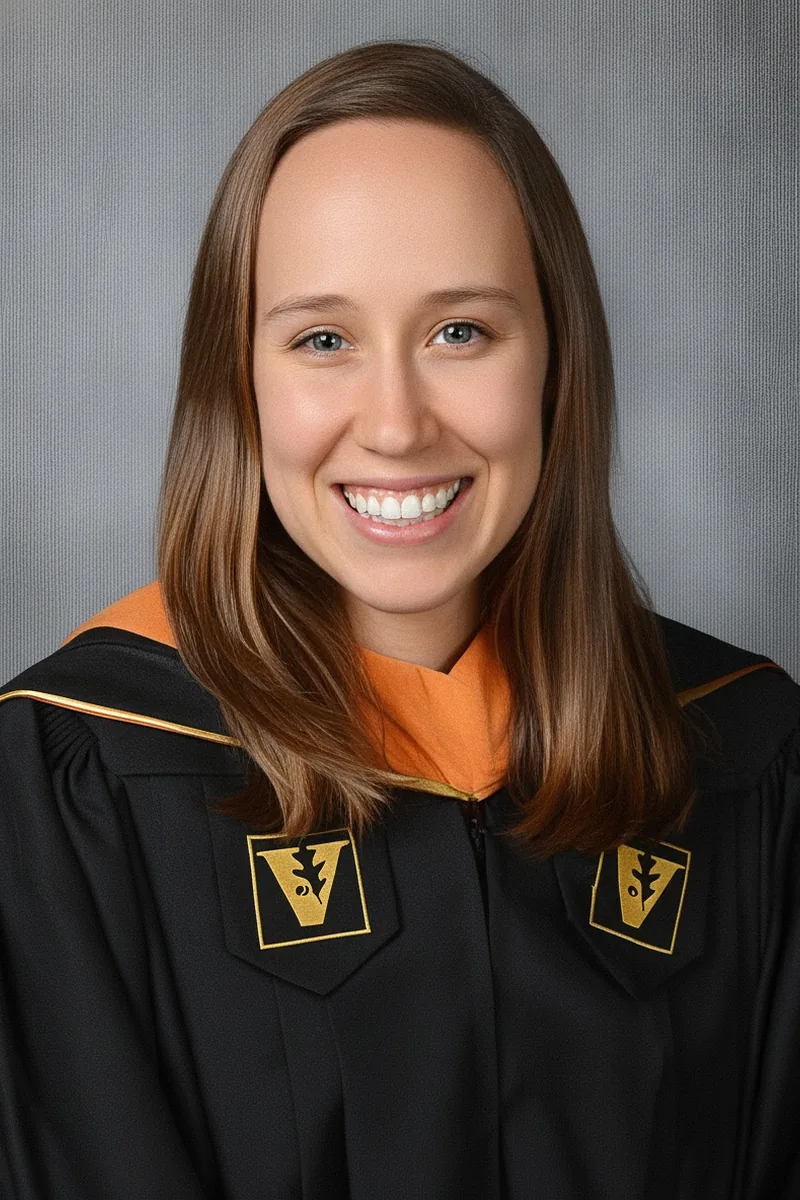
Katherine has written and defended her own graduate thesis in nursing and spent her undergraduate years editing research papers for peers across disciplines. She unpacks the architecture of a strong thesis — from narrowing a research question to organizing a literature review to maintaining a consistent argument across sixty-plus pages — so students feel in control of a project that can otherwise feel overwhelming.
A strong thesis lives or dies on how well the writer connects their data to a coherent argument, and Rashida's own doctoral research gave her deep practice in exactly that skill. She walks students through the architecture of a thesis — crafting a defensible research question, organizing chapters logically, and writing results sections that let the evidence speak clearly.
Crafting a thesis requires narrowing a broad curiosity into a defensible argument, and then sustaining that argument across dozens of pages — a process Esteban knows firsthand from his own anthropology research. He digs into the architecture of a thesis: sharpening the central claim, organizing evidence into coherent chapters, and ensuring each section advances the argument rather than drifting. His feedback targets both the big-picture structure and the sentence-level clarity that committees look for.
Getting from a broad research question to a defensible thesis statement is where most graduate students stall. Lacey's own master's work in classics required synthesizing primary sources across languages and centuries, and she applies that same discipline to coaching thesis writers through argument construction, source integration, and the revision cycles that turn rough chapters into polished scholarship.
I love to help students to do well on the SAT and ACT Verbal, Reading, and English sections. I have tutored these areas of standardized tests for more than 3 years. My approach is not "standardized" because I enjoy working one-on-one with clients to tailor learning experiences that address each person's unique needs. As a former professor of communication, I also have the skills to help professionals and graduate students with their research and writing. I am currently helping a doctoral student with her dissertation.
Nicole's linguistics training gives her a sharp eye for the sentence-level precision that thesis committees care about — consistent terminology, clear topic sentences that advance an argument, and transitions that actually connect chapters instead of just bridging them. Her M.A. in Education also means she understands how to break the overwhelming process of drafting 80+ pages into manageable stages, from tightening a research question to revising a full draft for coherence. Rated 4.9 by students.
I am passionate about helping students because I've been a student my whole life! Even though I'm a professor now, I love to learn. And now that I have experience, I love to help others along the learning journey. I have degrees in English and education from Rice University, UT Austin, Texas State, and Texas A&M. I also studied abroad in England at the University of East Anglia and have traveled to many countries. I tutor English and Spanish (my family is from Mexico City). My favorite thing to tutor is writing, and I have taught writing from the Kindergarten-graduate school (Ph.D.) level (what I currently do). I am here to share tools and tips to help you succeed in your learning journey.
A thesis lives or dies by its argument structure, and Toni knows how to sharpen one. With an M.A. in English and experience as a college professor, she walks students through every stage — narrowing a research question, building a literature review, organizing chapters around a central claim — so the writing process feels manageable rather than overwhelming.
A thesis lives or dies by its argument structure, and Heidi approaches each draft the way an editor would — scrutinizing the claim, checking whether evidence supports it at every turn, and tightening the prose until the reasoning is airtight. Her master's work at Northwestern's Medill School required sustained research writing under deadline pressure, so she understands both the intellectual and practical challenges of producing a polished thesis. She's particularly effective at teaching students how to narrow an unwieldy topic into a defensible, original argument.
Writing a thesis is as much a project-management challenge as an intellectual one — narrowing a question, building a literature review, drafting chapters on deadline. Patrick is deep in this process himself as a PhD candidate at Rutgers, and he brings practical strategies for everything from organizing archival research to revising argument structure across a 50-plus-page document.
The hardest part of thesis writing is usually not the research — it's translating months of reading into a coherent, arguable claim and sustaining it across fifty or more pages. Paul has guided this process from both sides, having completed his own graduate work at Chicago and supervised student theses as a college professor. He digs into the structural problems that stall most writers: scoping the argument, organizing evidence, and revising for clarity without losing complexity.
Completing an MA thesis at the University of Chicago in disability studies meant Daniel had to build an argument across sixty-plus pages — narrowing a broad question into a defensible claim, organizing chapters around evidence, and revising through multiple drafts with faculty feedback. He teaches thesis writers how to move from a messy first idea to a structured, citation-rich document with a clear throughline. Rated 4.9 by students.
Writing a thesis means managing a long-form argument across dozens of pages while staying focused on a single, evolving claim — a skill most students have never been asked to develop before. Jennifer completed her own master's thesis at Boston College in Irish Literature and Culture, so she knows the process inside out: narrowing a topic, building a literature review, structuring chapters, and revising through multiple drafts. She's especially useful in the early stages when the scope of the project feels paralyzing.
Between a master's thesis in public policy and a doctoral dissertation in nutrition sciences, Gloria has navigated the full arc of thesis writing twice — from literature review to defense. She's particularly sharp at identifying when a student's argument has drifted from their research question and restructuring sections so the through-line is unmistakable.
Completing a thesis means managing two things at once: the quality of the writing and the logistics of getting it done. Brandy's own MFA thesis experience, combined with her role advising graduate students, means she can dig into everything from structuring a literature review to navigating committee expectations. She regularly presents on graduate student success and applies that same strategic thinking to each project.
I am persuasive and capable of developing rapport and trust, as well as experienced in influencing the attitudes and ideas of others.
A thesis demands something most coursework never requires: sustaining a single, original argument across dozens of pages while weaving in scholarly sources that genuinely advance the claim. Rukhsar, who earned her own doctorate and holds an MA in Political Science, walks students through the architecture of a thesis — literature review structure, methodology justification, and the art of writing transitions that hold a long-form argument together.
The hardest part of thesis writing isn't the research — it's turning months of reading into a single, defensible argument with a clear structure. Yair completed a PhD dissertation in General Literature and tutored thesis-level writers at Duke's Thompson Writing Program, giving him firsthand experience with the process from prospectus through final defense.
The hardest part of thesis writing is often not the research itself but organizing months of work into a document that reads as one sustained argument. Vinod drew on this skill extensively during his own doctoral work in chemical engineering and now teaches students how to structure chapters, manage citations, and revise methodically rather than endlessly.
Having written and defended an honors senior thesis on Antarctic ice sheet dynamics — and currently preparing it for journal publication — Hillel brings real, recent experience to every stage of the thesis process. He walks students through proposal development, source integration, and the structural decisions that turn a collection of research into a cohesive argument.
Sierra's journalism training taught her something most thesis writers learn the hard way: how to take a sprawling mass of research and distill it into a single, tightly structured narrative with a clear through-line. She applies that editorial instinct to every stage of the thesis process, from sharpening a vague research question into a defensible claim to cutting the filler that buries an argument across chapters. Her background in communications also means she's sharp at helping students write prose that's precise enough for a committee but readable enough to actually persuade.
A strong thesis lives or dies by its argument structure — the clarity of the claim, the logic connecting evidence to conclusions, and the coherence of each chapter's role in the bigger picture. Tolu's training in History and Philosophy of Science taught her to build exactly that kind of sustained, evidence-driven argument across dozens of pages. She walks students through everything from narrowing a research question to defending their final draft.
A thesis lives or dies by its argument structure, and David's research background at Wesleyan — including editing scholarly transcripts on the history of philosophy — gave him firsthand experience with the architecture of long-form academic writing. He digs into the specific pain points: narrowing a topic into a defensible claim, integrating sources without losing your own thread, and revising chapter drafts so each section earns its place.
Having completed a master's thesis in European Studies, Mara knows firsthand how overwhelming it is to manage a long-form research project — narrowing a topic, organizing sources, maintaining a coherent argument across dozens of pages. She walks writers through each stage, from the initial literature review and outline through revision cycles that sharpen both the argument and the prose.
A thesis lives or dies by its argument structure, and Paulina knows this from the inside — she's currently writing her own as a PhD candidate in Anthropology at Columbia. She walks students through every stage, from narrowing a research question to organizing literature reviews to defending claims across chapters.
I am very motivated to help others reach their academic goals. I am currently a master's student studying Immunology, but I have a background in general biology and chemistry, too, with a heavy emphasis on molecular biology and genetics.
A graduate-level thesis lives or dies by its argument structure — the clarity of the central claim, the logic connecting evidence to analysis, and the coherence of each chapter's contribution to the whole. Vianna wrote her own master's thesis in the social sciences and now walks students through every stage, from narrowing a research question to defending the final draft. Rated 5.0 by students.
Constructing a thesis — whether for a senior capstone, an honors project, or a graduate application writing sample — requires managing a sustained argument across dozens of pages without losing the thread. Emmaline completed extensive research writing across two Columbia bachelor's degrees and a master's program, and she breaks the process into manageable stages: narrowing a research question, organizing evidence into chapters, and tightening argumentation during revision.
Mantong's own senior thesis explored the postwar history of Chinese students in the U.S. and their transnational identities — a project that required narrowing a sprawling topic into a defensible argument, managing dozens of primary sources, and revising through multiple drafts. He walks thesis writers through every stage, from developing a research question to structuring chapters to tightening prose before the final submission.
A thesis lives or dies by its argument structure, and Arthur's economics degree required exactly the kind of sustained, evidence-driven writing that thesis projects demand. He digs into the process at every stage — narrowing a broad topic into a defensible claim, organizing chapters around distinct sub-arguments, and tightening prose so that each section advances the central thesis without redundancy.
A strong thesis isn't just a topic sentence — it's a claim that shapes every paragraph that follows. Megan breaks down the process of moving from a broad research question to a focused, defensible argument, then walks through how to align each section of the paper with that central thread. Her nursing research background means she's comfortable with both scientific and humanities-style thesis structures.
Having written and defended her own MFA thesis at SCAD, Emily knows the difference between a strong argument on paper and one that actually survives committee feedback. She walks students through every stage — crafting a viable thesis statement, organizing evidence into a logical chapter structure, and tightening prose so each section advances the central claim.
The hardest part of thesis writing isn't the research — it's narrowing a broad interest into a defensible, specific claim and sustaining that argument across dozens of pages. Stephen's background in English gives him deep experience with long-form academic writing, and he tackles the structural challenges that trip most students up: literature reviews, chapter organization, and maintaining a consistent argumentative thread from introduction to conclusion.
Writing a thesis means managing a sprawling argument across dozens of pages — keeping your literature review, methodology, and discussion chapters in conversation with each other. Tyler completed this process for his M.S. in Biological Sciences at Nova Southeastern, where he structured original research on marine fish ecology into a cohesive scientific narrative. He walks students through everything from crafting a defensible thesis statement to formatting citations and responding to committee feedback.
The hardest part of thesis writing often isn't the research — it's translating months of reading into a sustained, original argument with clear stakes. Lauren holds a Master of Letters from the University of St Andrews and is deep in her own doctoral work at UT Austin, so she knows the process from both sides. She digs into thesis structure, evidence integration, and the revision cycles that turn a rough draft into a polished, defensible piece of scholarship.
Patrick completed a doctoral thesis in Cellular and Molecular Biology and now conducts postdoctoral research at Harvard Medical School, so he's been through every stage of thesis writing — proposal, drafts, committee feedback, and defense. He teaches students how to build a coherent argument across chapters, synthesize sources without losing their own voice, and handle the structural demands that make a thesis different from any paper they've written before.
Crafting a thesis requires narrowing a broad topic into a defensible claim and then organizing evidence into a coherent structure that sustains over dozens of pages. Ritu brings the same rigorous analytical process she uses in scientific research to thesis writing, walking students through literature reviews, argument construction, and revision strategies.
A thesis lives or dies by its argument structure, and too many students start writing chapters before they've nailed down a defensible claim. Darby walks writers through the process from research question to final draft, unpacking how to synthesize secondary sources, frame a literature review, and maintain a coherent thread across sixty-plus pages. Her MA in Creative Writing also means she pays attention to prose clarity — academic writing doesn't have to be unreadable.
I am currently pursing a masters in physiology. I have been tutoring for over 5 years and have tutored a wide variety of subjects. I have worked with a multitude of age ranges and have successfully implemented strategies that help students in their everyday academic lives.
Testimonials
Because the right Thesis Writing tutor makes all the difference.
Average Session Rating – Based on 3.4M Learner Ratings
Top 20 English Subjects


Top 20 Subjects
Frequently Asked Questions
A strong thesis statement is specific, arguable, and supported by evidence—it's the foundation of your entire paper. Many students struggle with vague or overly broad statements that don't clearly take a position. A tutor can help you refine your thesis by asking critical questions about your argument, identifying logical gaps, and showing you how to narrow your focus so your paper has real depth and direction.
Organization is one of the biggest challenges students face when writing longer papers. A tutor can work with you to create an outline that supports your thesis, ensure each paragraph has a clear topic sentence connected to your main argument, and help you arrange evidence in a way that builds persuasive momentum. With personalized guidance, you'll see how strong structure makes your argument stronger and easier to follow.
Writer's block often stems from pressure to write perfectly on the first try or uncertainty about your argument. Tutors can help by breaking the writing process into manageable steps: starting with freewriting or brainstorming, developing your thesis before drafting, and focusing on getting ideas down rather than polish. Having someone to talk through your ideas with can unstick your thinking and help you build momentum.
Personalized tutoring feedback goes beyond surface-level corrections. You can expect detailed guidance on whether your thesis is clear and defensible, if your evidence actually supports your claims, whether your paragraphs flow logically, and how your voice and style come across. Tutors help you understand the reasoning behind suggestions so you can make stronger revisions independently, rather than just fixing errors.
Yes—citation formatting is a common source of confusion, but it's absolutely teachable. A tutor can clarify which style your assignment requires, show you how to integrate citations smoothly into your writing (so they support rather than interrupt your argument), and help you format your bibliography correctly. Understanding the purpose of citations—giving credit and letting readers find your sources—makes the mechanics much clearer.
Literary analysis requires a thesis that makes an interpretive argument about a text—not just a summary. A tutor can help you move from surface-level observations to deeper analysis by teaching you how to use textual evidence (quotes, scenes, character development) to support a meaningful claim about what the author is doing or saying. You'll learn to balance close reading with argumentation so your thesis feels both specific and significant.
Expect personalized, collaborative instruction tailored to your specific assignment and writing style. You'll work together on thesis development, organization, drafting strategies, and revision—receiving detailed feedback that helps you understand how to strengthen your argument. Whether you're starting from scratch or polishing a draft, a tutor provides the one-on-one support and accountability that helps students move from uncertain to confident writers.
Let’s find your perfect tutor
Answer a few quick questions. We’ll recommend the right plan and match you with a top 5% tutor.