Award-Winning Biochemistry Tutors
serving Kansas City, MO
Biochemistry
Tutors in Kansas City
Private 1-on-1 tutoring, weekly live classes for academic support, test prep & enrichment, practice tests and diagnostics, and more to elevate grades and test scores.
Based on 3.4M Learner Ratings
UniversitiesSchools & Universities
DeliveredHours Delivered
ProficiencyGrowth in Proficiency
Who needs tutoring?
No obligation. Takes ~1 minute.
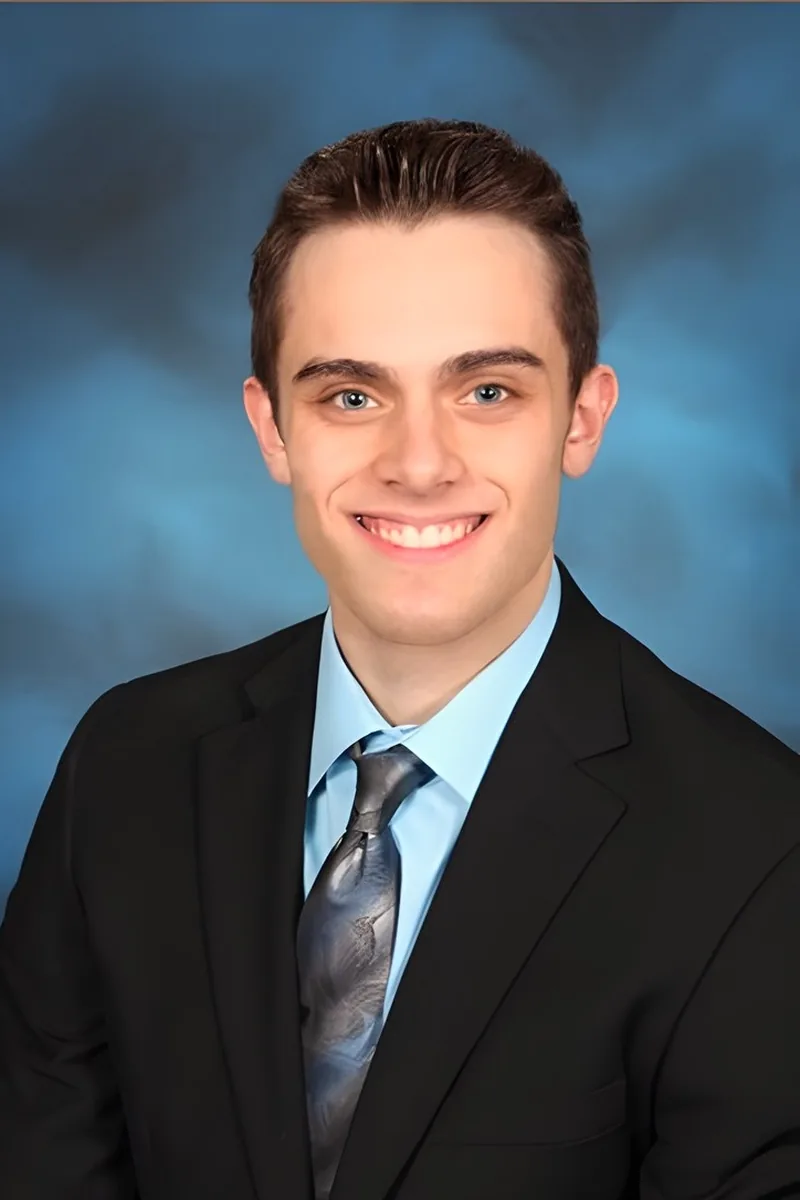
Amino acid structures, enzyme kinetics, metabolic pathways — biochemistry demands that students hold molecular details and big-picture logic in their heads at the same time. Paul's biology honors work at Brown required exactly this kind of thinking, and he walks students through reaction mechanisms and pathway regulation with a clarity that makes the material stick.
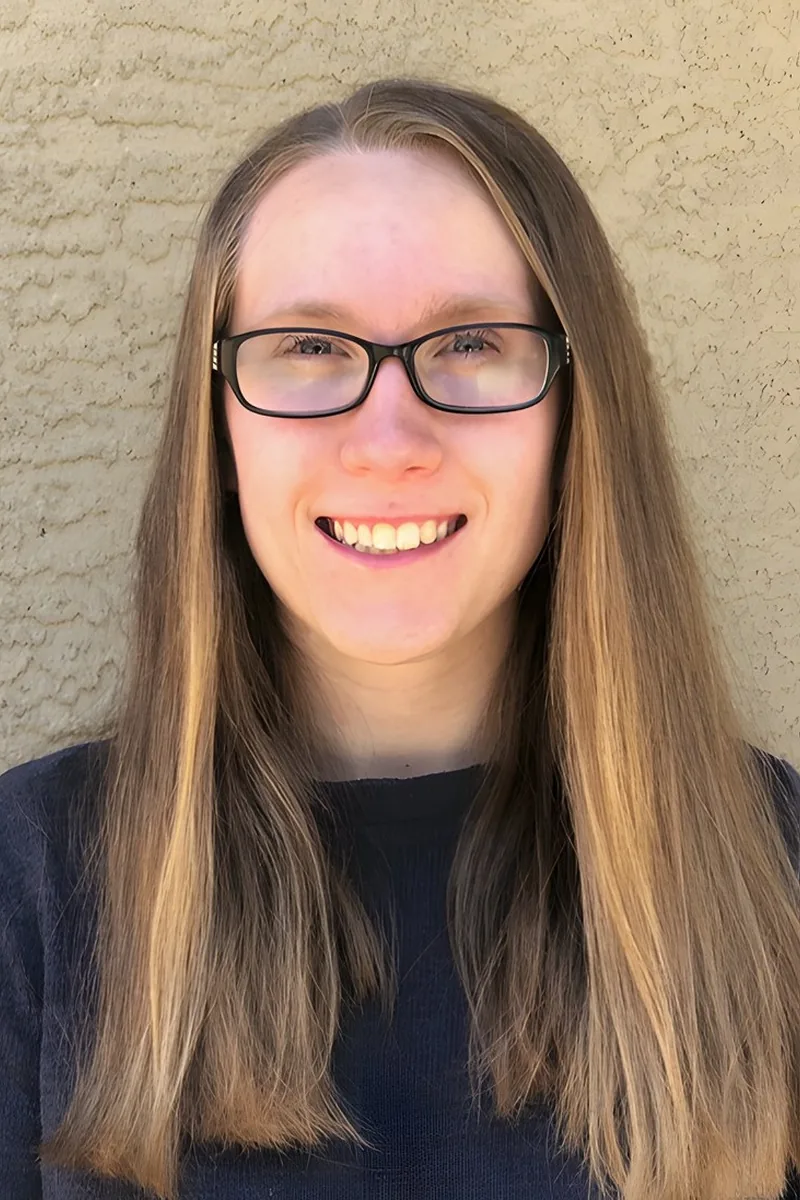
Cassandra's biology degree gives her the cellular and molecular grounding to teach biochemistry from the chemistry up — she walks through topics like enzyme regulation and metabolic intermediates by connecting each reaction to the organic chemistry driving it. Seven years of tutoring math and science across middle school through college means she's seen where students lose the thread, especially when pathways like gluconeogenesis start layering on exceptions and reversals. Rated 4.9 by students.
Managing an immunology lab means Matthew doesn't just teach enzyme kinetics, protein structure, or metabolic pathways from a textbook — he uses them daily in his breast cancer research at Columbia. He walks through topics like signal transduction, amino acid chemistry, and lipid metabolism with the kind of specificity that turns confusing diagrams into logical sequences students can actually reason through.
Enzyme kinetics, metabolic pathways, protein folding — Connor digs into biochemistry with the depth his biomedical sciences master's from Loyola Chicago demanded. He connects molecular-level details to physiological outcomes, so a student learning about Michaelis-Menten kinetics also understands what it means when a drug is a competitive inhibitor in a clinical context.
Enzyme kinetics, metabolic pathways, protein folding — biochemistry sits at the intersection of biology and chemistry, and Zachary holds a degree in exactly that. He digs into the molecular logic behind processes like glycolysis and the citric acid cycle, connecting reaction mechanisms to the bigger physiological picture so the details actually stick.
Enzyme kinetics, metabolic pathways, protein structure — biochemistry sits at the intersection of biology and chemistry, and students often struggle because they try to learn each topic in isolation. Phoebe's Master's in Biomedical Sciences gave her deep fluency in exactly these systems, from amino acid chemistry to the regulation of glycolysis and the citric acid cycle. She unpacks each pathway by connecting molecular structure to biological function, which makes the logic stick.
Enzyme kinetics, metabolic pathways, protein structure — biochemistry asks students to think about molecules as dynamic systems, not static diagrams. Tina's engineering background at Cornell and her pre-med preparation mean she can unpack topics like Michaelis-Menten kinetics or amino acid chemistry with both quantitative rigor and biological context.
Enzyme kinetics, metabolic pathways, amino acid structures — biochemistry asks students to hold an enormous amount of detail in their heads while still thinking mechanistically. Emily's pre-med coursework and global health studies at Cornell gave her a deep familiarity with how biological molecules behave at the chemical level, and she teaches students to see the logic connecting protein structure to function rather than treating each pathway as an isolated list.
Enzyme kinetics, metabolic pathways, and amino acid chemistry all converge in biochemistry, and keeping them straight requires more than flashcards. Kaitlyn tackles these topics daily in medical school, so she teaches Michaelis-Menten plots, glycolysis intermediates, and protein structure with the kind of fluency that comes from constant use rather than distant memory.
Studying neuroscience at Vanderbilt means Avi lives in biochemistry — enzyme kinetics, metabolic pathways, and protein structure are part of his daily coursework. He unpacks topics like the citric acid cycle or amino acid chemistry by tracing the logic of each reaction rather than asking students to memorize arrows on a diagram.
Enzyme kinetics, metabolic pathways, protein structure — biochemistry asks students to think across chemistry and biology simultaneously, which is exactly what Saniya's neuroscience and chemistry training prepared her for. She unpacks complex topics like Michaelis-Menten kinetics or amino acid properties by linking molecular behavior to biological function, making dense material more intuitive. Her continued coursework in physiology and histology keeps these connections sharp.
Genome editing at Rice and computational neuroscience at Hopkins meant Emmanuel had to internalize biochemistry at the molecular level — from CRISPR-associated enzyme mechanisms to the metabolic pathways fueling neural tissue. That hands-on lab fluency lets him teach topics like protein structure and nucleotide chemistry by grounding each concept in the experimental context where it actually matters. Holds a 5.0 rating.
Testimonials
Because the right Biochemistry tutor makes all the difference.
Average Session Rating – Based on 3.4M Learner Ratings
Practice Biochemistry
Free practice tests, flashcards, and AI tutoring for Biochemistry
Nearby Biochemistry Tutors
Other Kansas City Tutors
Related Science Tutors in Kansas City
Frequently Asked Questions
Biochemistry is the study of chemical processes within living organisms—how molecules like proteins, lipids, and nucleic acids interact to sustain life. It bridges biology and chemistry, making it challenging because it requires strong foundational knowledge in both fields. Understanding biochemistry deeply is essential for students pursuing careers in medicine, pharmacy, research, or biotechnology, and mastering it now sets a strong foundation for advanced science coursework.
Students often struggle with visualizing molecular structures and metabolic pathways that exist at scales invisible to the naked eye, balancing complex chemical equations, and understanding how abstract concepts like enzyme kinetics apply to real biological systems. Many also find it difficult to move beyond memorization to truly grasp why biochemical reactions occur the way they do. Personalized 1-on-1 instruction helps students develop the conceptual understanding and problem-solving skills needed to connect these abstract ideas to real applications.
A tutor can break down complex topics like cellular respiration, protein synthesis, and metabolic regulation into manageable pieces, help you visualize molecular structures and reaction mechanisms, and teach you strategies for balancing equations and solving quantitative problems. Beyond content mastery, personalized instruction develops your scientific reasoning skills—helping you understand not just what happens in a biochemical reaction, but why it matters and how it connects to broader biological systems. This deeper understanding typically translates to stronger exam performance and greater confidence in the subject.
Your first session is designed to assess your current understanding, identify specific areas of struggle, and establish a personalized learning plan. A tutor will likely review your course materials, ask you to work through a problem or explain a concept, and listen carefully to understand where your gaps are—whether that's foundational chemistry knowledge, visualization skills, or conceptual understanding of metabolic pathways. From there, you'll develop a focused approach tailored to your learning style and academic goals.
Absolutely. Tutors can help you understand the theory behind lab protocols, interpret experimental results, and develop stronger scientific reasoning skills that make lab work more meaningful. Whether you're struggling to understand why a particular technique is used, how to analyze data, or how to connect your lab observations to lecture concepts, personalized instruction can clarify these connections and help you approach experiments with greater confidence and deeper understanding.
Effective biochemistry learning requires focusing on mechanisms and relationships rather than isolated facts—understanding why a substrate binds to an enzyme's active site, or how ATP production connects to electron transport chains. A tutor can help you build concept maps, work through problems from first principles, and practice retrieval and application of knowledge rather than rote memorization. This approach not only deepens your understanding but also makes the material more memorable and applicable to new problems you'll encounter on exams.
Varsity Tutors connects you with tutors who have strong backgrounds in biochemistry and experience helping students master this challenging subject. When you reach out, you can discuss your specific needs—whether you're preparing for an exam, struggling with particular topics, or looking for ongoing support throughout the semester—and get matched with a tutor whose expertise and teaching style align with your goals.
Tutoring rates vary based on factors like tutor expertise, your specific needs, and the frequency and length of sessions. Varsity Tutors offers flexible options to fit different budgets and schedules. When you connect with a tutor, you can discuss pricing and structure sessions in a way that works for you—whether that's intensive exam prep or consistent weekly support throughout the term.
Let’s find your perfect tutor
Answer a few quick questions. We’ll recommend the right plan and match you with a top 5% tutor.