Award-Winning Microbiology Tutors
serving Kansas City, MO
Microbiology
Tutors in Kansas City
Private 1-on-1 tutoring, weekly live classes for academic support, test prep & enrichment, practice tests and diagnostics, and more to elevate grades and test scores.
Based on 3.4M Learner Ratings
UniversitiesSchools & Universities
DeliveredHours Delivered
ProficiencyGrowth in Proficiency
Who needs tutoring?
No obligation. Takes ~1 minute.
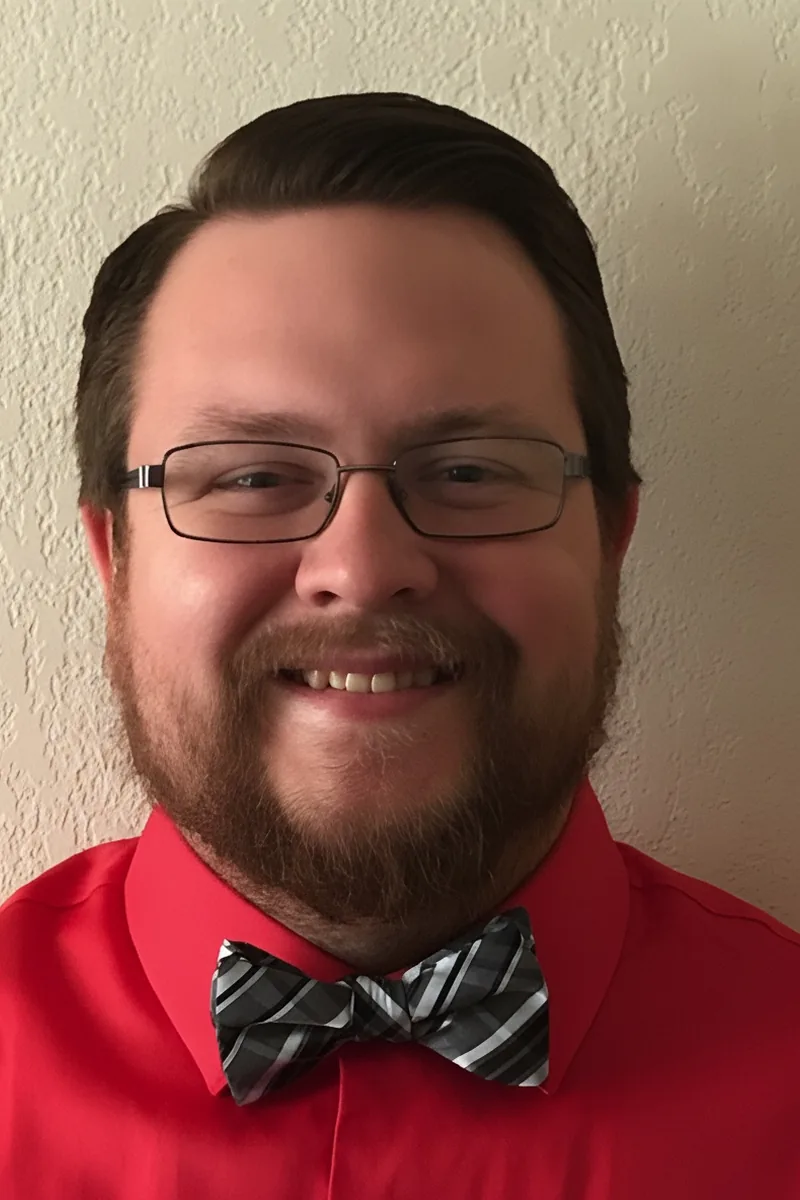
Running a high school Biomedical Science course gave Samuel hands-on experience teaching bacterial culture techniques, cell structure, and pathogen identification — the core of any microbiology curriculum. He connects microbial concepts to forensic science and human anatomy applications, making topics like gram staining and microbial metabolism feel less like memorization and more like detective work.
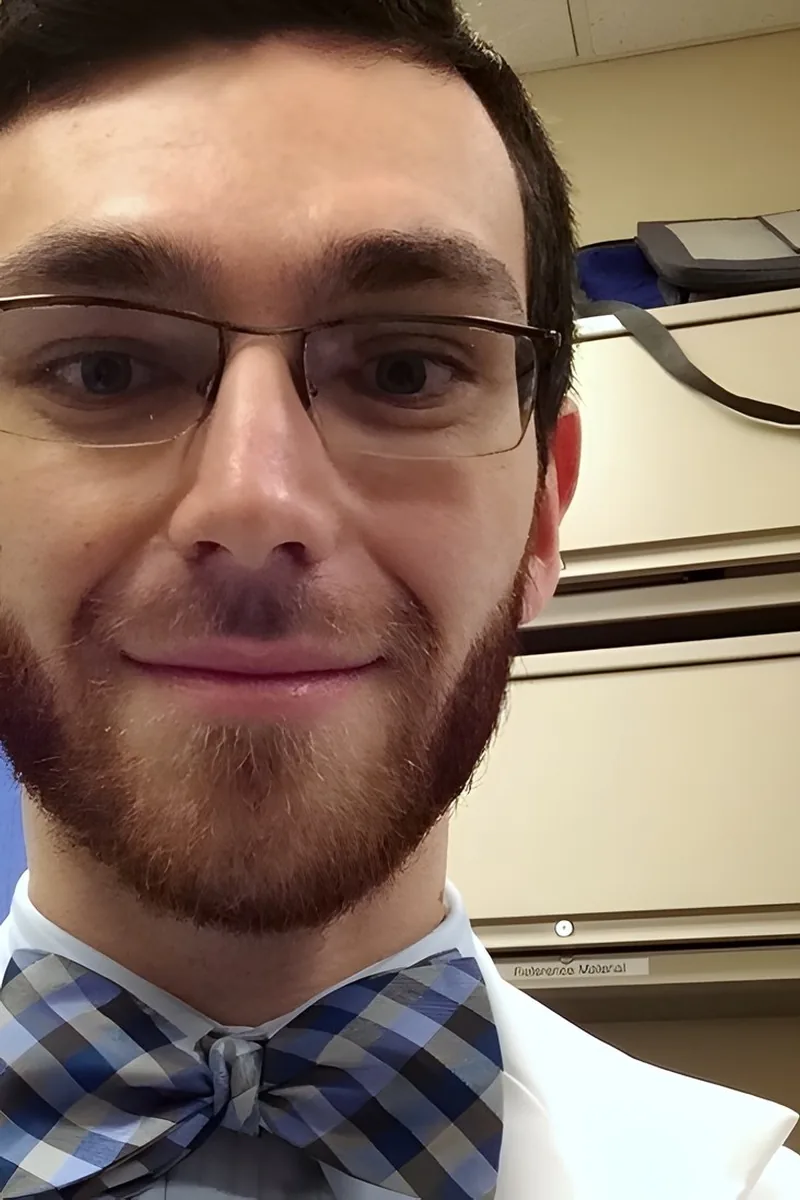
Gram stains, culture techniques, viral replication cycles — Anatoliy digs into microbiology with the clinical lens of someone who earned a Doctor of Medicine degree. He connects bacterial pathogenesis and immune response mechanisms to diagnostic reasoning, which makes the material stick instead of feeling like a wall of organism names to memorize.
As a second-year medical student, Jessica encounters microbiology where it matters most — understanding which pathogens cause specific infections, how antimicrobial agents target bacterial structures, and why certain organisms evade the immune system. Her additional background in pharmacology and chemistry means she can trace concepts like drug resistance mechanisms and pathogen virulence all the way down to the molecular interactions driving them.
Bacterial classification, viral replication cycles, antimicrobial resistance — Laura encounters these topics in her medical coursework at UMKC and brings that clinical lens to microbiology tutoring. She connects textbook pathogens to real disease presentations, which makes memorizing Gram stain categories and virulence factors far more sticky.
Keeping bacterial classification, metabolic pathways, and virulence factors straight requires more than flashcards — it requires a framework. Rachel approaches microbiology by organizing organisms around how they survive: their energy sources, their structural defenses, and how they interact with host immune responses. That structure turns a sprawling subject into something students can actually reason through on exams.
Between bacterial classification, metabolic pathways, and the dizzying variety of microbial genetics, microbiology courses throw an enormous amount of detail at students in a short time. Megan breaks the material into logical frameworks — grouping organisms by structure and function rather than isolated facts — so that topics like gram staining, virulence factors, and antibiotic resistance connect to a bigger picture.
Studying cancer biology at the University of Chicago means Jessica spends time with microbial mechanisms at the cellular and molecular level — bacterial gene regulation, pathogenesis, and immune evasion strategies. She unpacks these dense topics by tying them to specific experimental techniques students encounter in their own coursework.
Bacterial genetics, microbial metabolism, and pathogenesis mechanisms can feel like an overwhelming amount of detail to absorb at once. Akarsh earned both his bachelor's and master's degrees in cellular and molecular biology, so he unpacks microbiology at the molecular level — connecting gene regulation to virulence factors and metabolic pathways in ways that make the material stick.
Before starting her doctoral work at Princeton, Edna spent time in an immunology and genetics laboratory where microbial behavior wasn't theoretical — it was daily benchwork. She digs into bacterial structure, viral replication cycles, and host-pathogen interactions with the kind of detail that comes from having actually cultured organisms and interpreted experimental results. Her Columbia public health training adds an epidemiological lens that connects micro-scale biology to real-world disease patterns.
Bacterial morphology, Gram staining techniques, viral replication cycles — microbiology throws a lot of vocabulary at students before asking them to think critically about pathogenesis and immune response. Ade's biology degree gives him the foundation to break down these interconnected systems and show how individual microorganisms actually behave in clinical and environmental contexts.
Jean's medical training at Harvard Medical School gave her deep familiarity with the microbiology that matters most: bacterial pathogenesis, viral replication cycles, immune evasion strategies, and antimicrobial resistance. She breaks down complex host-pathogen interactions by tying them to clinical scenarios, which makes the material stick far better than rote memorization of genus and species lists.
Medical school gave Amanda a front-row seat to microbiology that matters — bacterial pathogenesis, viral replication cycles, immune evasion strategies, and antimicrobial resistance. She teaches microbiology by organizing organisms around the mechanisms that make them dangerous or clinically important, which turns a subject that can feel like pure memorization into a set of logical patterns. Students preparing for exams or applying to health professions get a tutor who knows exactly how this material shows up later.
Between her Columbia nutrition degree and her PA training at Rutgers, Victoria has spent years studying bacterial metabolism, host-pathogen interactions, and immune responses at the cellular level. She unpacks microbiology concepts like gram staining protocols, virulence factors, and microbial genetics by tying them to clinical scenarios that make the material stick.
Garrett's biology degree paired with his coursework in physiology and anatomy means he understands microorganisms in the context of the systems they infect — not as isolated names on a flashcard. He walks through topics like microbial cell structure, pathogen life cycles, and immune evasion strategies by anchoring each organism to the tissue-level damage it actually causes, which turns a massive taxonomy into something students can reason through.
Before pursuing her graduate degree, Kelsey taught microbiology at a community college, designing her own review materials and walking students through bacterial metabolism, microbial genetics, and lab techniques like Gram staining and culture analysis. That classroom experience means she knows which concepts trip students up — and how to explain them differently the second time around. Rated 4.9 by students.
A Harvard-trained biologist with classroom teaching experience, Elizabeth digs into microbial structure, metabolism, and pathogenesis with genuine enthusiasm for the subject. She's particularly strong at connecting micro-level processes — bacterial gene regulation, viral replication cycles — to the bigger biological picture. Her science teaching background means she can unpack dense material without losing the thread.
Between her biology degree and her public health graduate work at UT, Anna has spent years immersed in the microbial world — from bacterial cell structure and Gram staining to viral replication cycles and host-pathogen interactions. She unpacks dense microbiology material by tying pathogens and immune responses to real epidemiological case studies.
I'm a current medical student at VCU School of Medicine, and a graduate of Johns Hopkins University. I received my Bachelor of Science in Molecular and Cellular Biology. I've had the pleasure of tutoring a diverse range of students for 5 years; while I tutor a broad set of subjects, I'm most passionate about biology, psychology, and chemistry. I'm a big proponent of ensuring understanding over memorization and teaching concepts that last for years to come (particularly for other students interested in medicine!) In my free time, I love to write poetry, edit essays, and gush about game writing with friends.
Testimonials
Because the right Microbiology tutor makes all the difference.
Average Session Rating – Based on 3.4M Learner Ratings
Nearby Microbiology Tutors
Other Kansas City Tutors
Related Science Tutors in Kansas City
Frequently Asked Questions
Microbiology courses usually cover cell structure and function, bacterial and viral characteristics, microbial genetics, metabolism, growth and control of microorganisms, and host-pathogen interactions. Students also learn laboratory techniques like culturing, staining, and microscopy. Many courses include hands-on experiments that connect theoretical concepts to real-world applications in medicine, food safety, and environmental science.
Yes. Tutors can help you understand the purpose behind lab techniques, interpret experimental results, and connect lab observations to course concepts. Whether you're learning proper aseptic technique, analyzing culture plates, or troubleshooting why an experiment didn't work as expected, personalized instruction helps you develop both technical skills and scientific reasoning.
Understanding Microbiology means seeing how concepts connect—like how bacterial structure relates to antibiotic resistance, or how immune responses target specific microbial features. Tutors help you build these connections by asking guiding questions, working through real-world case studies, and explaining the 'why' behind processes rather than just the 'what.' This approach makes the material stick longer and helps you apply knowledge to new situations.
Students often struggle with visualizing microscopic structures and processes they can't see with the naked eye, balancing chemical equations for metabolic pathways, and distinguishing between similar organisms or mechanisms. Another common challenge is connecting isolated topics—like understanding how environmental conditions affect microbial growth, or how different control methods work against specific pathogens. Personalized tutoring helps you build mental models and see these connections clearly.
Your first session is about understanding your goals and identifying where you need support—whether that's preparing for an exam, mastering difficult concepts, improving lab performance, or building overall confidence in the subject. The tutor will assess your current understanding, learn your learning style, and create a personalized plan. This foundation helps tutors tailor future sessions to address your specific needs.
Varsity Tutors connects you with tutors who have strong backgrounds in Microbiology and understand the curriculum taught in Kansas City schools. When you describe your needs—whether you're in a college-level course, AP Biology with microbiology focus, or a specialized microbiology class—you'll get matched with someone qualified to help. Tutors work with you on your schedule and at your pace.
Tutors help you identify weak areas, practice with exam-style questions, and develop strategies for tackling different question types. For AP Biology, this includes mastering the microbiology content covered on the exam while building strong scientific reasoning skills. Regular practice, feedback, and targeted review of challenging topics significantly improve both understanding and test performance.
Absolutely. Beyond content knowledge, tutors help you think like a scientist—asking questions, forming hypotheses, designing experiments to test ideas, and interpreting data critically. These skills are essential in Microbiology labs and transfer to other science courses. Working through experimental design and troubleshooting with a tutor strengthens both your technical abilities and your confidence in the scientific process.
Let’s find your perfect tutor
Answer a few quick questions. We’ll recommend the right plan and match you with a top 5% tutor.